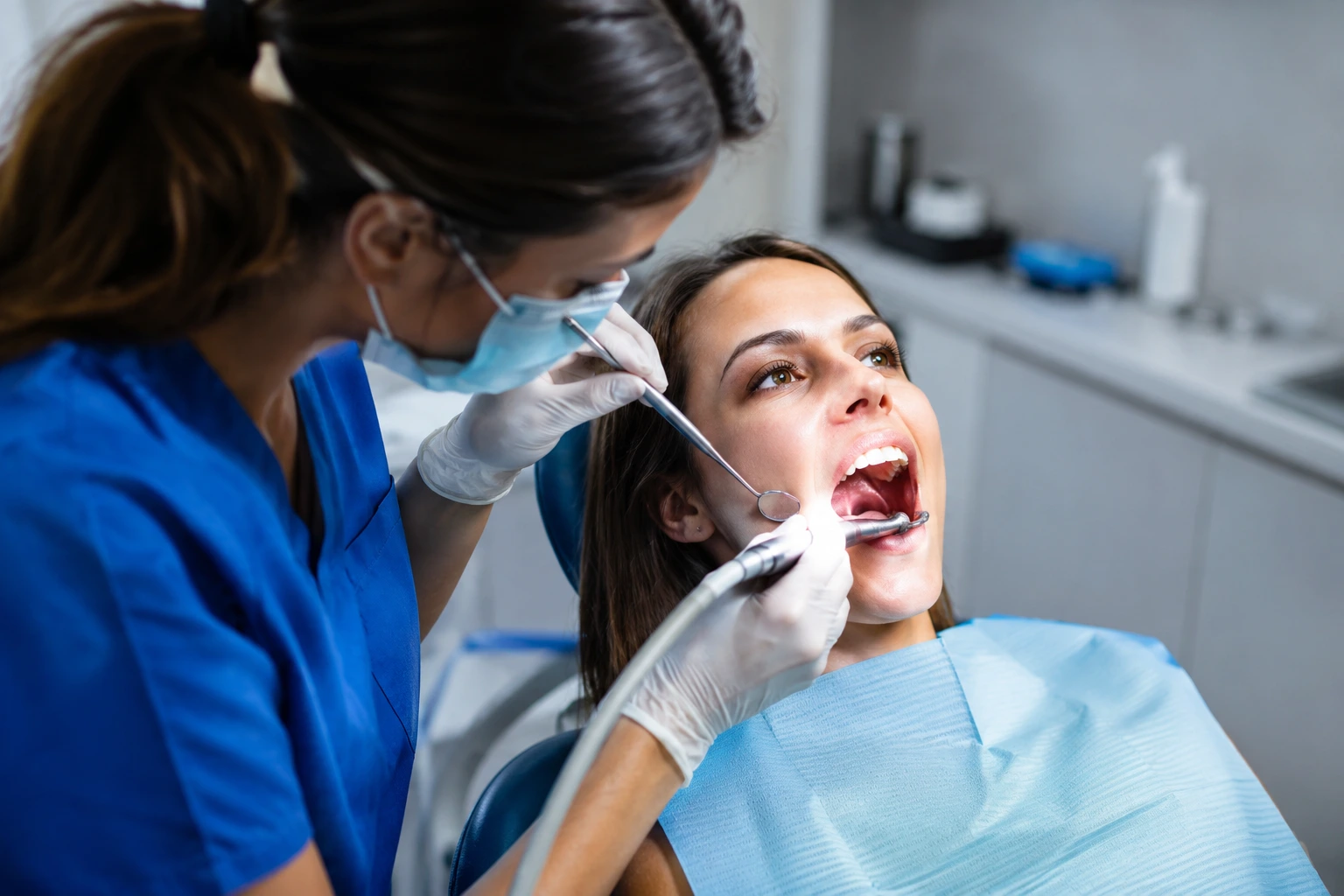
Your gums bleed when you brush, your breath feels off no matter how much you floss, and you’re worried about losing teeth you’ve kept your whole life – a deep cleaning dental procedure might be exactly what your mouth needs to turn things around.
Understanding deep cleaning dental procedure
Deep cleaning, medically known as scaling and root planing, operates on a different level than your routine six-month checkup. While a standard cleaning removes surface plaque and tartar above the gum line, deep cleaning targets the hidden territory beneath your gums where bacteria colonize and cause real damage. Imagine your tooth as having two zones: the visible crown and the root system anchored below. When gum disease takes hold, bacteria burrow into pockets that form between your tooth and gum tissue. A deep cleaning procedure systematically removes this buildup from those deep pockets, then smooths the root surface so bacteria have fewer places to reattach. For seniors especially, this procedure becomes critical because years of plaque accumulation combined with natural gum recession create the perfect environment for serious periodontal disease. Your dentist uses specialized instruments to carefully scale away calcified deposits, then planes the root surface smooth. This two-part approach addresses both the infection and the structural damage, giving your gums a genuine chance to reattach and heal.
- Deep cleaning involves thorough cleaning of teeth, gums, and roots to eliminate bacteria and calculus.
- It helps prevent and treat gum disease by addressing infection and inflammation in the gums.
- The procedure may require local anesthesia to ensure comfort and effectiveness.
- Regular deep cleaning can significantly reduce the risk of tooth loss and other serious dental issues.
What to expect during a deep cleaning
Walking into your deep cleaning appointment, you should expect the process to unfold over one or more visits depending on how extensive your condition is. Your dental hygienist or dentist will begin by applying a local anesthetic to numb the treatment area, ensuring you feel pressure and vibration but no pain. They’ll then use an ultrasonic scaler that emits vibrations to break apart stubborn tartar deposits, followed by hand instruments for precision work in tight pockets around each tooth. You might hear a humming sound and feel water spray as they irrigate the area. The scaling phase typically takes 30 to 60 minutes per quadrant of your mouth. After scaling comes root planing, where they smooth the root surfaces using specialized curettes. This step is crucial because a roughened root surface acts like velcro for bacteria. Throughout the procedure, your hygienist will rinse frequently and may apply antimicrobial solutions. Many seniors find the experience manageable with anesthesia, though some sensitivity afterward is normal. The entire process requires patience and cooperation, but most patients report feeling relief knowing their teeth are finally getting the deep clean they desperately needed.
📘 Fix your day in under 2 minuteschoose where to begin:
Benefits of deep cleaning for seniors
For seniors, deep cleaning represents a genuine turning point in oral health management. As we age, our gums naturally recede and our immune response weakens, making us far more vulnerable to periodontal disease and the cascade of problems it triggers. Untreated gum disease doesn’t just threaten your teeth; research consistently links it to heart disease, stroke, and diabetes complications. Deep cleaning interrupts this dangerous progression by removing the bacterial infection at its source. Many seniors report that within weeks of treatment, their gums stop bleeding, their breath improves noticeably, and they regain confidence in their smile. Beyond the immediate comfort improvements, deep cleaning preserves your remaining natural teeth, which is invaluable for maintaining proper nutrition, clear speech, and facial structure. Seniors who undergo deep cleaning and maintain good home care often avoid tooth extraction and the expense and adjustment of dentures or implants. The procedure also reduces inflammation throughout your body, potentially lowering systemic health risks. For those in their 60s, 70s, and beyond, deep cleaning isn’t just a dental procedure; it’s an investment in independence, quality of life, and longevity.
Post-deep cleaning care tips
The days and weeks following your deep cleaning are critical for success, and your dentist will provide specific instructions tailored to your situation. Expect some sensitivity and mild discomfort for a few days; over-the-counter pain relievers and sensitivity toothpaste help manage this. Avoid hard, crunchy, or sticky foods for at least a week, and skip hot beverages for the first 24 hours. Your gums may bleed slightly when you brush initially, but this typically resolves within a week as healing progresses. Establish a meticulous oral hygiene routine: brush twice daily with a soft-bristled toothbrush using gentle circular motions, and floss daily without fail. Many dentists recommend antimicrobial mouthwash for several weeks post-procedure to control bacterial regrowth. Attend all follow-up appointments, which usually occur 4 to 6 weeks after treatment to assess healing. Some seniors benefit from electric toothbrushes, which provide consistent pressure without the risk of aggressive brushing. Avoid smoking and limit alcohol, both of which impair healing. Schedule regular maintenance cleanings every 3 to 4 months rather than the standard 6-month interval, as your gums require more frequent professional support. Think of post-care as the foundation that determines whether deep cleaning delivers lasting results or becomes a temporary fix.
Is deep cleaning right for you
Not every senior needs deep cleaning, but certain warning signs indicate it’s time to discuss this option with your dentist. Bleeding gums during brushing or flossing is the most common red flag, signaling that infection and inflammation are present below the gum line. Persistent bad breath that doesn’t improve with brushing, visible gum recession where teeth appear longer than they used to, or pockets of space developing between teeth and gums all suggest periodontal disease requiring intervention. Some seniors discover they need deep cleaning only after a routine exam reveals bone loss on X-rays, a sign of advanced disease. Your dentist may perform a periodontal evaluation, measuring pocket depths with a small probe to determine if pockets exceed 3 millimeters, which indicates disease. If you have diabetes, take certain medications that dry your mouth, or have a family history of gum disease, you’re at higher risk and should ask your dentist about preventive deep cleaning. Cost and insurance coverage are practical considerations; many plans cover deep cleaning as a medically necessary procedure rather than cosmetic treatment. Ultimately, the decision should be made collaboratively with your dental team, weighing your symptoms, examination findings, overall health, and treatment goals. Delaying deep cleaning when it’s needed only allows disease to progress, making future treatment more complex and expensive.
Deep cleaning dental procedure, also known as scaling and root planing, is a comprehensive treatment that targets plaque and tartar buildup below the gum line. It is an essential step in preventing gum disease and maintaining optimal oral health.
Does deep cleaning dental procedure hurt?
While deep cleaning may cause some discomfort, your dentist will usually use local anesthesia to numb the area and ensure a painless experience.
How often should seniors undergo deep cleaning?
Seniors who have signs of gum disease or periodontal issues may need more frequent deep cleanings, typically every 3 to 4 months, to manage their condition effectively.
Others also read:
Disclaimer: This article is for informational purposes only and is not a substitute for professional medical advice. Always consult a healthcare professional for personal guidance.
This guide has been prepared and reviewed by the GlobalHealthBeacon editorial team and reflects current medical research as of 2026. It provides structured, evidence-based information to support informed health decisions.
