Your gums bleed when you brush, your breath feels off, and you’re worried about losing teeth – but a deep cleaning dental procedure might be the reset your mouth actually needs.
Understanding deep cleaning
Deep cleaning, medically known as scaling and root planing, is a targeted intervention that removes stubborn plaque and tartar deposits from areas your regular toothbrush simply cannot reach. Imagine your teeth as having two zones: above the gumline, which you can see and clean daily, and below it, where bacteria and hardened deposits accumulate in pockets between your teeth and gums. Over time, these hidden spaces become breeding grounds for harmful bacteria. A deep cleaning procedure systematically addresses both zones. The dentist uses specialized instruments to carefully extract plaque and tartar from below the gumline, then smooths the root surfaces to discourage future bacterial colonization. For seniors, this procedure is particularly valuable because gum recession naturally occurs with age, exposing more of the tooth root and creating deeper pockets where infection can take hold. Understanding this process helps explain why some dental problems persist despite good daily habits – they require professional intervention to truly resolve.
The role of plaque and tartar
Plaque is a living biofilm, a sticky community of bacteria that forms on your teeth within hours of eating or drinking. Your mouth naturally produces saliva to fight this, but when plaque accumulates faster than you can remove it, inflammation begins. This is why your gums might feel tender or bleed during brushing. When plaque hardens into tartar, also called calculus, the situation escalates. Unlike plaque, tartar cannot be removed by brushing or flossing alone because it bonds chemically to the tooth surface. Think of it as calcified bacterial waste that your immune system cannot penetrate. For seniors, this distinction matters enormously. The longer tartar remains, the more it irritates gum tissue and creates pockets where infection deepens. A deep cleaning dental procedure is the only way to remove this hardened buildup. Once removed, your gums have a genuine chance to heal and reattach to your teeth, potentially reversing early-stage gum disease and preventing the bone loss that leads to tooth loss.
The deep cleaning process
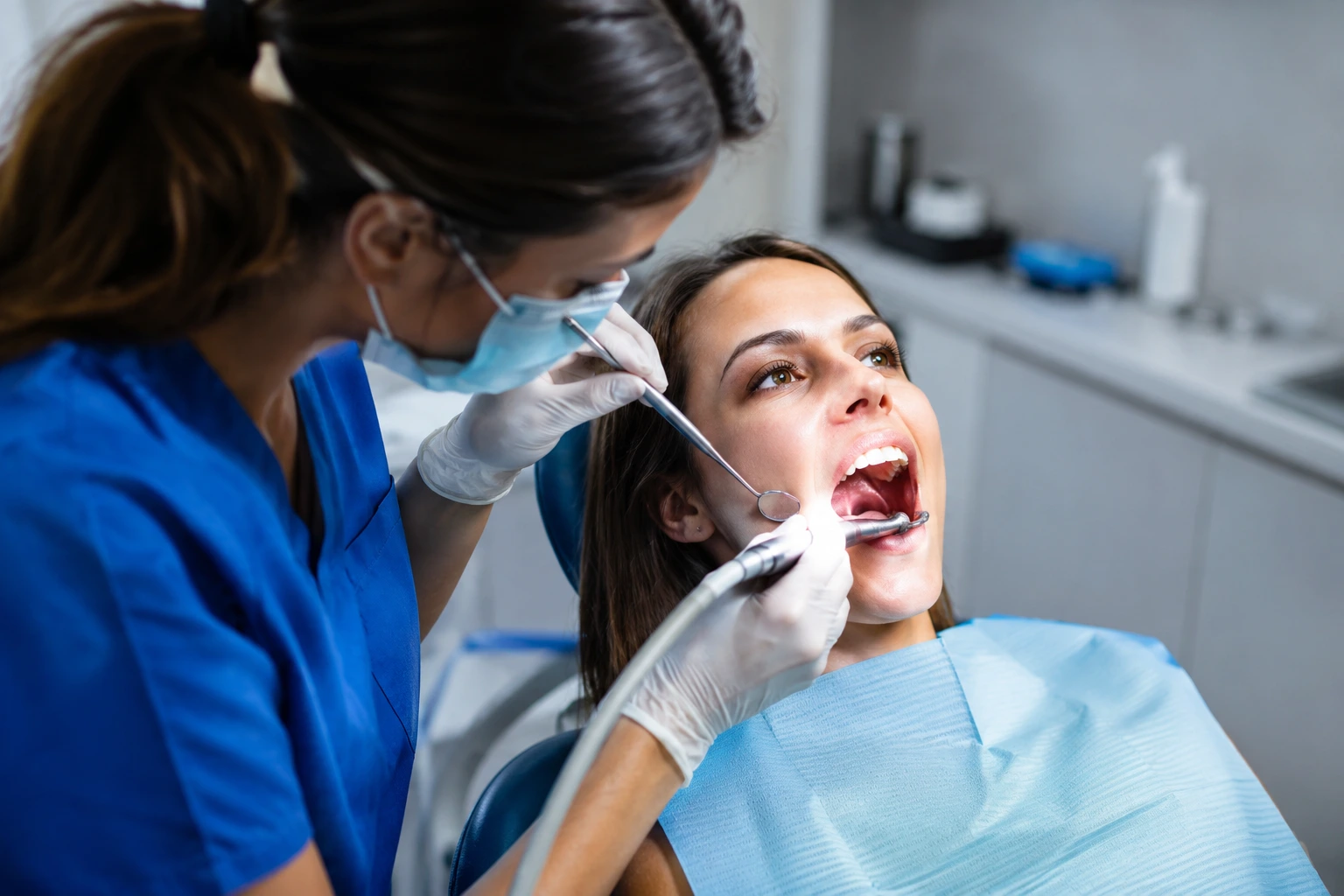
A deep cleaning dental procedure unfolds in three distinct phases, each serving a specific purpose in restoring your oral health. First comes evaluation, where your dentist examines your mouth using visual inspection and possibly X-rays to map the extent of plaque and tartar buildup and measure the depth of any gum pockets. This assessment determines whether deep cleaning is necessary and how many appointments you might need. Second is scaling, the active removal phase. Your dentist uses ultrasonic scalers that vibrate at high frequency to break apart tartar deposits, combined with hand instruments for precision work in sensitive areas. This happens both above and below the gumline, systematically clearing away years of accumulated buildup. You might hear buzzing sounds and feel water spray as the dentist works methodically around each tooth. Third is root planing, where rough spots on the exposed root surface are smoothed down. This is crucial because rough surfaces trap bacteria more easily. By creating a smooth surface, you reduce the likelihood that plaque will reattach quickly. The entire process typically takes one to two hours, depending on severity, and may require multiple visits for comprehensive treatment.
- Evaluation of plaque and tartar buildup using visual inspection and X-rays to assess gum pocket depth.
- Scaling to remove deposits above and below the gumline using ultrasonic and hand instruments.
- Root planing to smooth rough spots on tooth roots and prevent rapid plaque reaccumulation.
🔬 Science-backed benefits in 2 minuteschoose where to begin:
Benefits for seniors
As you age, your mouth changes in ways that make oral health increasingly important. Gum tissue naturally recedes, bone density decreases, and your immune response becomes less efficient at fighting infection. These changes mean that gum disease progresses faster in seniors than in younger adults, and the consequences are more severe. A deep cleaning dental procedure directly addresses this vulnerability by removing the bacterial load that drives gum disease. By eliminating tartar and smoothing root surfaces, deep cleaning allows your gums to heal and reattach to your teeth, potentially reversing early periodontal disease. Beyond your mouth, research consistently shows that untreated gum disease is linked to systemic health issues including heart disease, stroke, and diabetes complications. By maintaining healthy gums through deep cleaning when needed, you’re not just preserving your teeth – you’re supporting your overall health. Seniors who stay on top of preventive dental care report better nutrition, improved confidence in social situations, and fewer health complications related to oral infection.
Post-procedure care
The deep cleaning dental procedure itself is just the beginning. What you do in the days and weeks afterward determines whether your gums truly heal or whether the problem returns. Immediately after treatment, your teeth may feel sensitive to temperature and pressure because the root surfaces are newly exposed. This typically subsides within a few days to a week. Your dentist will provide specific aftercare instructions, which usually include avoiding hard or sticky foods for a few days and being gentle when brushing near treated areas. The real work happens in your daily routine. Brushing twice daily with a soft-bristled toothbrush and fluoride toothpaste becomes non-negotiable. Flossing daily is equally critical because it removes plaque from spaces between teeth where your brush cannot reach. Many seniors find that electric toothbrushes and water flossers make these tasks easier if arthritis or dexterity issues are a concern. Regular dental check-ups, typically every three to four months initially, allow your dentist to monitor healing and catch any problems early. Think of post-procedure care as the foundation that makes your deep cleaning investment worthwhile.
Long-term impact
The decision to pursue a deep cleaning dental procedure represents an investment in your future health and quality of life. Seniors who complete deep cleaning and maintain consistent oral hygiene see measurable improvements: gum bleeding stops, pockets shrink, and the progression of gum disease halts or reverses. Over months and years, this translates to keeping your natural teeth longer, avoiding the expense and adjustment of dentures or implants, and maintaining the ability to eat a varied, nutritious diet. Beyond the mouth, the systemic benefits accumulate. By reducing chronic oral infection, you lower inflammation throughout your body, which has been linked to better cardiovascular health and improved diabetes management. Many seniors report that maintaining their natural teeth boosts confidence and social engagement, allowing them to smile freely and enjoy meals with family without worry. The long-term impact of consistent preventive care, anchored by deep cleaning when needed, extends far beyond dentistry. It supports independence, nutrition, social connection, and overall well-being during your most valued years.
Deep cleaning dental procedures involve the meticulous removal of plaque and tartar to prevent gum disease and maintain oral health. For seniors, these procedures are crucial in preventing tooth loss and reducing the risk of systemic health issues linked to periodontal disease.
Is deep cleaning necessary for everyone?
Deep cleaning is recommended for individuals with significant plaque and tartar buildup, especially those prone to gum disease. Your dentist will assess whether you would benefit from this procedure.
Are there any risks associated with deep cleaning?
While deep cleaning is generally safe, some individuals may experience temporary tooth sensitivity or mild discomfort. It is important to follow post-procedure care instructions provided by your dentist.
Others also read:
Disclaimer: This article is for informational purposes only and is not a substitute for professional medical advice. Always consult a healthcare professional for personal guidance.
This article has been prepared and reviewed by the GlobalHealthBeacon editorial team and is based on current medical research and published scientific literature available in 2026. It provides structured, evidence-based information to support informed health decisions.
