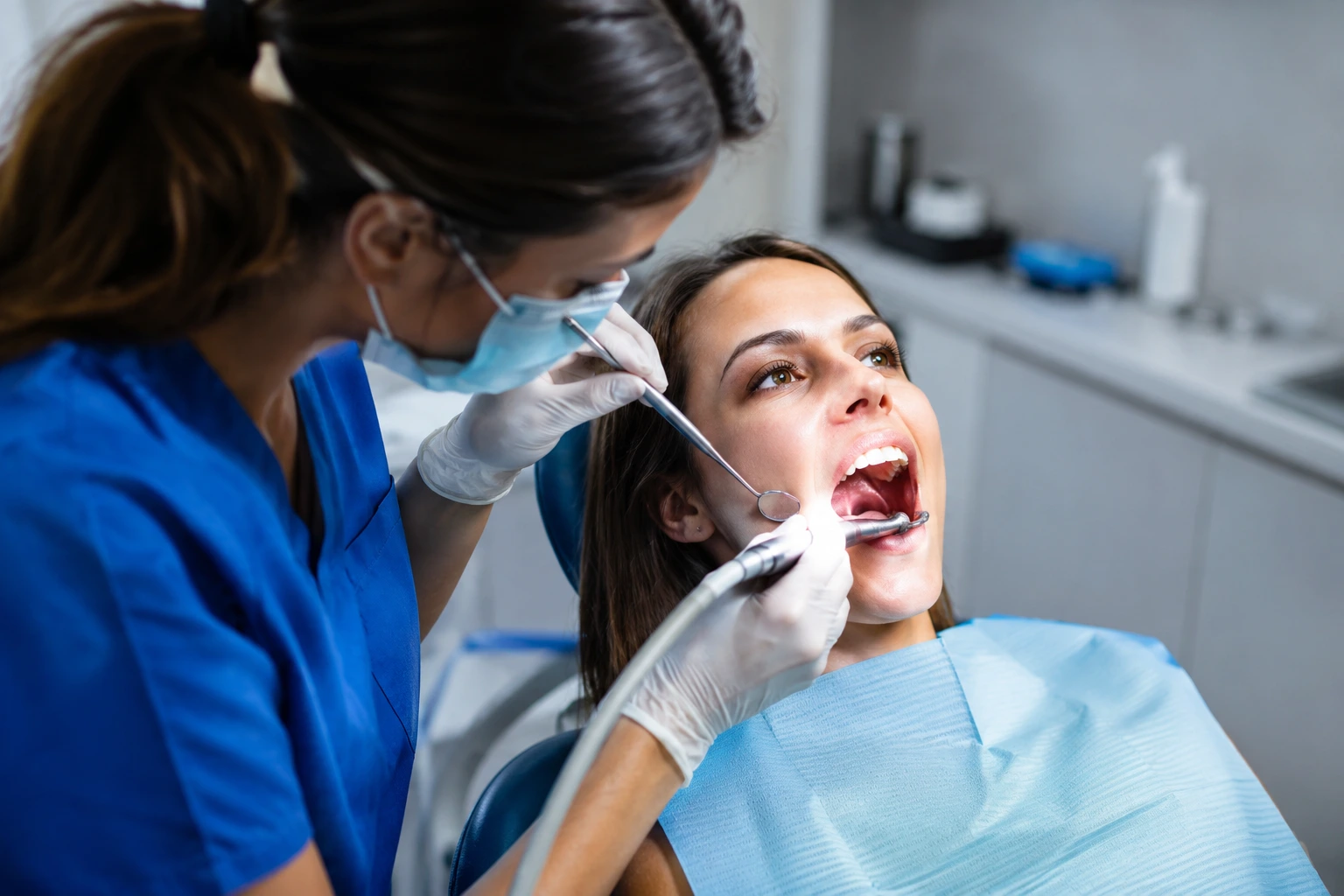
Your teeth feel fuzzy even right after brushing, your breath never seems fresh no matter what you do, and you catch yourself avoiding smiling in photos because something just feels off—that stubborn plaque hiding below your gumline is exactly what a deep cleaning dental procedure is designed to tackle.
Understanding deep cleaning: what to expect
Deep cleaning, technically called scaling and root planing, sounds intimidating until you understand what’s actually happening. Imagine your teeth as buildings with foundations, and over time, dirt accumulates not just on the surface but deep in the cracks around the base. That’s plaque and tartar buildup below your gumline, and regular brushing simply cannot reach it. During the procedure, your dentist or hygienist uses specialized ultrasonic tools and hand instruments to gently but thoroughly remove this hidden buildup from below the gumline and along the root surfaces. Think of it like a deep cleaning of your home versus a quick vacuum. The process takes time, usually split across multiple appointments, and targets those deep pockets around your teeth where gum disease loves to hide. For many seniors, understanding this step-by-step process transforms anxiety into confidence.
- Thorough removal of plaque and tartar
- Deep cleaning below the gumline
- Gentle cleaning of root surfaces
- Promotion of gum health
- Protection against future oral issues
Benefits of deep cleaning for seniors
Picture this: Margaret, a 68-year-old grandmother, avoided eating corn on the cob and crunchy vegetables because her gums felt tender and her teeth seemed loose. After her deep cleaning procedure, she noticed changes within weeks. Her breath felt fresher, her gums stopped bleeding when she flossed, and she could actually enjoy her favorite foods again without discomfort. For seniors like Margaret, deep cleaning offers real, tangible improvements. Beyond the obvious benefits of fresher breath and a brighter smile, this procedure reduces your risk of gum disease progressing into something more serious. Healthier gums mean better stability for your teeth, which directly impacts your ability to eat nutritious foods, speak clearly, and feel confident. Many seniors report improved overall well-being after deep cleaning, partly because oral health is deeply connected to your general health and quality of life.
💬 Ready to feel better in 2 minutes?choose where to begin:
Preparing for your deep cleaning appointment
Before your appointment, have an honest conversation with your dentist about any concerns. Are you nervous about discomfort? Do you have sensitive teeth? Do you take blood thinners or have other health conditions? These details matter. Your dentist may recommend taking over-the-counter pain relief before the appointment or adjusting medications. In the weeks leading up to your deep cleaning, focus on your daily oral hygiene routine. Brush gently twice daily, floss daily, and rinse with an antimicrobial mouthwash if recommended. This preparation reduces inflammation and helps your gums respond better to the procedure. Some dentists suggest avoiding hard or sticky foods a few days before, and staying well-hydrated helps too. Think of this preparation phase as laying groundwork for success, similar to preparing your garden before planting seeds.
Aftercare tips for a healthy smile
The days and weeks after your deep cleaning are crucial. Your gums have been worked on and need gentle care to heal properly. Your dental team will give you specific instructions, but here’s what most seniors experience: you might notice slight sensitivity or mild discomfort for a few days, which is completely normal. Avoid hard, crunchy, sticky, or very hot foods for at least a week. Stick to soft foods like yogurt, soup, scrambled eggs, and mashed vegetables. Use the prescribed antimicrobial mouthwash as directed, usually twice daily, to support healing and prevent infection. Continue gentle brushing and flossing, but be extra careful around treated areas. Schedule your follow-up appointment as recommended, typically four to six weeks later, so your dentist can assess healing and determine if additional sessions are needed. Regular dental check-ups every three to six months help maintain the benefits long-term.
Deep cleaning dental procedures, also known as scaling and root planing, are crucial for seniors to maintain optimal oral health and prevent gum disease. Understanding the procedure, its benefits, and proper aftercare can lead to healthier gums, fresher breath, and a brighter smile in the long run.
Is deep cleaning painful for seniors?
While some discomfort may be experienced during deep cleaning, most seniors find the procedure tolerable with the use of local anesthesia to numb the gums. Your dental team will ensure your comfort throughout the process.
How often should seniors undergo deep cleaning?
The frequency of deep cleaning sessions for seniors depends on individual oral health needs. Your dentist will recommend the appropriate schedule based on the condition of your gums and teeth.
Others also read:
Disclaimer: This article is for informational purposes only and is not a substitute for professional medical advice. Always consult a healthcare professional for personal guidance.
This article presents an experience-based perspective and has been reviewed by the GlobalHealthBeacon editorial team in 2026. It provides structured, evidence-based information to support informed health decisions.
