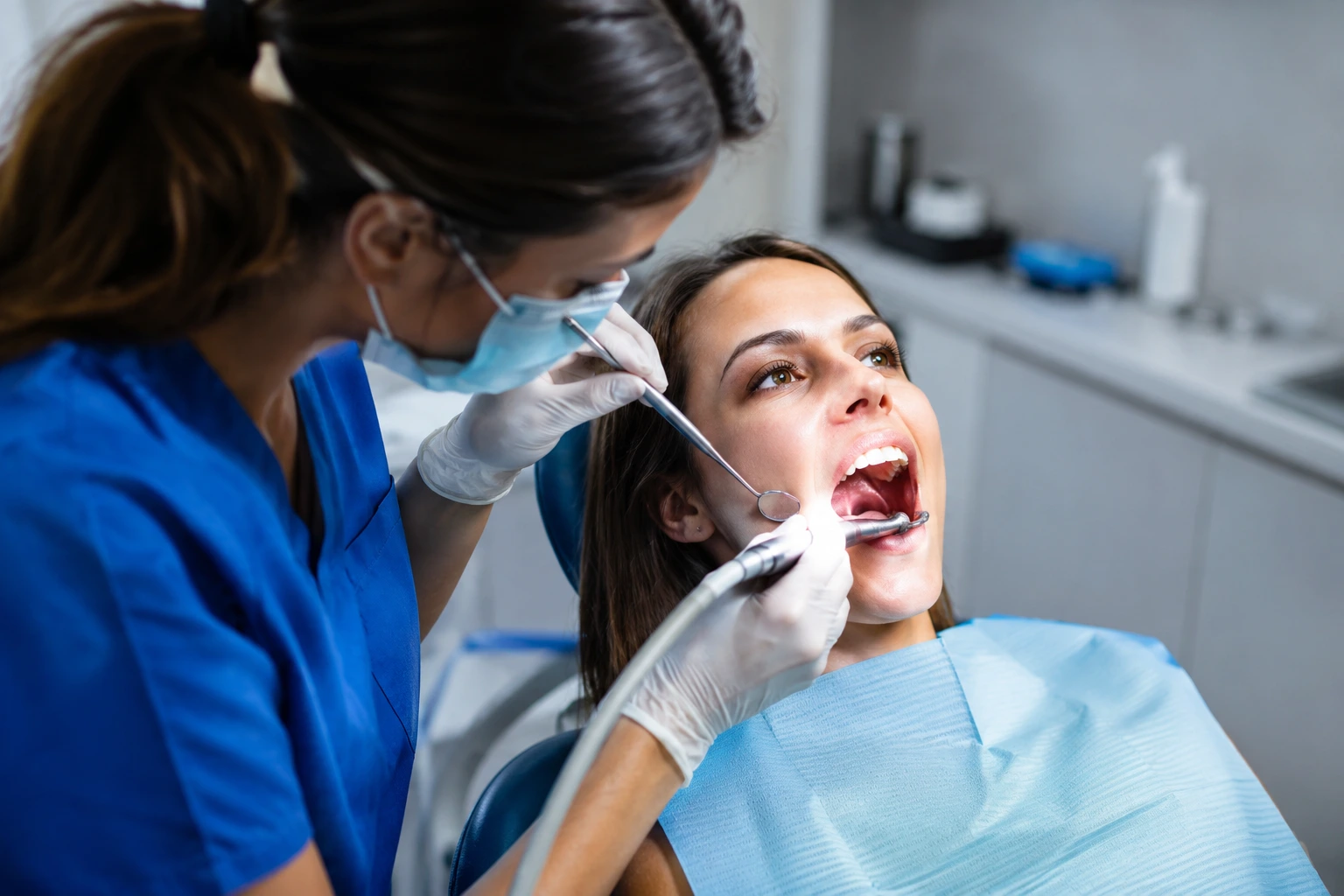
Your gums bleed when you brush, your breath feels off no matter how much you floss, and your dentist keeps mentioning gum disease – a deep cleaning dental procedure might be exactly what you need to stop the damage before it gets worse.
Understanding deep cleaning
Deep cleaning, also known as scaling and root planing, is a comprehensive dental procedure that goes beyond what a standard cleaning can accomplish. While regular cleanings address the visible surfaces of your teeth, deep cleaning targets the hidden spaces below your gum line where bacteria and calculus accumulate over time. Imagine your gum line as a protective border – when plaque hardens into tartar, it pushes below that border and begins to damage the supporting structures of your teeth. This meticulous two-part process aims to halt the progression of gum disease and prevent tooth loss. For seniors, this procedure becomes increasingly important because gum disease progresses more rapidly with age and can lead to serious complications if left untreated. Your dentist will explain that this is a non-surgical intervention designed to give your mouth a fresh start by removing years of buildup that brushing alone cannot reach.
- Effective removal of plaque and tartar buildup
- Non-surgical treatment for gum disease
- Promotes healthier gums and prevents tooth loss
Preparing for the procedure
Before your deep cleaning appointment, your dentist will conduct a thorough examination of your teeth and gums to evaluate the severity of gum disease and determine if you are a good candidate for the procedure. X-rays will likely be taken to assess any bone loss that may have occurred beneath the gum line. This assessment is crucial because it helps your dentist understand the extent of the problem and plan the most effective treatment approach. You should inform your dentist about any existing medical conditions, medications you are taking, or allergies you have – this is especially important for seniors who may be on blood thinners or have conditions that affect healing. If you take aspirin or other anticoagulants, your dentist needs to know this in advance. Some patients find it helpful to schedule the appointment when they are not rushed, allowing time to discuss concerns and ask questions. Your dentist may also recommend avoiding certain foods or activities before the procedure, so listen carefully to these pre-appointment instructions.
📘 Fix your day in under 2 minuteschoose where to begin:
During the deep cleaning
The deep cleaning procedure itself involves two main steps that work together to restore your oral health. First, scaling removes plaque and tartar from the tooth surfaces and below the gum line using specialized instruments that gently break away the hardened buildup. You may hear scraping sounds or feel vibrations, but this is normal. Second, root planing smooths the roots of your teeth to promote gum reattachment and prevent future bacterial colonization. Local anesthesia is typically administered before the procedure begins, ensuring your comfort throughout the process. The entire appointment usually takes between one to two hours, depending on how much buildup needs to be removed and how many teeth require treatment. Some dentists complete the procedure in one visit, while others prefer to do it in two sessions to allow your gums time to begin healing. You might experience some pressure or mild sensations, but pain should not be part of the experience thanks to the anesthesia. Your dentist will check in with you during the procedure to ensure you remain comfortable.
Aftercare and recovery
Following the deep cleaning, you may experience mild discomfort, sensitivity to temperature, and slight swelling of your gums for a few days – this is completely normal and typically subsides within a week. Your dentist may recommend using a special antimicrobial mouthwash or prescribe antibiotics to prevent infection and support healing. Pain management is usually straightforward, with over-the-counter pain relievers being sufficient for most people, though your dentist can recommend specific options based on your medications. It is crucial to maintain excellent oral hygiene practices during recovery, including gentle brushing with a soft-bristled toothbrush and careful flossing around treated areas. Avoid hot foods and beverages for the first few days, as they can irritate your healing gums. Many seniors find that rinsing with warm salt water several times daily helps soothe discomfort and promotes healing. You should also avoid smoking and alcohol during the recovery period, as both can interfere with your body’s healing process. Most people return to normal eating and activities within a few days, though complete healing takes several weeks.
Monitoring your oral health
After undergoing deep cleaning, it is essential to schedule regular follow-up appointments with your dentist to monitor your oral health and ensure the procedure was successful. Your dentist will assess how well your gums have healed and whether the treatment has stopped the progression of gum disease. Periodontal maintenance cleanings, typically scheduled every three to four months instead of the standard six months, may be recommended to prevent the recurrence of gum disease and maintain the health of your gums and teeth. These follow-up visits are not optional extras – they are a critical part of protecting your investment in the deep cleaning procedure. During these appointments, your dentist will measure your gum pockets to confirm they are shrinking and becoming healthier. At home, you will need to commit to consistent oral hygiene habits, including brushing twice daily, flossing daily, and using the antimicrobial mouthwash if recommended. Many seniors find that establishing a routine and setting phone reminders helps them stay on track with their oral care. Your dentist may also discuss lifestyle factors like diet and stress management, as these can impact gum health.
Deep cleaning, or scaling and root planing, is a comprehensive procedure that effectively removes plaque and tartar buildup, promotes healthier gums, and prevents tooth loss. Preparing for the procedure, understanding the process, following aftercare recommendations, and monitoring oral health are vital steps for seniors undergoing deep cleaning treatments.
Is deep cleaning painful?
Deep cleaning may cause mild discomfort, but local anesthesia is usually administered to ensure your comfort during the procedure. Your dentist will also provide aftercare recommendations to manage any post-treatment discomfort.
How often should I undergo deep cleaning?
The frequency of deep cleaning treatments is determined by your dentist based on the severity of gum disease and your overall oral health. Regular dental check-ups will help monitor your gum health and determine when deep cleaning is necessary.
Others also read:
Disclaimer: This article is for informational purposes only and is not a substitute for professional medical advice. Always consult a healthcare professional for personal guidance.
This guide has been prepared and reviewed by the GlobalHealthBeacon editorial team and reflects current medical research as of 2026. It provides structured, evidence-based information to support informed health decisions.
