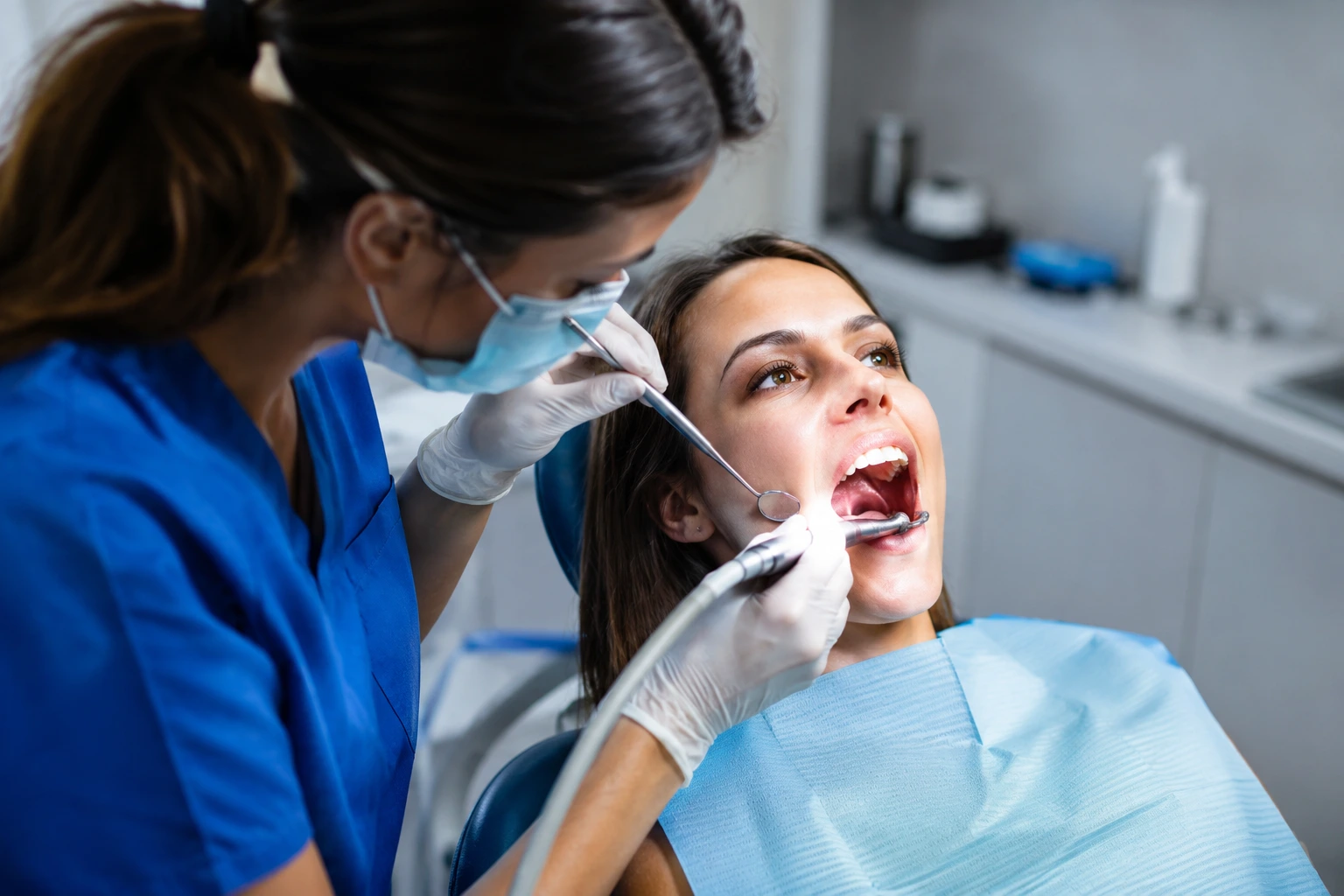
Your gums bleed when you floss, your breath never feels fresh no matter how much you brush, and you can feel that stubborn buildup no amount of mouthwash touches – so you finally book a deep cleaning dental procedure, terrified but desperate for relief.
What is deep cleaning and why do women choose it?
Deep cleaning, also known as scaling and root planing, is a comprehensive dental procedure that goes way beyond what your regular six-month cleaning covers. Imagine your teeth as having two zones: the visible crown that everyone sees, and the root surface hidden beneath your gum line where bacteria love to hide and multiply. Women choose this treatment when gum disease starts creeping in, when they notice their gums pulling away from their teeth, or when they realize that brushing and flossing alone just cannot reach those deep pockets where tartar hardens like concrete. Think of it like deep cleaning your house before guests arrive, except your dentist is using specialized tools to remove years of buildup that regular cleanings miss. Many women describe the moment they decide to get deep cleaning as a turning point, when they stop accepting bleeding gums as normal and start taking control of their oral health.
- Combat gum disease and prevent tooth loss
- Remove stubborn plaque and tartar buildup
- Enhance oral health and maintain a fresh smile
The deep cleaning process: a step-by-step guide
When you arrive for your deep cleaning appointment, your dentist first examines your mouth thoroughly, often using special measurements to check how deep your gum pockets have become. Then comes the scaling phase, where they use an ultrasonic scaler or hand instruments to gently but firmly remove plaque and tartar from both above and below your gum line. You might hear buzzing sounds or feel vibrations, and yes, there can be some sensitivity, which is why many dentists apply numbing gel first. After scaling, the dentist moves to root planing, smoothing the root surfaces of your teeth so bacteria cannot reattach as easily. This entire process might take one or two visits depending on how much buildup you have, and your dentist will likely schedule follow-up appointments to monitor your healing and ensure your gums are responding well.
💬 Ready to feel better in 2 minutes?choose where to begin:
Recovery and results: women’s stories of transformation
After deep cleaning, women often experience a noticeable shift within days or weeks. Your gums stop bleeding when you brush, that constant dull ache disappears, and your breath feels genuinely fresh for the first time in years. One woman described it as finally being able to smile without feeling self-conscious, while another mentioned how her partner commented that her breath smelled different in a good way. The recovery period varies, but most women experience mild sensitivity to cold water or sweet foods for a few days, which subsides quickly. Some notice their teeth feel slightly loose initially, which is actually normal as your gums reattach and heal. The confidence boost many women report goes beyond just oral health, touching something deeper about feeling taken care of and in control of their bodies again.
Maintaining oral health post-deep cleaning
Getting deep cleaning is not a one-time fix, and this is where many women realize they need to shift their daily habits. Your role becomes absolutely crucial after the procedure, because your dentist cleaned your teeth, but now you have to keep them clean. This means brushing twice daily with a soft-bristled toothbrush, flossing every single day without skipping, and using an antimicrobial mouthwash if your dentist recommends it. Many women find success by setting phone reminders or linking flossing to an existing habit like their morning coffee routine. Additionally, eating a balanced diet rich in vitamins and minerals supports gum healing, while avoiding tobacco and limiting sugary snacks protects your investment. Regular dental check-ups every three to six months help catch any early signs of gum disease returning before it becomes serious again.
Deep cleaning dental procedures offer women a comprehensive solution to gum disease and plaque buildup, leading to improved oral health and restored confidence in their smiles. By choosing this intensive treatment and maintaining good oral hygiene practices, women can safeguard their smiles for years to come.
Is deep cleaning painful?
While some women may experience slight discomfort or sensitivity during and after the procedure, local anesthesia is often used to minimize any pain. The benefits of deep cleaning in preventing gum disease far outweigh any temporary discomfort.
How often should deep cleaning be done?
The frequency of deep cleaning depends on the individual’s oral health needs. Dentists typically recommend this procedure every 3-6 months for those with gum disease or a history of plaque buildup. Regular dental check-ups can help determine the best schedule for deep cleaning.
Others also read:
Disclaimer: This article is for informational purposes only and is not a substitute for professional medical advice. Always consult a healthcare professional for personal guidance.
This article presents an experience-based perspective and has been reviewed by the GlobalHealthBeacon editorial team in 2026. It provides structured, evidence-based information to support informed health decisions.
