Your gums bleed when you brush, your breath feels off no matter how much you floss, and you can feel that stubborn buildup clinging to your teeth like it’s never going anywhere – that’s when you realize a deep cleaning dental procedure might be exactly what you need to actually fix the problem.
Preventive care: the foundation of a healthy smile
Think of your teeth like a house that needs regular maintenance. Most people brush and floss daily, which is great, but that’s like sweeping the living room. A deep cleaning dental procedure tackles what regular brushing can’t reach. Imagine plaque and tartar as invisible invaders settling below your gumline, slowly triggering inflammation and gum disease. Regular cleanings keep the surface clean, but deep cleaning goes beneath the surface where the real damage happens. Your dentist uses specialized instruments to remove years of buildup from the roots of your teeth and below the gumline. Sarah, a 26-year-old marketing manager, discovered this the hard way when her dentist found early signs of gum disease during a routine checkup. She realized that her twice-daily brushing routine, while solid, wasn’t enough to prevent the deeper issues developing silently in her mouth.
- Prevents gum disease and tooth decay
- Improves overall oral health
- Removes stubborn plaque and tartar
The experience: what to expect during a deep cleaning
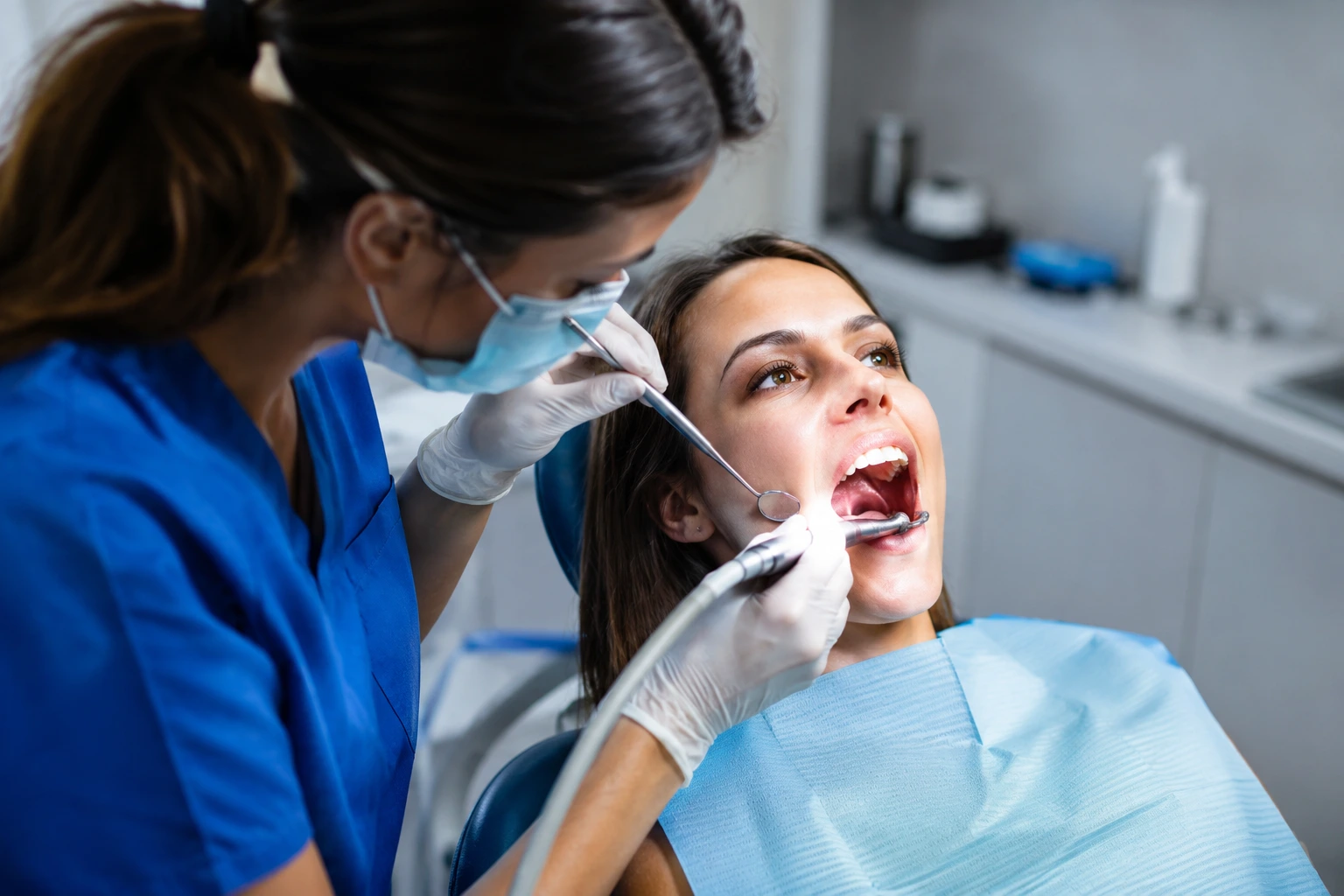
Walking into the dental chair for a deep cleaning feels different from a regular cleaning. Your dentist will numb your gums with a local anesthetic, so you won’t feel sharp pain, but you’ll definitely feel pressure and vibration. The procedure typically takes 30 to 60 minutes per quadrant of your mouth, sometimes split across two appointments. You might hear scraping sounds as instruments remove hardened tartar, feel water spraying to rinse away debris, and experience some sensitivity as the dentist works below the gumline. Jake, a 24-year-old student, described it as intense but manageable: ‘It felt like someone was really getting in there, and my jaw was sore afterward, but knowing it was preventing future problems made it worth it.’ Some people experience mild discomfort for a few days after, especially when eating hot or cold foods. The key is understanding that temporary discomfort is actually a sign the procedure is working and cleaning areas that have been neglected.
💬 Ready to feel better in 2 minutes?choose where to begin:
Aftercare tips: maintaining your oral health post-procedure
After your deep cleaning, your mouth needs care and attention just like after any dental work. For the first 24 hours, avoid hard, crunchy, or sticky foods that could irritate your freshly cleaned gumline. Stick to soft foods like yogurt, smoothies, and soup. Your gums might feel tender or bleed slightly when you brush for a few days, which is completely normal as they heal. Start using a soft-bristled toothbrush and be gentle around the treated areas. Rinse with warm salt water two to three times daily to reduce inflammation and promote healing. Marcus, a 25-year-old who had deep cleaning done six months ago, shares his routine: ‘I switched to an electric toothbrush with a gentle mode, started flossing twice daily instead of skipping it, and set phone reminders for my dentist appointments.’ Most importantly, follow your dentist’s specific aftercare instructions, as everyone’s situation is slightly different. Consistency in your new routine is what transforms the deep cleaning from a one-time procedure into lasting results.
Long-term benefits: investing in your smile for the future
The real payoff from a deep cleaning dental procedure shows up over months and years, not days. Once your gums have healed and you’ve committed to better oral hygiene, you’ll notice your gums stop bleeding, your breath improves, and that persistent sensitivity fades. Your teeth feel smoother and look brighter because the staining tartar is gone. Beyond aesthetics, you’re actually preventing serious health issues. Untreated gum disease can lead to tooth loss, bone deterioration, and research even links it to heart disease and diabetes complications. Emma, a 27-year-old professional, realized the bigger picture after her deep cleaning: ‘I wasn’t just fixing my teeth, I was investing in my health for the next 30 years.’ Most young adults who stick with their aftercare and maintenance appointments find they need deep cleaning less frequently or not at all. The procedure becomes a turning point where you stop reacting to dental problems and start preventing them. That shift in mindset, combined with consistent habits, gives you the confidence and freedom to smile without worry.
Deep cleaning dental procedures are vital for maintaining good oral health and preventing gum disease. Through proper aftercare and regular check-ups, young adults can achieve a brighter, healthier smile for the long term.
Is deep cleaning painful?
While deep cleaning may cause some discomfort or sensitivity, the results outweigh the temporary discomfort. The procedure is crucial for preventing gum disease and maintaining oral health.
How often should I schedule deep cleaning appointments?
The frequency of deep cleaning appointments may vary depending on your individual oral health needs. Your dentist will recommend a schedule based on your specific condition and risk factors.
Others also read:
Disclaimer: This article is for informational purposes only and is not a substitute for professional medical advice. Always consult a healthcare professional for personal guidance.
This article presents an experience-based perspective and has been reviewed by the GlobalHealthBeacon editorial team in 2026. It provides structured, evidence-based information to support informed health decisions.
