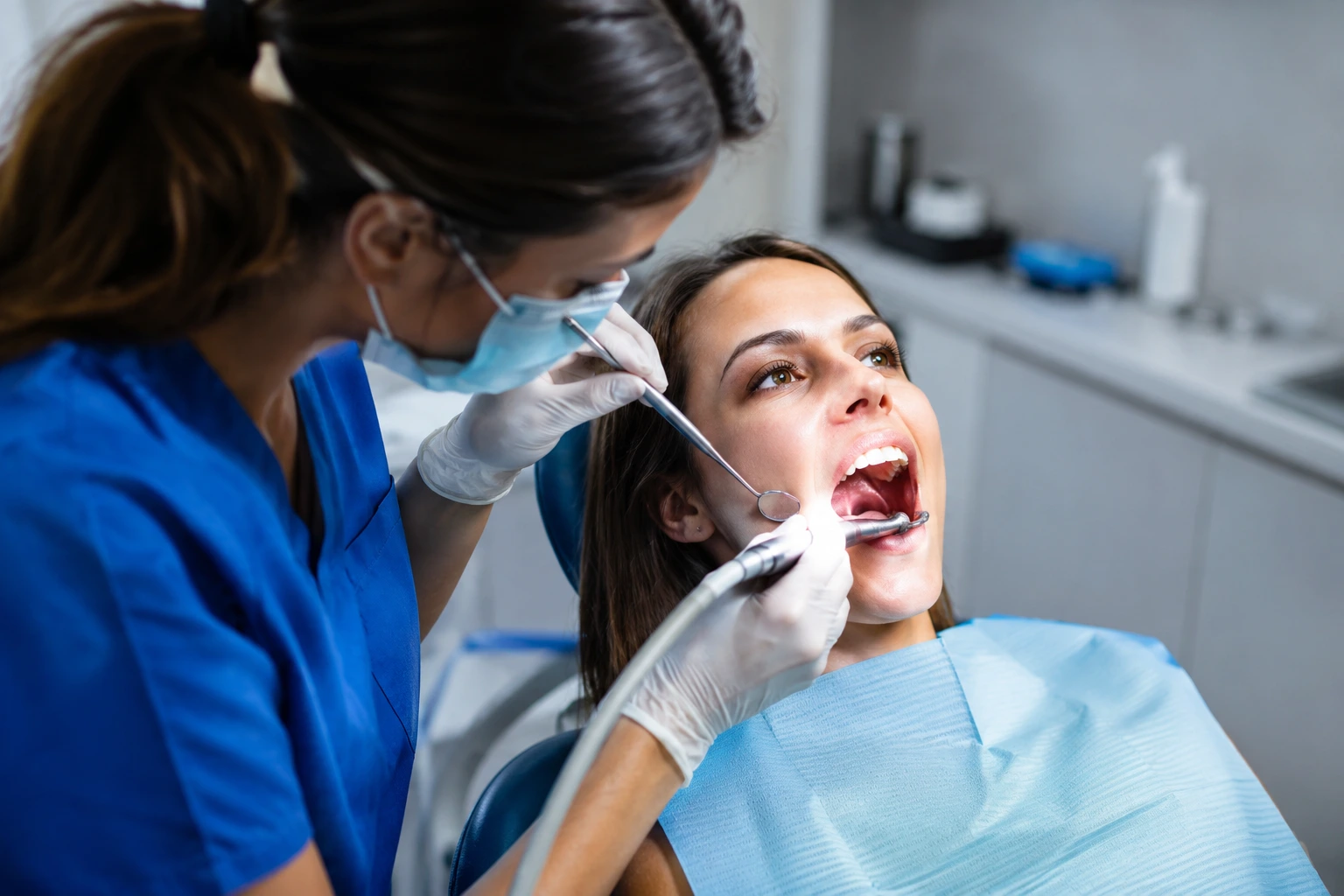
Your gums bleed when you brush, your breath feels off no matter what you do, and you can feel something shifting in your mouth that shouldn’t be shifting – this is what happens when plaque sneaks below your gumline, and a deep cleaning dental procedure is exactly what your mouth needs to fight back.
Understanding deep cleaning
Deep cleaning, medically known as scaling and root planing, represents a targeted intervention that operates at a level most standard dental cleanings cannot reach. While your regular six-month cleaning focuses on visible tooth surfaces and the gumline itself, deep cleaning penetrates beneath the gum tissue to address the root surfaces of your teeth. Think of it this way: imagine your tooth as an iceberg, with the visible crown above the gumline and the root extending deep below. Plaque and tartar don’t just accumulate on the crown; they creep down along the root surface, creating pockets where bacteria thrive in an oxygen-free environment. This is where scaling and root planing becomes essential. The procedure involves using specialized ultrasonic and hand instruments to methodically remove these hardened deposits from areas you cannot see or reach with a toothbrush. The goal is to restore the tooth root to a clean, smooth surface that allows your gum tissue to reattach and heal.
Why deep cleaning is essential
When plaque accumulates below your gumline, it triggers a biological cascade that your body cannot stop on its own. The bacteria in this subgingival plaque release toxins that irritate and inflame your gum tissue, causing it to pull away from the tooth root. This creates deeper pockets, which trap more bacteria, which produce more toxins in a vicious cycle. Over time, this inflammation can destroy the periodontal ligament and bone that anchor your teeth, leading to tooth mobility and eventual loss. Research consistently shows that untreated gum disease progresses silently; many women don’t realize they have it until significant damage has occurred. Deep cleaning interrupts this progression by removing the bacterial biofilm and calculus that fuel the infection. By eliminating these harmful substances, you give your immune system a fighting chance to reduce inflammation and allow your gum tissue to reattach to the tooth root. Studies demonstrate that scaling and root planing can reduce pocket depths and bleeding, halting disease progression in many cases.
The procedure
Understanding what happens during deep cleaning helps ease any anxiety about the process. First, your dentist or hygienist will apply a local anesthetic to the affected areas, typically using a topical numbing gel followed by an injection. This ensures you feel pressure and vibration but not sharp pain during the procedure. Once the area is numb, the clinician uses an ultrasonic scaler, which vibrates at high frequency to break apart tartar deposits, combined with a water spray to flush away debris. For areas requiring more precision, hand instruments called curettes are used to carefully remove calculus from the root surface. This step requires significant skill because the goal is to remove all deposits while preserving the tooth structure. After scaling is complete, the root surfaces are planed, meaning they are smoothed and shaped to remove any remaining rough spots where bacteria could reattach. This smoothing is crucial because a polished root surface discourages bacterial colonization and promotes healing. The entire process typically takes one to two hours, depending on the extent of disease and number of teeth involved.
- Local anesthetic is applied to numb gum tissue and ensure comfort throughout the procedure.
- Ultrasonic scaling instruments vibrate to break apart and remove tartar deposits from tooth roots.
- Hand instruments called curettes carefully remove remaining calculus from subgingival surfaces.
- Root surfaces are planed and smoothed to discourage bacterial reattachment and promote tissue healing.
🔬 Science-backed benefits in 2 minuteschoose where to begin:
Benefits of deep cleaning
The benefits of deep cleaning extend far beyond simply having cleaner teeth. By removing the source of bacterial infection, deep cleaning allows your immune system to reduce inflammation, which often leads to decreased bleeding and improved gum health within weeks. Many women report that their gums stop bleeding during brushing and flossing, which is a tangible sign that healing is occurring. Beyond gum health, addressing periodontal disease has broader implications. Research indicates that untreated gum disease is associated with systemic health concerns, so treating it supports your overall wellness. Additionally, deep cleaning can eliminate the anaerobic bacteria responsible for bad breath, restoring your confidence in social situations. By halting disease progression, deep cleaning helps preserve your natural teeth, avoiding the need for extractions and more complex restorative procedures later. The procedure also establishes a foundation for improved home care; with cleaner root surfaces and reduced pocket depths, your daily brushing and flossing become more effective at maintaining the results.
Post-procedure care
The weeks following deep cleaning are critical for consolidating the benefits and preventing disease recurrence. Immediately after the procedure, your gums may feel tender and you might experience slight sensitivity to temperature changes; this typically resolves within a few days as the tissue begins to heal. During this healing phase, avoid very hot foods and beverages, and be gentle when brushing near treated areas. Your dentist may recommend using a soft-bristled toothbrush and an antimicrobial rinse to support healing and reduce bacterial load. Within one to two weeks, you should notice reduced bleeding and improved gum appearance. Long-term success depends on consistent home care: brush twice daily with a fluoride toothpaste, floss daily to remove plaque from between teeth, and use any prescribed antimicrobial products as directed. Regular dental visits become even more important after deep cleaning, typically scheduled every three to four months initially to monitor healing and ensure disease doesn’t return. Think of post-procedure care as maintaining the investment you’ve made in your oral health; without consistent effort, the conditions that led to deep cleaning can redevelop.
The verdict on deep cleaning
Deep cleaning stands as one of the most evidence-based interventions in preventive dentistry, with decades of research supporting its effectiveness in halting gum disease progression. For women managing periodontal disease, this procedure offers a non-surgical pathway to restore oral health and preserve natural teeth. The scientific literature consistently demonstrates that scaling and root planing, combined with improved home care and regular professional maintenance, can stabilize gum disease and prevent tooth loss in most cases. What makes deep cleaning particularly valuable is that it addresses the root cause of the problem rather than just treating symptoms. By removing the bacterial biofilm and calculus that drive inflammation, you’re not simply masking the issue; you’re fundamentally changing the oral environment. This approach aligns with modern understanding of periodontal disease as a treatable infection that responds to targeted intervention. For many women, deep cleaning represents a turning point where they regain control of their oral health and feel confident about their smile again.
Deep cleaning, also known as scaling and root planing, is a crucial dental procedure that removes plaque, tartar, and bacteria from below the gumline to prevent gum disease. It offers numerous benefits and requires post-procedure care to maintain oral health.
Is deep cleaning painful?
Deep cleaning may cause mild discomfort, but local anesthesia is used to minimize any pain during the procedure.
How often should deep cleaning be done?
The frequency of deep cleaning depends on the severity of gum disease. Your dentist will recommend the appropriate intervals for your specific oral health needs.
Others also read:
Disclaimer: This article is for informational purposes only and is not a substitute for professional medical advice. Always consult a healthcare professional for personal guidance.
This article has been prepared and reviewed by the GlobalHealthBeacon editorial team and is based on current medical research and published scientific literature available in 2026. It provides structured, evidence-based information to support informed health decisions.
