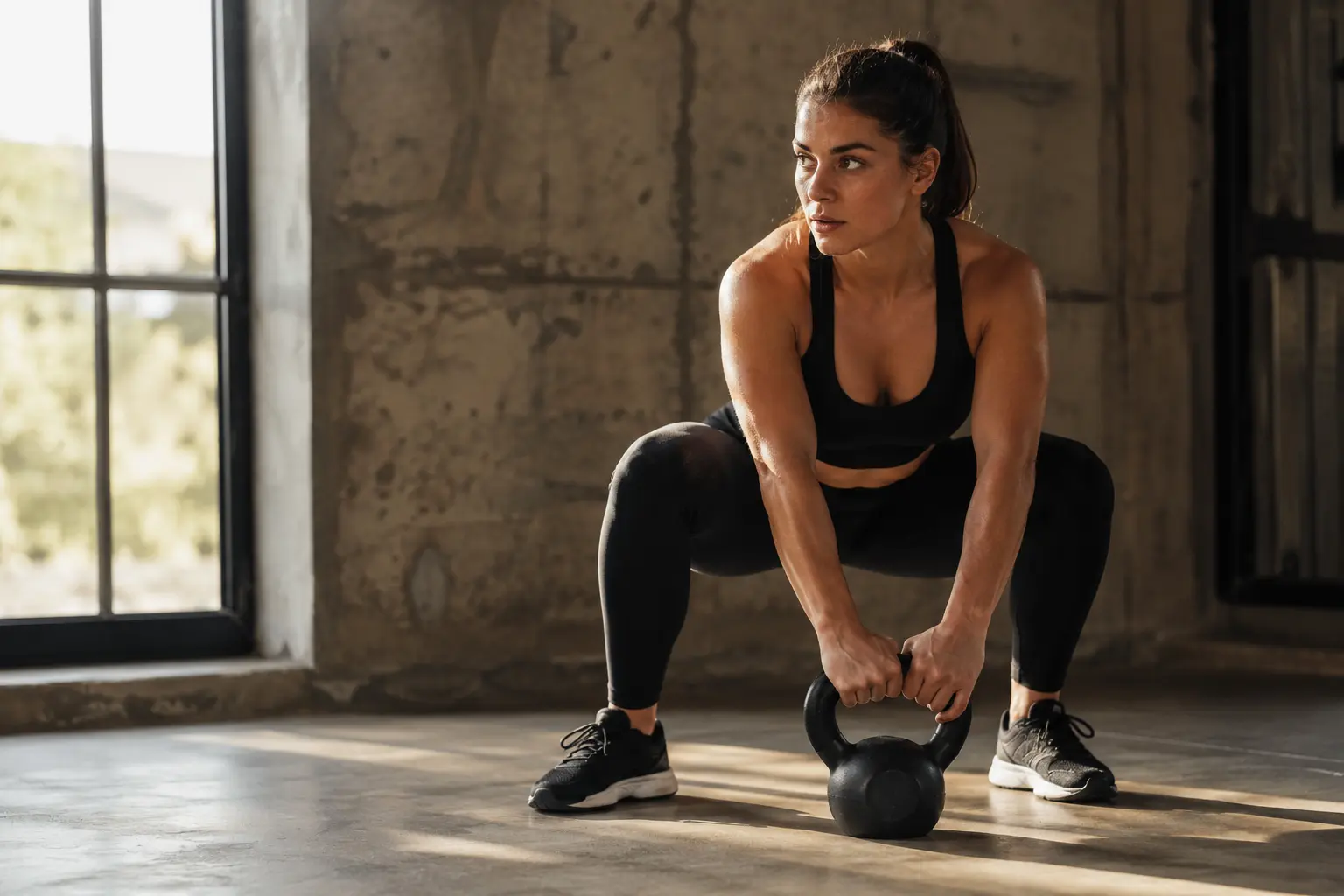
You reach for a jar on the shelf and your shoulder screams, you bend down to pick something up and your knees protest, you struggle to stand from the couch without using your arms, and you realize your body just doesn’t cooperate like it used to, but functional strength training is the answer that can change everything.
Understanding functional strength training
Functional strength training isn’t about lifting heavy weights or looking like a bodybuilder. It’s about training your body to handle the movements you actually do every single day. Think about what your body goes through: squatting to sit down and stand up, reaching overhead to grab something from a shelf, rotating your torso to look over your shoulder, carrying groceries with one hand while unlocking the door with the other. These everyday movements require coordination, balance, and strength working together. When you do functional strength training, you’re essentially practicing these real-life movements in a controlled way, which makes your muscles remember how to work together efficiently. Over time, your nervous system gets better at coordinating these movements, your muscles become stronger and more stable, and suddenly those daily tasks feel easier. You’re not just building muscle; you’re rebuilding the connection between your brain and your body.
- Enhances muscle strength, balance, and coordination
- Reduces the risk of falls and injuries
- Improves mobility for everyday tasks
Benefits of functional strength training
The physical improvements are obvious, but what really changes is how you feel about yourself. Margaret, a 72-year-old from Ohio, told us that after three months of functional strength training, she could finally carry her grandkids without her back aching for days afterward. More importantly, she felt confident again. That confidence spills over into everything. You start taking the stairs instead of the elevator because you trust your legs. You volunteer to help friends move because you know your body can handle it. You go on longer walks, play with grandchildren on the floor, and do yard work without needing a recovery day. Beyond the physical gains, seniors often experience improved mood, better sleep, and a sense of accomplishment that comes from mastering something challenging. When you realize you’re stronger than you were last month, it shifts something inside. You feel more capable, more in control, and more like yourself.
💬 Ready to feel better in 2 minutes?choose where to begin:
Overcoming challenges with functional strength training
Starting a new exercise routine can feel intimidating, especially if you’re worried about doing something wrong or hurting yourself. Many seniors hesitate because they’re not sure about proper form or they’ve heard stories about people getting injured at the gym. These concerns are valid and completely understandable. The good news is that with the right guidance, these obstacles become manageable. A qualified trainer can watch your movements and correct your form before bad habits develop. They can modify exercises to match your current fitness level and gradually progress you as you get stronger. Start slowly, maybe just two sessions a week for fifteen minutes. Your body needs time to adapt. Consistency matters far more than intensity. If you miss a week, you don’t lose everything you’ve built. The key is showing up regularly and being patient with yourself. Progress isn’t always visible week to week, but after six weeks, you’ll notice you’re climbing stairs easier or carrying groceries feels lighter.
Real stories of transformation
Susan struggled with stairs for years. Her knees would hurt, and she’d have to hold the railing tightly, taking one step at a time. After starting functional strength training that focused on squats, step-ups, and balance work, everything changed. Within eight weeks, she was bounding up stairs without thinking about it, and she started carrying her groceries in one trip instead of making multiple trips. Then there’s John, who thought his gardening days were behind him. His back was sore, his knees complained, and bending down to pull weeds felt impossible. A trainer designed a program that included movements that mimicked gardening tasks: lunges for reaching down, rotational movements for turning soil, and core work for stability. Six months later, John spent an entire Saturday gardening and felt fine the next day. These aren’t exceptional stories; they’re what happens when seniors commit to functional strength training and stick with it.
Functional strength training offers seniors the opportunity to regain independence and vitality by improving muscle strength, balance, and coordination through exercises that mimic daily movements. With consistent effort and guidance, individuals can experience physical and emotional benefits that enhance their quality of life significantly.
Is functional strength training safe for seniors?
Yes, when performed correctly under the supervision of a qualified trainer, functional strength training is safe and highly beneficial for seniors. It helps improve muscle strength, balance, and overall functional abilities.
How often should seniors engage in functional strength training?
Seniors should aim to engage in functional strength training exercises at least 2-3 times per week, allowing for rest days in between sessions to prevent injury and promote muscle recovery.
Others also read:
Disclaimer: This article is for informational purposes only and is not a substitute for professional medical advice. Always consult a healthcare professional for personal guidance.
This article presents an experience-based perspective and has been reviewed by the GlobalHealthBeacon editorial team in 2026. It provides structured, evidence-based information to support informed health decisions.
