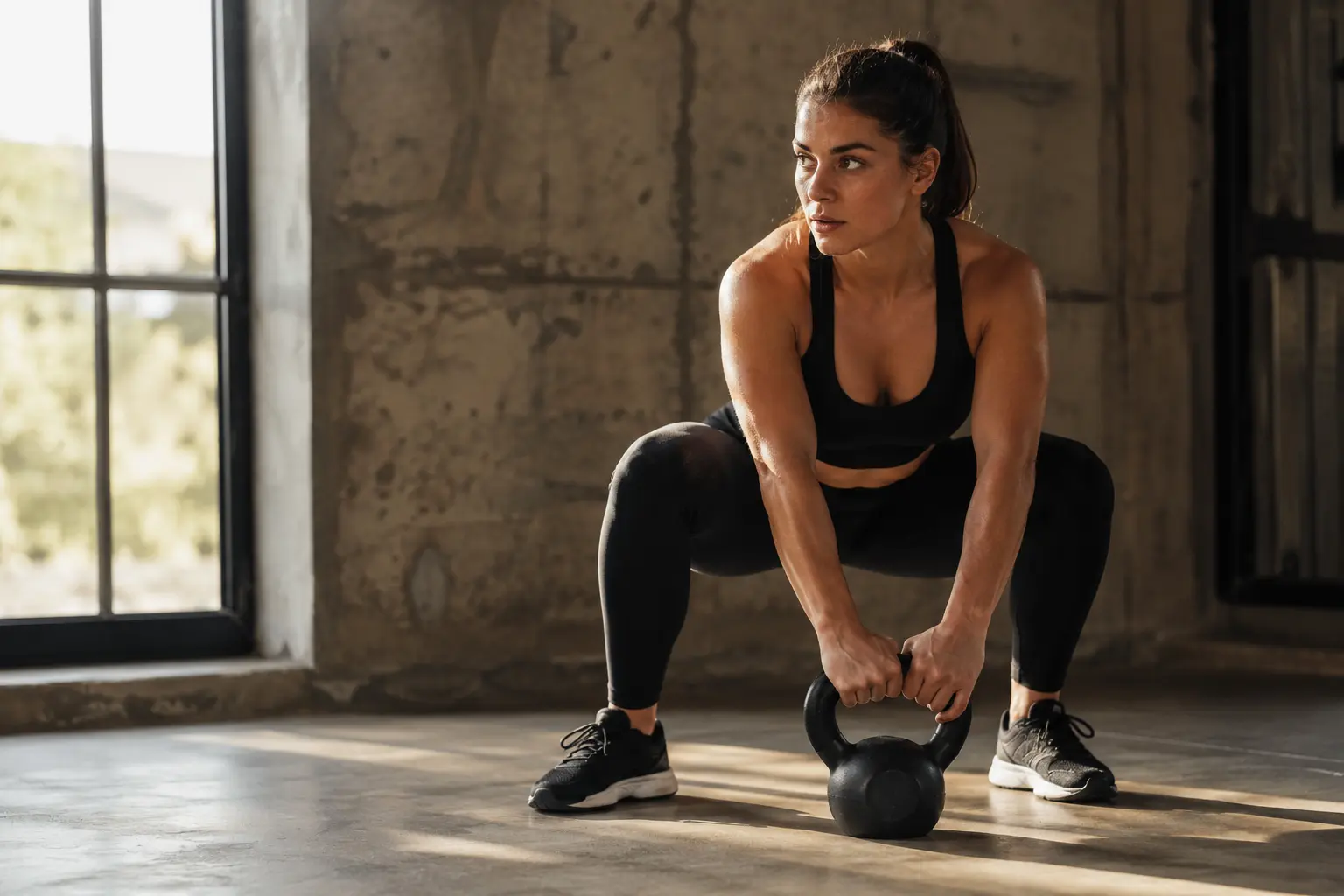
You’re huffing and puffing after carrying groceries up two flights of stairs, your back aches from sitting at a desk all day, and simple movements feel harder than they should—but functional strength training can change that.
Building a strong foundation
Functional strength training is about training your body the way it actually moves in real life. Instead of isolating muscles on machines, you’re doing exercises that mimic what you do every single day. Think squats that prepare you for sitting and standing, lunges that train you for walking and climbing, and compound movements that engage multiple muscle groups at once. When you build this foundation, you’re not just getting stronger in the gym—you’re literally rewiring how your body handles everyday challenges. A young adult who starts functional strength training often notices within weeks that they can carry heavy bags without straining, play sports without getting injured, and move through their day with noticeably more ease and confidence. The key is consistency and proper form over flashy weights.
- Enhances coordination and balance
- Boosts muscle mass and bone density
- Improves overall functional fitness
Functional strength for everyday activities
Picture this: you’re at the grocery store and someone hands you four heavy bags at once. Your shoulders don’t scream, your lower back stays stable, and you walk to your car feeling strong instead of defeated. That’s what functional strength training delivers. This type of training targets the exact muscle groups you use for bending, lifting, reaching, and carrying. Whether you’re picking up a child, moving furniture, or just reaching for something on a high shelf, functional exercises prepare your body for real situations. Young adults who embrace this approach find that stairs become easier, their posture improves naturally, and they recover faster from physical activities. The exercises feel purposeful because they directly translate to better performance in your actual life, not just in the gym.
💬 Ready to feel better in 2 minutes?choose where to begin:
Preventing injuries and improving posture
Weak muscles and poor posture create a domino effect of problems. Your shoulders round forward from desk work, your lower back compensates and gets tight, and suddenly you’re dealing with chronic aches that seem to come from nowhere. Functional strength training breaks this cycle by correcting muscle imbalances and strengthening the stabilizer muscles that protect your joints. When you train movements instead of just muscles, your body learns proper alignment and movement patterns. This means your knees track correctly when you squat, your spine stays neutral when you bend, and your shoulders stay packed when you lift. Young adults who commit to this approach often report that nagging pains disappear, their posture improves without thinking about it, and they feel more resilient and capable in their bodies.
The mind-body connection
Functional strength training does something special that isolated gym exercises don’t: it wakes up your entire nervous system. When you’re performing complex movements that require balance, coordination, and focus, your brain is fully engaged. You’re not zoning out on a machine; you’re actively problem-solving how your body moves through space. This heightened awareness builds mental resilience and improves your concentration both in the gym and in daily life. Young adults often discover that this type of training becomes a form of moving meditation, where stress melts away and you feel genuinely present in your body. The confidence boost from getting stronger and more capable translates into better posture, clearer thinking, and an overall sense of well-being that goes far beyond physical fitness.
Functional strength training is a game-changer for young adults, offering a practical way to enhance daily movements, prevent injuries, and improve overall well-being. By incorporating exercises that target functional fitness, you can build a strong foundation, boost coordination, and enjoy a more active lifestyle.
How often should I do functional strength training?
Ideally, aim for 2-3 sessions per week, allowing your muscles to recover between workouts. Consistency is key to seeing progress and reaping the benefits of functional strength training.
Can I start functional strength training as a beginner?
Absolutely! Start with lighter weights or bodyweight exercises to build a foundation before progressing to more challenging movements. Listen to your body, focus on proper form, and gradually increase the intensity as you get stronger.
Others also read:
Disclaimer: This article is for informational purposes only and is not a substitute for professional medical advice. Always consult a healthcare professional for personal guidance.
This article presents an experience-based perspective and has been reviewed by the GlobalHealthBeacon editorial team in 2026. It provides structured, evidence-based information to support informed health decisions.
