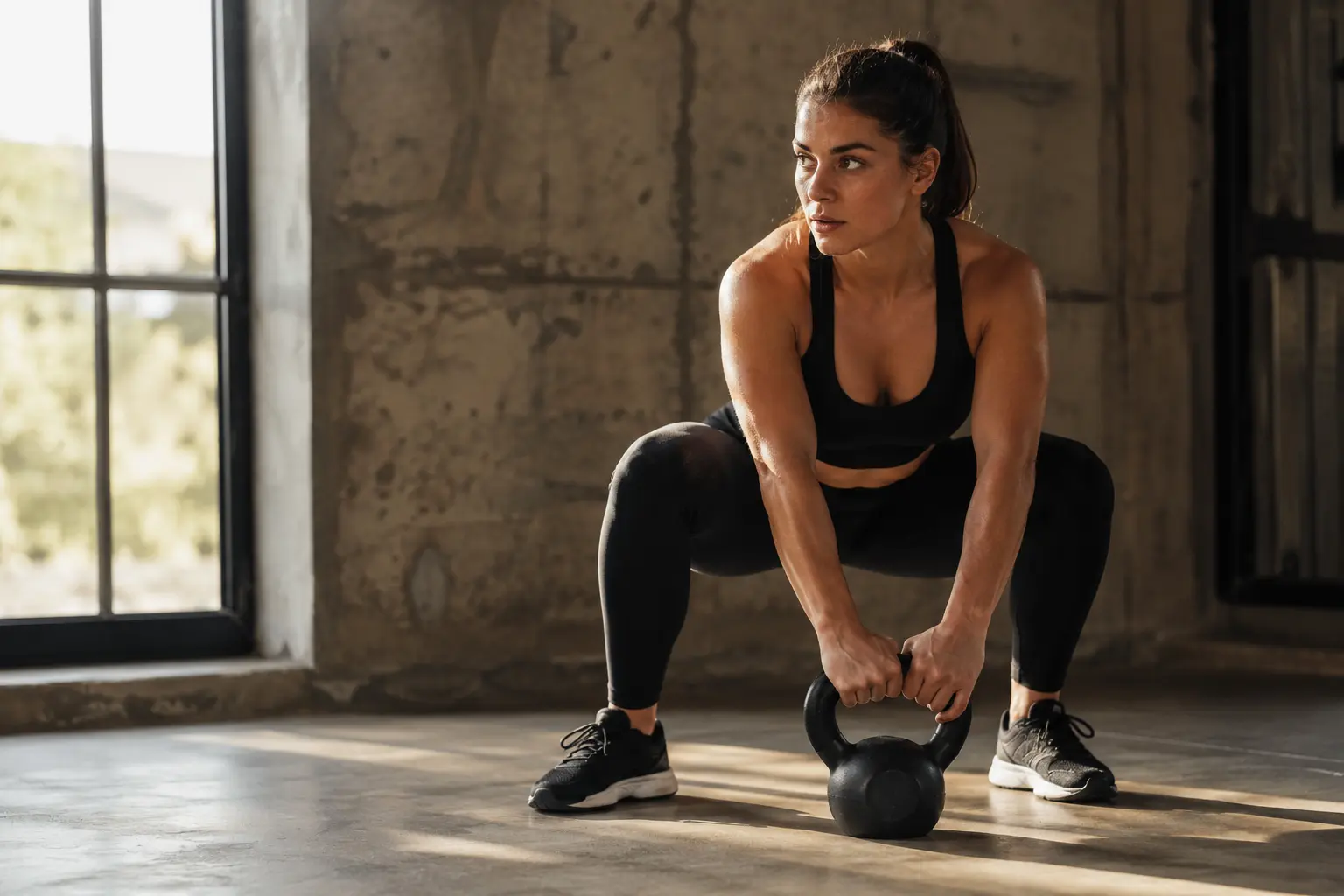
Tired of feeling weak when carrying groceries, struggling to get up from the floor, or noticing your body just doesn’t move the way it used to? Functional strength training is the answer you’ve been looking for.
Understanding functional strength training
Functional strength training is exercise designed around how your body actually moves in real life. Instead of isolating single muscles like traditional weightlifting does, functional training engages multiple muscle groups working together to perform everyday movements. Think about picking up a child from the ground, carrying a heavy bag of groceries up stairs, or reaching overhead to grab something from a shelf. These aren’t isolated movements. Your core stabilizes, your legs power the motion, your arms pull, and your back supports the entire action. Functional strength training mimics these real-world patterns. It improves how your muscles communicate with each other and builds the kind of strength that actually matters when you’re living your life. This approach enhances coordination and stability, making you more efficient and capable in daily activities. Women especially benefit because functional training addresses the specific movement patterns and strength imbalances that affect us most.
- Engages core muscles for stability and balance
- Improves joint flexibility and mobility
- Enhances overall strength and endurance
Benefits of functional strength training
The benefits go far beyond just feeling stronger. When you practice functional strength training, you’re building resilience into your daily life. Physically, you’ll notice you tire less easily, move with more confidence, and experience fewer aches and pains. Your posture improves because your core becomes stronger and more engaged. You’ll find it easier to play with kids, garden without soreness, or travel without exhaustion. Beyond the physical, functional training reduces stress and anxiety by releasing endorphins and giving you a sense of accomplishment. Your cognitive function improves too because coordinated movement challenges your brain. Perhaps most importantly, functional strength training prevents injuries by strengthening the muscles and connective tissues that support your joints. Women are statistically more prone to certain injuries like ACL tears and lower back strain. Functional training directly addresses these vulnerabilities by building balanced strength throughout your entire body.
📘 Fix your day in under 2 minuteschoose where to begin:
Getting started with functional strength training
You don’t need expensive equipment or a gym membership to begin. Start with your own bodyweight. Squats teach your legs and core to work together as you lower and lift your body weight, mimicking the motion of sitting down and standing up. Lunges work one leg at a time, building single-leg stability that helps with walking and climbing stairs. Planks engage your entire core and teach your body to maintain a stable line from head to heels. Push-ups, whether from your knees or against a wall, build upper body and core strength simultaneously. These foundational movements prepare your body for progression. Once you’ve mastered bodyweight exercises with proper form, introduce resistance bands, which are affordable and portable. Then progress to dumbbells or kettlebells. A woman might start with 5-pound dumbbells for upper body work and gradually increase weight as strength improves. The key is consistency over intensity at this stage. Three weeks of regular practice builds the foundation you need.
Progressing safely in functional strength training
Safety depends entirely on proper form and technique. Before adding weight or complexity, master the movement pattern with your body alone. Film yourself or use a mirror to check alignment. Your knees should track over your toes during squats, your back should stay neutral during deadlifts, and your core should remain engaged throughout all movements. Common mistakes include rounding the lower back, letting knees cave inward, or moving too quickly through exercises. Slow, controlled movement builds strength more effectively and prevents injury. Focus on the fundamental movement patterns: pushing (like a push-up or chest press), pulling (like a row), squatting (like a squat or lunge), bending (like a deadlift), and twisting (like a wood chop). As you advance and these movements feel natural, gradually increase intensity by adding weight, increasing repetitions, or reducing rest periods. Progress slowly. A 5-10 percent increase in weight each week is appropriate. Listen to your body. Sharp pain is different from muscle fatigue. Sharp pain means stop immediately.
Incorporating functional strength training into your routine
Consistency matters more than intensity. Aim for two to three functional strength training sessions per week, spaced at least one day apart. A sample week might look like Monday strength training, Wednesday rest or light activity, Friday strength training, and Sunday active recovery like walking. Each session should last 30-45 minutes including warm-up and cool-down. Start with 5-10 minutes of light cardio to elevate your heart rate and prepare your muscles. Then perform 3-4 functional exercises for 3 sets of 8-12 repetitions each. Rest 60-90 seconds between sets. Finish with 5-10 minutes of stretching. Track your workouts in a simple notebook or phone app. Write down which exercises you did, how much weight you used, and how many repetitions you completed. This creates accountability and shows you progress over time. Adjust intensity based on how you feel. Some weeks you’ll feel stronger. Other weeks, life stress or poor sleep might mean you dial back slightly. This flexibility keeps you consistent long-term.
Functional strength training improves overall strength, flexibility, and coordination for daily activities. It enhances physical and mental well-being, reduces the risk of injury, and can easily be incorporated into your fitness routine.
Is functional strength training suitable for beginners?
Yes, functional strength training is ideal for beginners as it focuses on improving overall strength and mobility. Start with bodyweight exercises and gradually progress to more challenging routines.
How often should I do functional strength training?
For optimal results, aim to do functional strength training exercises at least two to three times per week. Allow for rest days in between sessions to prevent overtraining.
Others also read:
Disclaimer: This article is for informational purposes only and is not a substitute for professional medical advice. Always consult a healthcare professional for personal guidance.
This guide has been prepared and reviewed by the GlobalHealthBeacon editorial team and reflects current medical research as of 2026. It provides structured, evidence-based information to support informed health decisions.
