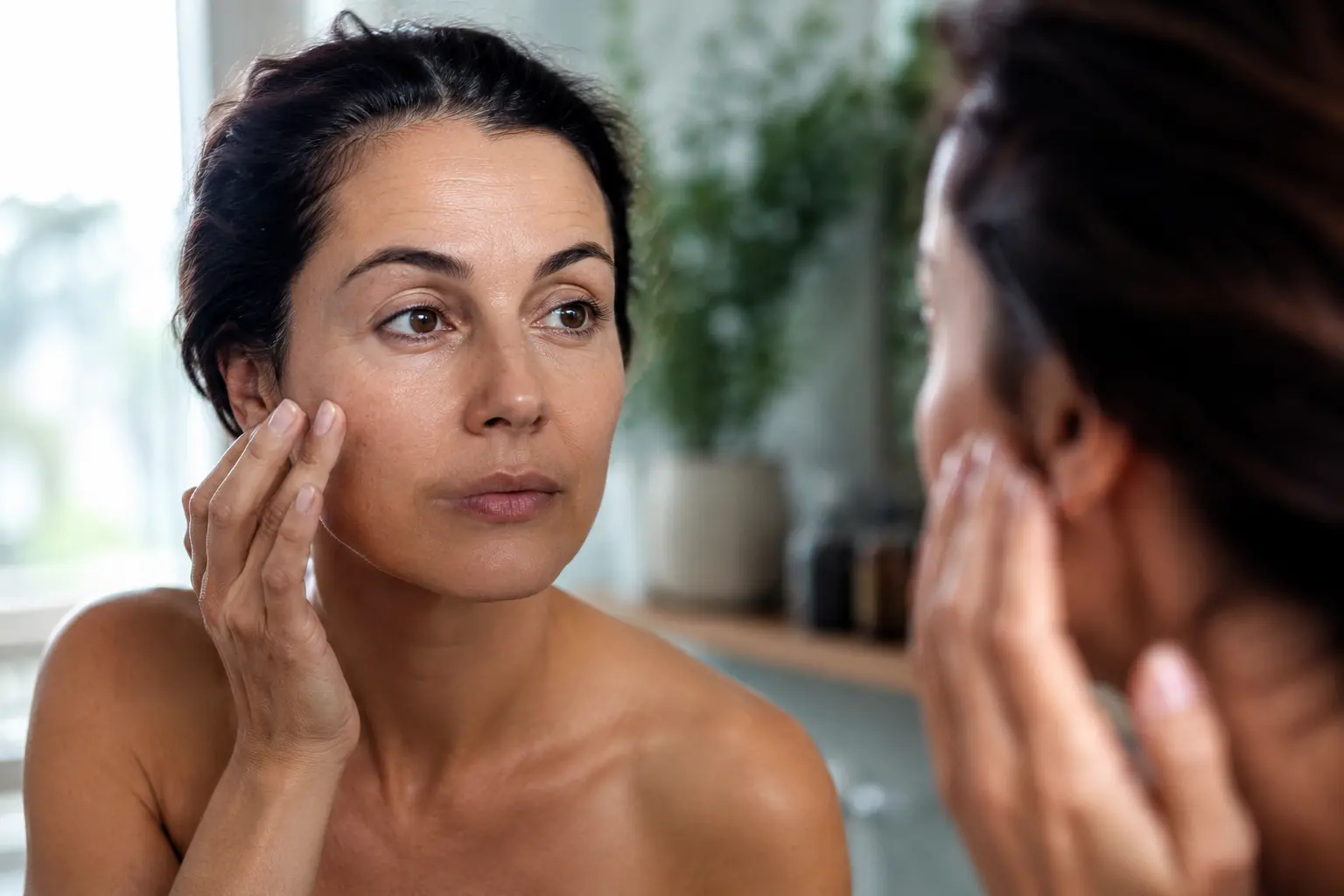
You look in the mirror and barely recognize yourself anymore, watching your skin lose that firmness and glow you once took for granted, but here’s what nobody tells you about skin longevity explained: it’s not too late to turn things around.
Understanding skin longevity
Think about Margaret, a 68-year-old who spent decades in the sun without much thought to protection. By her sixties, she noticed her skin had become thin, papery, and covered in age spots she couldn’t ignore. That’s when she started learning about skin longevity. Our skin changes dramatically as we age because collagen production slows, elasticity decreases, and our natural moisture barrier weakens. But understanding why this happens is half the battle. Hydration becomes crucial because aging skin loses its ability to retain water, making it look dull and emphasizing fine lines. Sun damage accumulates over decades, so even if you didn’t protect your skin in your twenties, starting now matters tremendously. A balanced diet rich in antioxidants, omega-3 fatty acids, and vitamins C and E helps your skin repair itself from the inside out. Margaret discovered that when she started connecting these dots, her skin responded within weeks.
- Hydration is key to keep skin plump and youthful
- Sun protection is essential to prevent premature aging and skin damage
- A balanced diet rich in antioxidants can support skin health
Skincare routine for skin longevity
Creating a skincare routine doesn’t have to be complicated, but it does need to be consistent. Start with a gentle cleanser that won’t strip your skin, because harsh soaps can damage the delicate barrier that keeps moisture in. Exfoliate once or twice weekly to remove dead skin cells that make your complexion look tired, but avoid aggressive scrubbing that irritates mature skin. Next comes moisturizer, which should be richer and more nourishing than what you used in your forties. Many seniors find that layering a hydrating serum under their moisturizer makes a noticeable difference within days. Sunscreen with at least SPF 30 is non-negotiable, even on cloudy days, because UV rays penetrate clouds and cause ongoing damage. If you’re unsure about your specific skin type or have concerns like rosacea or sensitive areas, consulting a dermatologist can provide personalized guidance tailored to your unique needs.
💬 Ready to feel better in 2 minutes?choose where to begin:
Lifestyle habits that impact skin health
Your skin reflects your entire lifestyle, not just what you apply topically. Smoking accelerates skin aging by breaking down collagen and restricting blood flow, which is why smokers often look significantly older than their non-smoking peers. Chronic stress triggers inflammation throughout your body, including your skin, so managing stress through activities you enjoy genuinely helps your complexion. Sleep is when your skin repairs itself most actively, so those nights when you get eight solid hours show on your face within days. Physical activity increases blood flow, delivering oxygen and nutrients to your skin cells, which is why people who exercise regularly often have that healthy glow. Consider James, a 72-year-old who started walking daily and noticed his skin tone improved within a month. Small but consistent changes, like drinking more water, reducing sugar intake, and spending time outdoors in the morning sun, compound over time into visible improvements.
Embracing aging with grace
Society tells us that aging skin is something to fight against, but many seniors find that shifting their perspective brings unexpected peace. Your skin tells the story of your life: laugh lines show where you’ve smiled, sun spots mark adventures outdoors, and texture changes reflect decades of experiences. Rather than viewing these as flaws to erase, some people choose to see them as evidence of a life well-lived. This doesn’t mean giving up on skincare or letting your skin deteriorate. Instead, it means taking care of your skin because you respect yourself and want to feel comfortable in your own body, not because you’re chasing an impossible standard of youth. Confidence and self-acceptance genuinely affect how you carry yourself and how others perceive you. When you stop fighting against your age and start investing in your health, your skin responds with a natural radiance that no amount of makeup can replicate.
Exploring the secrets of skin longevity reveals the importance of hydration, sun protection, and a healthy diet for maintaining healthy skin. Developing a tailored skincare routine, adopting skin-friendly lifestyle habits, and embracing the aging process with grace are essential for promoting skin health and vitality.
How can I prevent premature aging of the skin?
Prevent premature aging by staying hydrated, using sun protection, adopting a balanced diet, and following a personalized skincare routine. Consult a dermatologist for expert advice.
Can lifestyle habits impact skin longevity?
Yes, lifestyle habits such as avoiding smoking, managing stress, getting enough sleep, and staying active can significantly impact skin longevity. Small positive changes in habits can lead to improved skin health.
Others also read:
Disclaimer: This article is for informational purposes only and is not a substitute for professional medical advice. Always consult a healthcare professional for personal guidance.
This article presents an experience-based perspective and has been reviewed by the GlobalHealthBeacon editorial team in 2026. It provides structured, evidence-based information to support informed health decisions.
