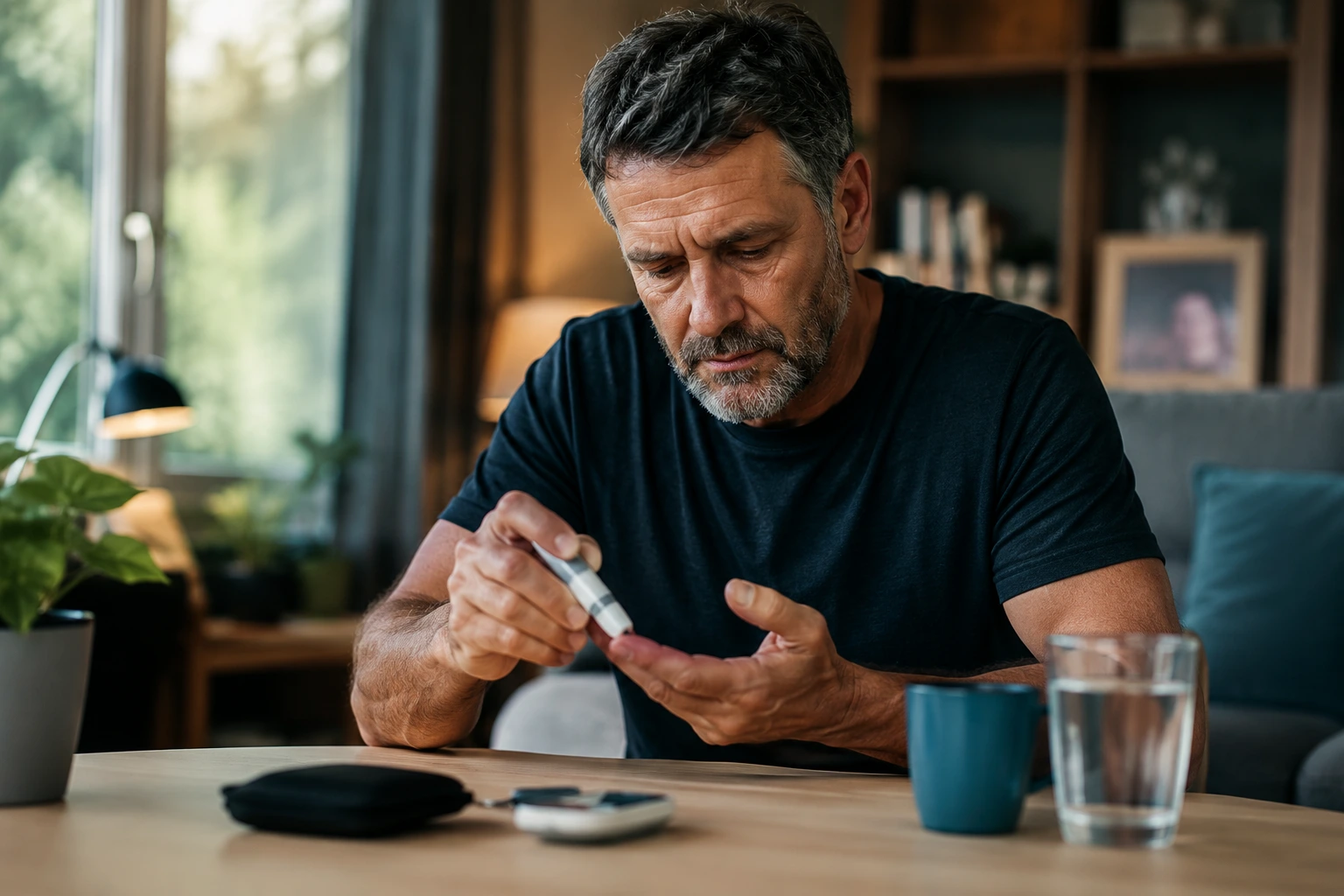
You wake up feeling like you’re 75 when your driver’s license says 62, and you’re desperate to know if biological age test accuracy can finally explain why your body doesn’t feel like it matches the calendar anymore.
Understanding the accuracy of biological age tests
When I first heard about biological age tests, I was skeptical. How could a simple blood test or DNA analysis really tell me how old my body actually is? But then I started digging deeper, and it became clear these tests are measuring something real. They look at DNA methylation patterns, which is basically how your genes are being expressed over time, telomere length which are the protective caps on your chromosomes that shorten with age, and inflammatory markers that signal how much stress your body is under. Think of it like this: your chronological age is just a number on paper, but your biological age is what your body is actually experiencing. A 70-year-old who exercises regularly, sleeps well, and manages stress might have a biological age of 55. Meanwhile, someone who is 60 but has been under constant stress and neglecting their health might register at 72. The accuracy of these tests varies depending on which method you use, and that’s the crucial part to understand.
- Accuracy varies among different biological age testing methods and providers.
- Biological age tests can help guide lifestyle changes for healthier aging.
- Factors like genetics and lifestyle can impact the results of these tests.
Interpreting biological age test results
I remember getting my first biological age test results back. The report said my biological age was 58, but I was chronologically 66. Part of me felt relieved, but another part wondered if I was reading it correctly. That’s when I realized how important it is to sit down with someone who understands these numbers. Interpreting results isn’t just about looking at a single number and celebrating or panicking. You need to understand what the test actually measured, which biomarkers were analyzed, and what those markers mean for your specific health situation. Some tests focus on inflammation, others on cellular aging, and some on metabolic markers. The context matters enormously. A healthcare professional can help you understand whether your results reflect your actual lifestyle habits, genetic predisposition, or if there might be underlying health factors worth investigating further. They can also help you avoid misinterpreting results as a definitive diagnosis rather than what they really are: a snapshot of your current aging trajectory based on available data.
💬 Ready to feel better in 2 minutes?choose where to begin:
Challenges faced by seniors in utilizing biological age tests
Let’s be honest, learning that your body might be aging faster than expected can hit hard emotionally. I’ve talked to friends who got their results and felt discouraged for weeks afterward. There’s this moment where you realize your lifestyle choices have had real consequences, and that can feel overwhelming. Beyond the emotional weight, there’s the practical challenge of actually changing habits. You can’t just read a report and suddenly start exercising five times a week if you’ve been sedentary for years. Your knees might hurt, your energy might be low, or you might not know where to start. Some seniors also struggle with the cost of these tests, which can range from a few hundred to several thousand dollars depending on the type. And then there’s the challenge of finding trustworthy information about which tests are actually reliable and which ones are just marketing hype. It’s easy to feel lost in a sea of options and promises.
Embracing the journey of aging gracefully
Here’s what I’ve learned after reviewing biological age tests and talking to many seniors about their experiences: these tests are tools, not judges. They’re not telling you that you’re broken or that you’ve failed. What they’re really doing is giving you information you can actually use. If your biological age is higher than your chronological age, that’s not a death sentence. It’s an invitation to make different choices moving forward. The beautiful part about biological aging is that unlike your chronological age, it’s not fixed. You can influence it through consistent lifestyle changes: moving your body in ways that feel good, eating whole foods most of the time, managing stress, sleeping better, and maintaining meaningful relationships. Aging gracefully doesn’t mean staying young. It means accepting where you are right now while actively choosing to feel as vital and healthy as possible. The test results are just the starting point. What matters most is what you do with that information and how you treat yourself with compassion throughout the process.
Biological age tests reviewed from a senior’s perspective reveal that while these tools vary in accuracy, they offer valuable insights into how your body is truly aging. Understanding the results, navigating the emotional weight of the findings, and using that information to make positive lifestyle changes can help you take control of your health journey. These tests aren’t about judgment or doom. They’re about giving you the knowledge and motivation to age in a way that feels right for you.
How accurate are biological age tests?
Biological age tests provide estimates based on various biomarkers, but their accuracy can vary depending on the method used and the company administering the test. Some tests focus on specific markers like DNA methylation or telomere length, while others use broader panels. Consulting with a healthcare professional can help in interpreting these results accurately and understanding what they mean for your individual situation.
Can biological age tests predict longevity?
While biological age tests can provide insights into overall health and aging patterns, they are not predictive of individual longevity. Lifestyle factors, genetics, environmental influences, and medical history all play significant roles in determining how we age and how long we live. These tests should be viewed as one data point among many, not as a crystal ball.
Others also read:
Disclaimer: This article is for informational purposes only and is not a substitute for professional medical advice. Always consult a healthcare professional for personal guidance.
This article presents an experience-based perspective and has been reviewed by the GlobalHealthBeacon editorial team in 2026. It provides structured, evidence-based information to support informed health decisions.
