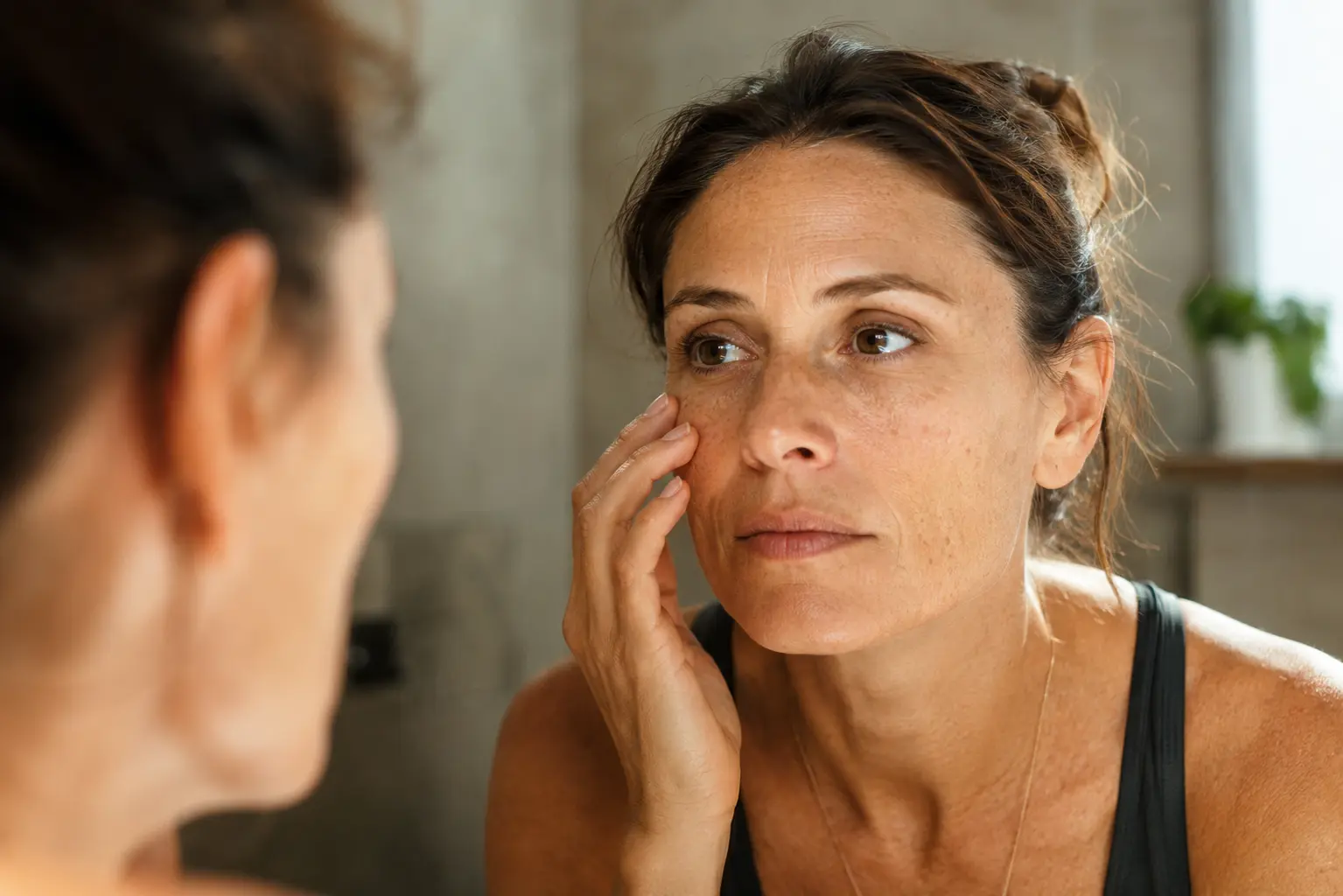
Your skin feels looser, your joints ache more than they used to, and those wrinkles seem to deepen overnight – welcome to collagen loss prevention, the battle every senior faces but few understand.
Understanding collagen loss
Collagen loss is far more than a cosmetic concern. As you age, your body naturally produces less collagen, the protein that acts like a structural scaffold holding your skin, joints, and connective tissues together. Think of collagen as the scaffolding in a building – when it weakens, everything starts to sag and lose its integrity. This decline typically accelerates after age 30, with production dropping roughly 1 percent per year. By your 60s and 70s, the effects become unmistakable: skin loses its firmness and elasticity, joints feel stiffer, and overall tissue resilience diminishes. You might notice your hands look more papery, your neck shows deeper creases, or your knees protest during stairs. This isn’t vanity – it’s biology. Understanding this process helps you recognize that what you’re experiencing is a predictable, natural part of aging rather than a personal failing.
Causes of collagen reduction
Collagen breakdown happens through multiple pathways, and several factors accelerate the process beyond normal aging. Sun exposure damages collagen fibers through ultraviolet radiation, which is why sun-exposed areas like your face, neck, and hands show more visible aging. Smoking actively degrades collagen by reducing blood flow and increasing oxidative stress in your skin cells. Poor nutrition starves your body of the raw materials needed to build new collagen, particularly vitamin C, zinc, and copper. Chronic inflammation, often linked to stress, sugar consumption, and sedentary habits, triggers enzymes that break down collagen faster than your body can replace it. Genetics also play a significant role – some people inherit genes that produce collagen more slowly or break it down more quickly. Dehydration compounds the problem by reducing skin plumpness and making existing collagen less effective. Even sleep deprivation matters: during deep sleep, your body ramps up collagen synthesis and cellular repair. Understanding these causes empowers you to address the ones within your control.
Preventing collagen loss
Prevention requires a multi-pronged approach that addresses both external protection and internal support. Start by shielding your skin from UV damage, which remains the single most controllable factor in collagen preservation. Daily sunscreen with at least SPF 30 isn’t optional if you want to slow visible aging – think of it as insurance for your skin. Internally, your diet becomes your pharmacy. Foods rich in vitamin C like citrus fruits and bell peppers directly support collagen synthesis, while zinc from oysters, beef, and pumpkin seeds helps stabilize collagen structure. Copper, found in nuts and seeds, acts as a cofactor in collagen cross-linking, making the protein stronger. Antioxidants from berries, dark leafy greens, and green tea combat free radicals that damage collagen fibers. Some people find collagen supplements helpful, though research shows they work best alongside these foundational strategies rather than as standalone solutions. Hydration matters too – drinking adequate water keeps skin cells plump and collagen more functional. The key is consistency: these aren’t quick fixes but lifestyle adjustments that compound over months and years.
- Eat a diet high in vitamin C, zinc, and copper from whole food sources like citrus, shellfish, nuts, and seeds.
- Use skincare products with retinoids and peptides that support collagen structure and stimulate production.
- Stay hydrated to support skin elasticity and ensure collagen molecules function optimally in your tissues.
🔬 Science-backed benefits in 2 minuteschoose where to begin:
Boosting collagen production
Your body can still produce collagen efficiently if you give it the right conditions and building blocks. Bone broth, made by simmering bones for hours, contains bioavailable collagen and amino acids your body can use directly. Fish, particularly fatty varieties like salmon, provides both collagen precursors and omega-3 fatty acids that reduce inflammation and support skin health. Leafy greens deliver vitamin C and minerals essential for collagen synthesis. Beyond diet, movement matters profoundly. Regular exercise, especially resistance training and activities that challenge your joints, stimulates collagen production as your body repairs and strengthens connective tissues. Even moderate walking increases blood flow to your skin, delivering oxygen and nutrients that collagen-producing cells need. Strength training is particularly effective because it creates micro-damage in tendons and ligaments, triggering your body to reinforce these structures with new collagen. Many seniors report improved skin tone and texture after establishing consistent exercise routines, though these changes typically emerge over weeks rather than days. The combination of nutrient-dense food and physical activity creates an environment where your body prioritizes collagen maintenance.
Maintaining collagen levels
Preservation is easier than repair, so protecting existing collagen deserves as much attention as building new supply. Smoking accelerates collagen breakdown so dramatically that quitting is perhaps the single most impactful change a senior can make for skin health. Excessive sun exposure without protection essentially fast-forwards your skin’s aging clock – those beach vacations without sunscreen exact a real biological cost. Sleep quality directly influences collagen maintenance because growth hormone, released during deep sleep, orchestrates cellular repair and collagen synthesis. Aim for consistent sleep schedules and 7-9 hours nightly. Stress management matters because chronic stress elevates cortisol, which actively breaks down collagen and impairs new synthesis. This might mean meditation, time in nature, social connection, or hobbies that genuinely relax you. Limiting sugar intake helps too, since excess glucose binds to collagen proteins in a process called glycation, making them stiff and less functional. These aren’t dramatic interventions but rather daily choices that compound into meaningful preservation of your skin’s structural integrity.
Seeking professional advice
While lifestyle changes form the foundation, professional guidance can accelerate results and address individual circumstances. A dermatologist can assess your specific skin type, sun damage history, and genetic predispositions to recommend targeted treatments. They might suggest topical retinoids, which have strong evidence for stimulating collagen production, or professional treatments like microneedling that trigger collagen remodeling. A nutritionist can evaluate your current diet and identify specific gaps in collagen-supporting nutrients, then create a realistic eating plan you’ll actually follow. Some seniors benefit from collagen supplements, though quality varies significantly – a professional can recommend evidence-based products. If you have joint pain or mobility concerns alongside skin changes, a rheumatologist or physical therapist can address collagen loss in connective tissues through targeted exercises. The key is finding professionals who understand that collagen health isn’t vanity but rather a fundamental aspect of aging well. They can personalize strategies to your unique situation rather than applying generic advice.
Collagen loss prevention for seniors involves understanding the biological reality of aging while taking concrete action on modifiable factors. Sun protection, nutrient-dense nutrition, consistent movement, quality sleep, and stress management form the evidence-based foundation. Professional guidance can enhance these efforts through targeted recommendations. Results emerge gradually, typically over weeks to months, but the cumulative effect of sustained effort becomes visible and tangible.
Can collagen supplements reverse collagen loss?
Collagen supplements can support your body’s collagen production and may improve skin hydration and elasticity, but they cannot fully reverse years of collagen loss. Think of them as one tool in a larger toolkit. They work best when combined with sun protection, a nutrient-rich diet, regular exercise, and quality sleep. Some seniors notice improvements in skin texture and joint comfort within 8-12 weeks of consistent use, though individual results vary significantly based on age, genetics, and overall lifestyle.
How long does it take to see results from collagen-boosting methods?
Results from collagen-boosting strategies vary considerably among individuals. Some people notice improved skin texture and hydration within 4-6 weeks of dietary changes and consistent sun protection. Joint flexibility and skin firmness typically show more noticeable changes within 2-3 months. More dramatic improvements in wrinkle depth and skin elasticity usually require 3-6 months of sustained effort. The key is consistency – sporadic efforts yield minimal results, while daily commitment to multiple strategies compounds over time.
Others also read:
Disclaimer: This article is for informational purposes only and is not a substitute for professional medical advice. Always consult a healthcare professional for personal guidance.
This article has been prepared and reviewed by the GlobalHealthBeacon editorial team and is based on current medical research and published scientific literature available in 2026. It provides structured, evidence-based information to support informed health decisions.
