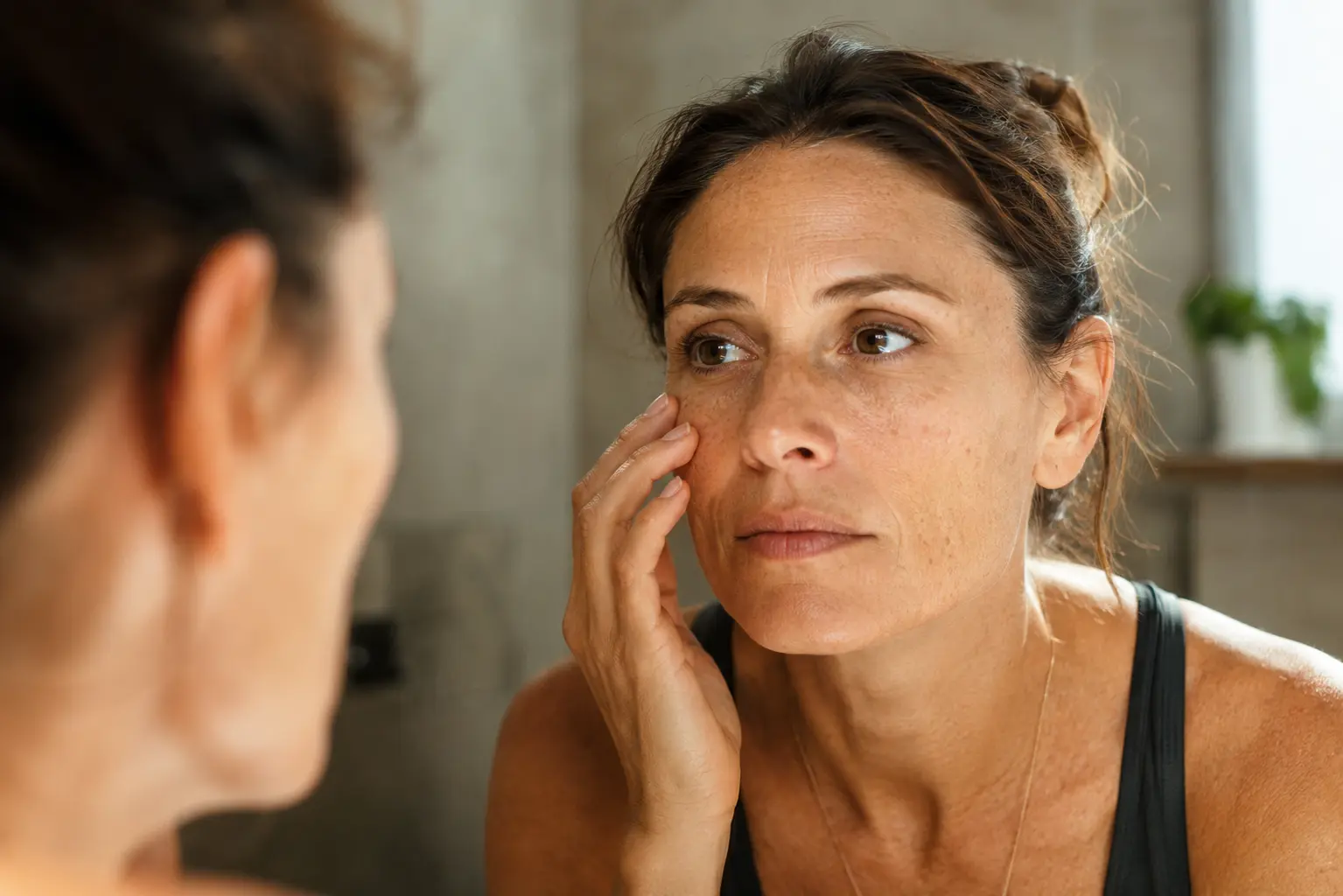
Your skin feels less bouncy than it used to, fine lines are creeping in earlier than expected, and you’re realizing that collagen loss prevention isn’t just something to worry about later in life – it’s happening right now, and understanding why matters more than you think.
Collagen: the building block of skin
Collagen is the most abundant protein in the human body, making up roughly 30 percent of all protein found in your tissues. Think of it as the scaffolding that holds everything together. In your skin, collagen provides the structural framework that keeps it firm, elastic, and resilient. When you’re young, your body produces collagen at a steady rate, which is why teenage skin tends to bounce back quickly from stress, sun exposure, or minor injuries. But here’s where it gets interesting: starting around age 25, your body begins producing about 1 percent less collagen each year. This isn’t dramatic at first, but over time it compounds. By the time you reach 40, you may have lost 10 to 20 percent of your collagen stores. The loss accelerates further after 50. This gradual decline is why you notice changes in skin texture, firmness, and the appearance of fine lines. Understanding this biological reality helps explain why prevention starting now, in your 20s and 30s, is far more effective than trying to reverse damage later.
Factors contributing to collagen loss
While aging is inevitable, several lifestyle and environmental factors dramatically speed up collagen breakdown. UV radiation is one of the most damaging culprits. When ultraviolet rays penetrate the skin, they trigger an enzyme called matrix metalloproteinase, which literally breaks down collagen fibers faster than your body can rebuild them. Smoking accelerates this process by roughly 40 percent compared to non-smokers, partly because it reduces blood flow and oxygen delivery to skin cells. Poor diet plays a significant role too. If you’re not consuming enough vitamin C, zinc, copper, or amino acids, your body lacks the raw materials needed to synthesize new collagen. Chronic stress elevates cortisol levels, which suppresses collagen production and increases inflammation. Even sleep deprivation matters: collagen repair happens primarily during deep sleep stages, so consistently getting fewer than seven hours leaves your skin in a perpetual state of incomplete recovery. Genetics also load the dice. If your parents showed early signs of aging, you may naturally produce collagen at a slower rate or break it down faster. The good news is that while you can’t change your genes, you can absolutely control most of the other factors.
Ways to preserve collagen levels
Preserving collagen requires a multi-pronged approach that addresses both external damage and internal production. Sun protection is non-negotiable. A broad-spectrum sunscreen with SPF 30 or higher blocks both UVA and UVB rays, preventing the enzyme activation that destroys collagen. Apply it daily, even on cloudy days, because UV rays penetrate clouds. Reapply every two hours if you’re outdoors. Nutrition is equally critical. Vitamin C is essential for collagen synthesis because it stabilizes the enzyme responsible for cross-linking collagen molecules, making them stronger. Zinc and copper act as cofactors in this same process. Bone broth, fatty fish like salmon, citrus fruits, berries, and leafy greens all supply these nutrients. Avoiding smoking and limiting alcohol is straightforward but powerful. Alcohol dehydrates skin and impairs the liver’s ability to process toxins, indirectly stressing collagen-producing cells. If you smoke, quitting is the single most impactful change you can make for your skin. Topical retinoids also stimulate collagen production by signaling skin cells to increase their collagen output. Starting with a low concentration and building tolerance over weeks prevents irritation while delivering real results.
- Apply a broad-spectrum sunscreen with SPF 30 or higher daily, reapplying every two hours if outdoors or after swimming.
- Include collagen-rich foods in your diet such as bone broth, wild-caught fish, citrus fruits, berries, and dark leafy greens.
- Quit smoking and reduce alcohol intake to prevent premature collagen depletion and support overall skin health.
🔬 Science-backed benefits in 2 minuteschoose where to begin:
Collagen supplements: do they work?
Collagen supplements have exploded in popularity, marketed as a shortcut to youthful skin. The reality is more nuanced. When you ingest collagen peptides, your digestive system breaks them down into amino acids and smaller peptides. These don’t magically reassemble into collagen in your skin. However, some research suggests that hydrolyzed collagen peptides may increase skin hydration and improve elasticity markers in small studies, possibly because the amino acids support your body’s own collagen synthesis. A 2019 study published in Nutrients found that women taking collagen peptides showed modest improvements in skin elasticity after eight weeks, though the effect size was small. The challenge is that most studies are funded by supplement companies, introducing bias. Additionally, collagen from animal sources may not be as bioavailable as claimed. If you’re considering supplements, focus first on the fundamentals: sun protection, diet, sleep, and stress management. These have far stronger evidence behind them. If you do try collagen supplements, give them at least eight weeks and track whether you notice changes in skin texture or hydration. Individual responses vary significantly based on genetics and overall health.
Lifestyle habits for collagen preservation
Beyond skincare and diet, your daily habits profoundly influence collagen health. Regular exercise increases blood flow, delivering more oxygen and nutrients to skin cells while promoting the removal of metabolic waste. You don’t need intense workouts; moderate activity like brisk walking, cycling, or swimming for 30 minutes most days makes a measurable difference. Sleep is where collagen repair happens. During deep sleep stages, your body increases blood flow to skin and rebuilds collagen structures damaged during the day. Consistently sleeping fewer than seven hours disrupts this repair cycle. Stress management matters because chronic stress elevates cortisol, which suppresses collagen production and increases inflammation. Meditation, yoga, journaling, or simply spending time in nature all reduce cortisol levels. Hydration supports collagen function by maintaining skin cell turgor and allowing enzymes to work efficiently. Aim for eight glasses of water daily, more if you exercise. Finally, avoid excessive heat exposure. Hot showers and saunas temporarily dehydrate skin and can trigger inflammation. Warm water is gentler. These lifestyle factors work synergistically. Someone who exercises, sleeps well, manages stress, and stays hydrated will see dramatically better skin outcomes than someone relying solely on expensive creams.
The bottom line on collagen loss prevention
Collagen loss prevention isn’t about stopping the clock entirely, because aging is a natural biological process. Instead, it’s about slowing the rate of decline and maintaining the collagen you have for as long as possible. The science is clear: sun protection, nutrient-dense eating, adequate sleep, stress management, and avoiding smoking and excessive alcohol create an environment where your body can sustain collagen production longer. Young adults have a significant advantage: you’re starting this conversation before major damage has accumulated. The collagen you preserve now in your 20s and 30s directly translates to how your skin looks and feels in your 40s and beyond. This isn’t vanity; it’s biology. Implementing these strategies requires consistency, not perfection. You don’t need to be flawless with sunscreen every single day or never have a drink, but the cumulative effect of good choices compounds over years. Think of collagen preservation as an investment in your future self. The effort you put in today pays dividends that become increasingly visible and valuable as time passes.
Collagen, the foundation of youthful skin, diminishes with age due to various factors like UV exposure, smoking, poor diet, and genetics. Taking steps such as sun protection, a nutrient-rich diet, adequate sleep, stress management, and avoiding harmful habits can help maintain optimal collagen levels naturally and slow visible signs of aging.
Can collagen supplements reverse collagen loss?
While collagen supplements may improve skin hydration and elasticity in some individuals, their ability to reverse collagen loss is not yet fully supported by scientific evidence. Most research shows modest effects at best, and your body breaks down ingested collagen into amino acids rather than using it directly. Focusing on sun protection, diet, sleep, and lifestyle factors has stronger evidence behind it.
What role does genetics play in collagen loss?
Genetics can influence the rate of collagen loss in individuals, making some more prone to premature aging due to decreased collagen production or faster collagen breakdown. However, genetics is not destiny. Environmental and lifestyle factors like sun exposure, smoking, diet, and stress often have a larger impact on collagen preservation than genetics alone.
Others also read:
Disclaimer: This article is for informational purposes only and is not a substitute for professional medical advice. Always consult a healthcare professional for personal guidance.
This article has been prepared and reviewed by the GlobalHealthBeacon editorial team and is based on current medical research and published scientific literature available in 2026. It provides structured, evidence-based information to support informed health decisions.
