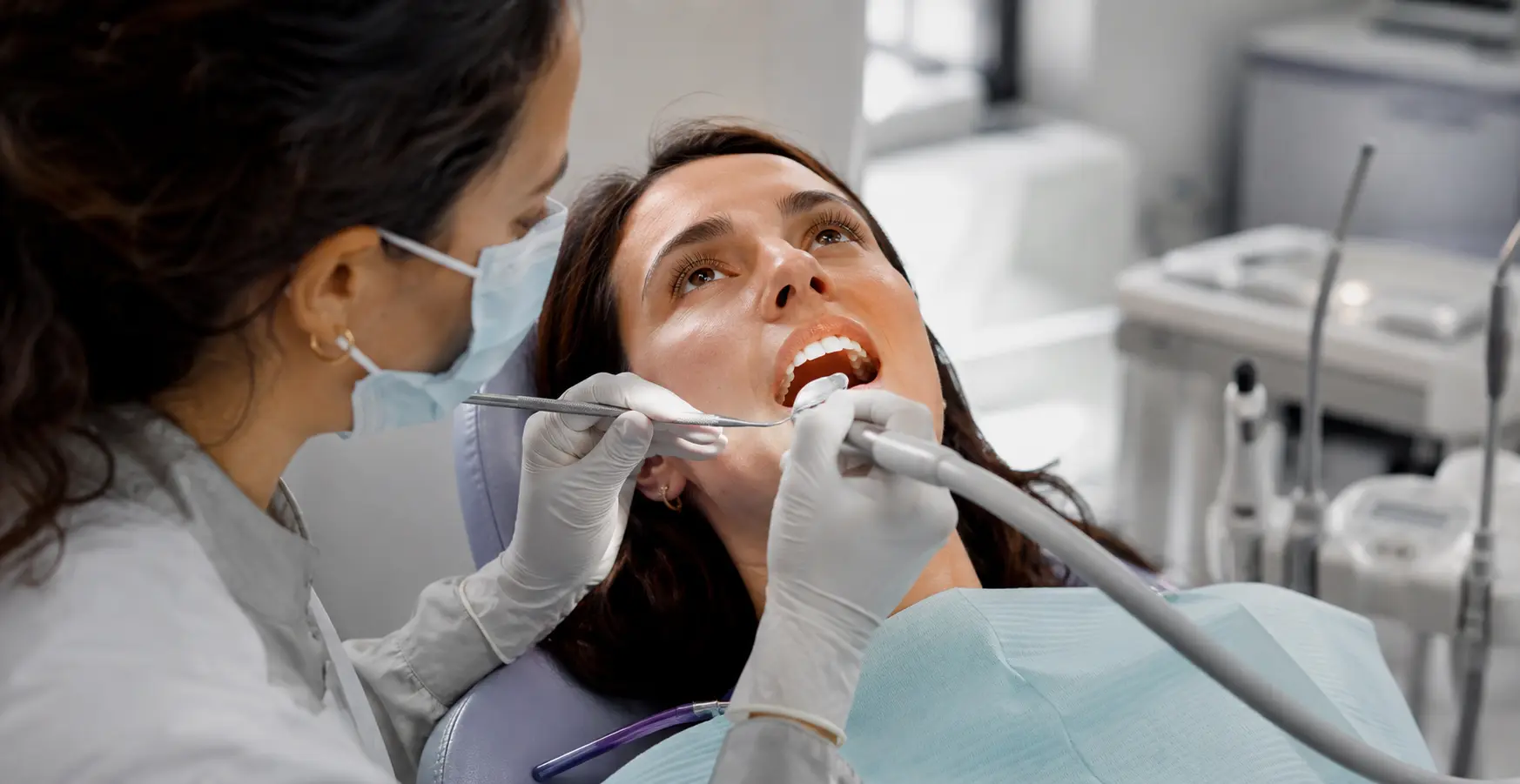
You’re tired of struggling with loose dentures, avoiding your favorite foods, and feeling self-conscious about your smile – full mouth dental implants might be the permanent solution that finally gives you back the confidence and function you’ve been missing.
Understanding full mouth dental implants
Full mouth dental implants represent a significant shift from traditional dentures, offering something closer to having your natural teeth back. The process starts with titanium posts that are surgically placed directly into your jawbone, where they gradually fuse over several months in a process called osseointegration. Think of it like planting an anchor deep into the soil so a tree can grow strong roots. Once that foundation is solid, your dentist attaches custom-made crowns or a full denture bridge on top. For many seniors, this means no more adhesives, no more slipping while eating, and no more removing teeth at night. The implants also stimulate your jawbone, which prevents the bone loss that naturally occurs when teeth are missing. Without that stimulation, your face can start to collapse inward, making you look older. Implants help you maintain your facial structure and keep that youthful contour.
- Implants consist of titanium posts that fuse with the jawbone for a strong foundation.
- Crowns or dentures are attached to the implants to restore full functionality and aesthetics.
- Implants help prevent bone loss and maintain facial structure, enhancing overall oral health.
Choosing full mouth implants: the pros and cons
The advantages of full mouth implants are substantial and life-changing for many seniors. You get improved chewing ability, meaning you can eat steak, apples, and nuts again without worry. The natural appearance is another major win – nobody will know you have implants unless you tell them. They’re durable too; with proper care, they can last your lifetime, unlike dentures that need replacing every 5 to 10 years. But let’s be honest about the downsides. The process involves oral surgery, which means recovery time and some discomfort, though anesthesia keeps you comfortable during the procedure. You’ll need good oral hygiene habits and regular dental visits to keep them healthy. The upfront cost is substantial, often ranging from 20,000 to 40,000 dollars for a full mouth, though many people view this as an investment in quality of life. Insurance rarely covers implants fully. Some seniors also worry about whether they’re healthy enough for surgery, but your dentist can evaluate this. It’s worth having an honest conversation about your medical history and any medications you’re taking.
📘 Fix your day in under 2 minuteschoose where to begin:
Recovery and maintenance tips
After your implant surgery, the first two weeks are critical for healing. You’ll likely experience some swelling and bruising, which peaks around day three or four and then gradually improves. Your dentist will give you specific post-operative instructions: avoid hot foods and drinks for the first few days, stick to soft foods like yogurt and soup, and don’t smoke or use straws, as these can disrupt the healing process. Pain is usually manageable with prescribed medication, and most people describe it as mild to moderate soreness rather than sharp pain. You’ll need to be gentle when brushing and flossing around the surgical sites. After the initial healing phase, typically 3 to 6 months, your implants integrate with the bone, and then your permanent crowns or dentures are attached. From that point forward, maintenance is straightforward: brush twice daily, floss once daily, and visit your dentist every six months. Unlike natural teeth, implants can’t get cavities, but the bone and gums around them can still develop problems if neglected. Think of it like maintaining a house – regular upkeep prevents major repairs down the road.
Are you a candidate for full mouth implants?
Not everyone is an ideal candidate, but more seniors qualify than you might think. The basic requirements include having missing teeth, healthy gums without active disease, and sufficient bone density in your jaw to support the implants. If you’ve had bone loss from years of missing teeth, you might need a bone graft first, which adds time and cost but is often worthwhile. Your age alone doesn’t disqualify you; many people in their 70s and 80s have successful implants. What matters more is your overall health. If you have uncontrolled diabetes, you’ll need to get that managed first because it affects healing. Heavy smoking can also complicate the process, though quitting before surgery significantly improves outcomes. Certain medications and conditions like osteoporosis require special consideration but aren’t automatic deal-breakers. Your dentist or oral surgeon will take X-rays, possibly a CT scan, and review your medical history to determine if you’re a good fit. They’ll also discuss whether you have the dexterity and commitment to maintain the implants properly. This evaluation conversation is crucial and honest – your dental team wants you to succeed.
The verdict: real seniors speak out
Seniors who’ve chosen full mouth implants consistently report a dramatic improvement in their quality of life. Many describe regaining confidence they thought was gone for good, no longer hesitating to smile in photos or laugh openly with friends. The practical benefits are equally impressive: they can eat normally again, enjoy social meals without anxiety, and eliminate the daily routine of removing and cleaning dentures. One common theme is the psychological shift – implants feel like reclaiming a part of yourself. Some seniors mention they forgot how much they’d been limiting themselves until after the surgery, when they realized they could finally bite into a sandwich or chew gum. The satisfaction extends to family members too, who notice the positive change in their loved one’s confidence and engagement. Of course, not every experience is identical, and some people need adjustments or additional procedures, but the overwhelming feedback is positive. The investment of time, money, and effort during the implant process pays dividends in restored function and self-assurance that lasts for decades.
Full mouth dental implants offer seniors a lasting solution to tooth loss with improved function and aesthetics. Candidates must consider the pros and cons before undergoing the procedure.
How long do full mouth dental implants last?
With proper care and maintenance, full mouth implants can last a lifetime. Regular dental check-ups and good oral hygiene practices are essential for ensuring the longevity of your implants.
Is the implant procedure painful?
During the implant surgery, local anesthesia is used to numb the area, ensuring minimal discomfort. Some post-operative soreness is normal but can be managed with pain medication prescribed by your dentist.
Others also read:
Disclaimer: This article is for informational purposes only and is not a substitute for professional medical advice. Always consult a healthcare professional for personal guidance.
This guide has been prepared and reviewed by the GlobalHealthBeacon editorial team and reflects current medical research as of 2026. It provides structured, evidence-based information to support informed health decisions.
