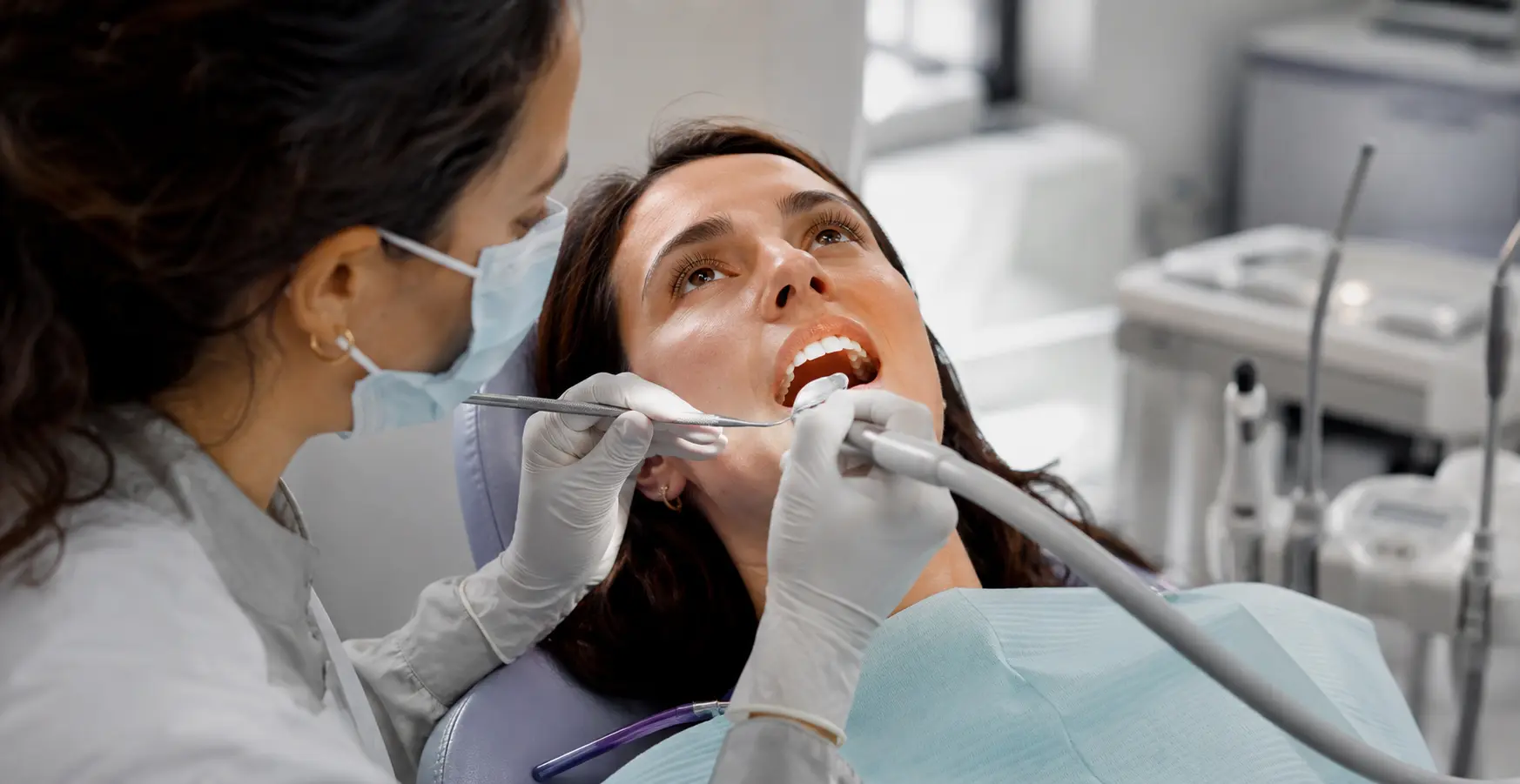
Imagine eating corn on the cob without fear, laughing without covering your mouth, or simply feeling confident in your own smile again, and that’s exactly what full mouth dental implants can restore for people dealing with extensive tooth loss.
Understanding full mouth dental implants
Full mouth dental implants represent a comprehensive solution for individuals who have lost most or all of their natural teeth. Rather than relying on removable dentures that shift and slip, this procedure anchors multiple titanium posts directly into the jawbone, creating a stable foundation for prosthetic teeth. Think of it like replacing the roots of a tree that have been damaged, allowing new growth to flourish. The process typically involves placing between 4 to 8 implants per arch, depending on bone density and individual anatomy. A 25-year-old might face this after an accident, while someone in their 60s might choose it after decades of dental issues. The goal extends beyond mere aesthetics, restoring the ability to bite with natural force, speak clearly, and maintain proper nutrition without dietary restrictions.
Mechanisms behind full mouth implants
The magic behind full mouth implants happens through a biological process called osseointegration, where the titanium implant surface actually fuses with living bone tissue over several months. Titanium was chosen for this procedure because the body recognizes it as biocompatible, meaning it doesn’t trigger rejection responses. When an implant is placed, bone cells gradually grow around and into the implant surface, creating an incredibly strong bond that can last decades. This integration process typically takes 3 to 6 months, during which the implant becomes as stable as a natural tooth root. Imagine a screw being twisted into wood versus one that’s been there for years and has become part of the wood itself, that’s the difference between a fresh implant and an integrated one. Once integration is complete, the implant can support a crown, bridge, or denture without any movement or instability.
Advantages and considerations of full mouth implants
Full mouth implants offer several compelling benefits that extend far beyond appearance. Enhanced chewing capability means you can enjoy foods you might have avoided for years, from apples to almonds, without worrying about dentures slipping. Speech clarity improves dramatically since there’s no palate coverage like traditional dentures require. However, candidacy matters significantly. You’ll need adequate jawbone density, good overall health, and realistic expectations about the timeline and investment involved. Common mistakes include rushing into the procedure without proper evaluation or neglecting the maintenance requirements afterward. Some younger patients underestimate how much their lifestyle will change positively, while older patients sometimes overestimate recovery speed. A thorough consultation reveals whether you have sufficient bone, whether you smoke (which impacts healing), and whether your health conditions like diabetes might affect integration. The procedure isn’t suitable for everyone, particularly those with untreated gum disease or severe bone loss without grafting.
- Schedule a comprehensive evaluation with a qualified implant dentist who will assess your jawbone density using 3D imaging, review your medical history, and discuss your expectations and concerns honestly.
- Engage in detailed conversations about the complete timeline, costs, potential complications, post-operative discomfort, and what your daily life will look like during the healing and integration phases.
- Follow all pre-operative instructions meticulously, including any necessary bone grafting procedures, and then commit to the post-operative care protocol including prescribed medications, dietary restrictions, and activity limitations to ensure successful osseointegration.
🔬 Science-backed benefits in 2 minuteschoose where to begin:
Long-term outlook of full mouth implants
Research consistently shows that full mouth implants have success rates between 90 to 95 percent when proper care is maintained, with many implants functioning successfully for 20 to 30 years or longer. The longevity depends heavily on your commitment to oral hygiene, regular dental visits, and lifestyle factors. Someone who brushes and flosses daily, avoids smoking, and attends check-ups every six months will likely see their implants outlast their natural teeth would have. Conversely, neglecting hygiene or grinding your teeth at night can compromise the implant-bone interface over time. Think of implants like a house: the initial construction is important, but ongoing maintenance determines whether it stands for decades or develops problems. Annual or biannual professional cleanings remove tartar buildup that home care can’t address. Some patients experience minor issues like inflammation around the implant site, which responds well to professional treatment when caught early.
Scientific research on full mouth implants
Decades of peer-reviewed research from major dental institutions worldwide support the efficacy and reliability of full mouth dental implants. Studies published in journals like the Journal of Dental Research and Clinical Oral Implants Research document high success rates, improved quality of life metrics, and restoration of normal bite force in patients with full mouth implants. Research shows that implant patients report significantly better satisfaction compared to those using traditional dentures, particularly regarding comfort, confidence, and ability to enjoy social eating situations. Long-term follow-up studies spanning 15 to 20 years demonstrate that implants remain stable and functional when maintained properly. Comparative studies reveal that implant patients experience better bone preservation in the jaw compared to denture wearers, who typically experience progressive bone loss over time. The scientific consensus is clear: full mouth implants represent one of the most predictable and successful dental interventions available today.
Future perspectives in full mouth implant science
The field of implant dentistry continues evolving rapidly with exciting developments on the horizon. Researchers are exploring advanced materials like zirconia implants that might offer alternatives to titanium, potentially benefiting patients with metal sensitivities. Digital technology and artificial intelligence are improving surgical planning and implant placement precision, reducing complications and recovery time. Regenerative techniques are being refined to help patients with severe bone loss avoid extensive grafting procedures. Some studies investigate ways to accelerate osseointegration, potentially reducing the waiting period from months to weeks. 3D printing technology is enabling custom implant designs tailored to individual anatomy. For young adults considering implants, these advancements mean future procedures will likely be faster, less invasive, and more predictable. The trajectory suggests that full mouth implants will become increasingly accessible and refined, offering even better outcomes and shorter recovery periods for future generations.
Full mouth dental implants offer a scientifically validated method for restoring oral function and aesthetics in individuals with extensive tooth loss. The osseointegration process creates a stable, long-lasting foundation that can support natural-looking prosthetic teeth for decades. Success depends on proper surgical placement, adequate bone density, and committed long-term maintenance through good oral hygiene and regular professional care. Research consistently demonstrates high success rates and significant improvements in quality of life for implant patients.
What is the success rate of full mouth dental implants?
Full mouth dental implants have success rates between 90 to 95 percent, with many implants functioning successfully for 20 to 30 years or longer. Success depends heavily on adequate jawbone density, proper surgical placement, and your commitment to oral hygiene and regular dental check-ups. Patients who maintain excellent home care and attend professional cleanings every six months typically experience the best long-term outcomes.
Are full mouth implants suitable for everyone?
Full mouth implants are not universally suitable for all individuals. Candidacy requires adequate jawbone density, good overall health, realistic expectations, and commitment to maintenance. Factors like untreated gum disease, severe bone loss without grafting, uncontrolled diabetes, active smoking, and certain medications can affect suitability. A thorough evaluation by a qualified implant dentist is essential to determine whether you’re a good candidate.
Others also read:
Disclaimer: This article is for informational purposes only and is not a substitute for professional medical advice. Always consult a healthcare professional for personal guidance.
This article has been prepared and reviewed by the GlobalHealthBeacon editorial team and is based on current medical research and published scientific literature available in 2026. It provides structured, evidence-based information to support informed health decisions.
