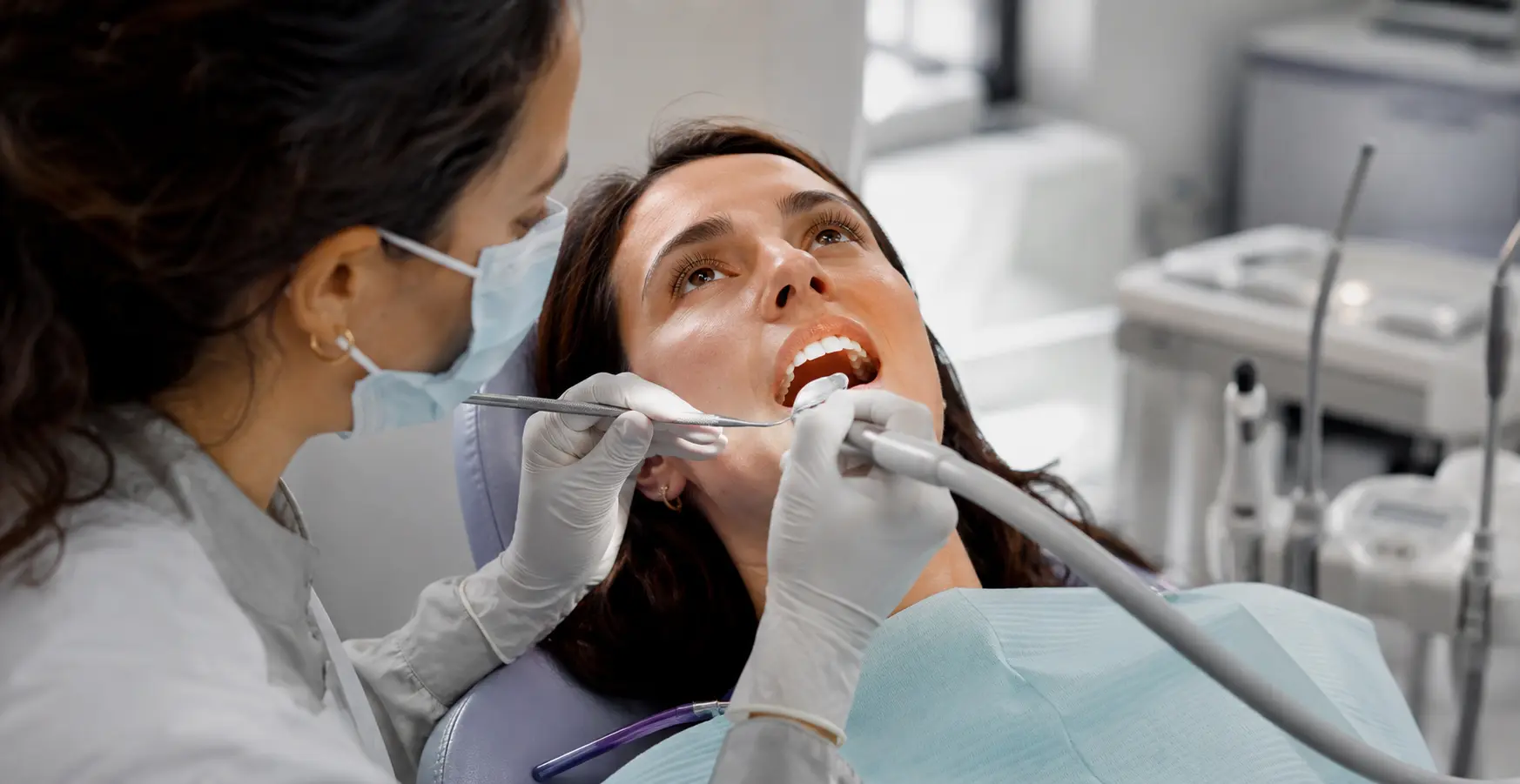
You’re tired of hiding your smile in photos, avoiding eye contact, and feeling like your teeth are holding you back from actually living your life, so let’s talk about what full mouth dental implants can actually do for you.
Understanding full mouth dental implants
Full mouth dental implants sound like something from a sci-fi movie, but they’re actually a game-changer for anyone dealing with missing teeth. Picture this: you wake up, look in the mirror, and see a complete smile staring back at you. That’s the reality. The process replaces an entire arch of teeth with implant-supported prosthetics anchored directly into your jawbone, creating something that functions and feels like your natural teeth. Unlike dentures that slip around or bridges that require grinding down healthy teeth, implants become part of your jaw. They’re not just cosmetic either. When you’re missing teeth, your jawbone starts deteriorating because it’s not getting stimulated. Implants prevent that bone loss, maintain your facial structure, and restore your ability to chew properly and speak clearly. For young adults especially, this means investing in something that could literally last the rest of your life.
- Improve chewing and speech
- Enhance facial aesthetics
- Prevent bone loss and further tooth decay
The procedure: what to expect
Here’s where things get real. Your journey starts with a consultation where your dentist becomes your partner in this transformation. They’ll take 3D scans, assess your bone density, discuss your health history, and create a customized roadmap just for you. Then comes the surgical phase. Your dentist places titanium implants directly into your jawbone through a surgical procedure. Yes, it sounds intense, but you’re numbed up and it’s typically done under local anesthesia. After surgery, you enter the integration phase, which is crucial. Your bone fuses with the implants over several months, creating an incredibly strong foundation. During this waiting period, you might wear temporary teeth so you don’t have to hide away. Once integration is complete, your dentist attaches the permanent prosthetic teeth. Some people describe the whole experience as surprisingly manageable because modern techniques have made it way less traumatic than it sounds.
💬 Ready to feel better in 2 minutes?choose where to begin:
Recovery and maintenance
The first week after surgery is the toughest. You’ll experience some swelling, maybe bruising, and you’ll need to stick to soft foods like smoothies, yogurt, and soup. Pain is usually manageable with prescribed medication and ice packs. Most people return to work within a few days, though you’ll want to avoid intense exercise for a couple of weeks. The real recovery is the bone integration period, which takes three to six months depending on your jaw. During this time, you’re protecting your investment by following your dentist’s care instructions religiously. Once everything is healed and your permanent teeth are attached, maintenance becomes straightforward. Brush and floss like you would natural teeth, attend regular dental checkups every six months, and avoid chewing on hard objects. Some people worry about implants failing, but with proper care, studies show success rates above ninety-five percent. Think of it like maintaining a car. You wouldn’t skip oil changes and expect it to run forever, right? Same concept applies here.
Embracing the change
There’s something profound about rediscovering your confidence. Before implants, you might have declined social invitations, avoided dating scenarios, or felt self-conscious eating in public. After implants, those invisible walls come down. You laugh without covering your mouth. You eat pizza without worry. You take selfies without editing. Young adults especially benefit because you’re not just fixing a problem, you’re investing in decades of uninterrupted confidence. The psychological shift is real and often underestimated. People report feeling like they got their lives back, like they can finally focus on their careers, relationships, and goals instead of constantly managing their dental situation. The transition period requires patience and adjustment, but most people say it’s one of the best decisions they’ve made. You’re not just getting teeth. You’re reclaiming the version of yourself that never had to think twice about smiling.
Full mouth dental implants offer young adults a transformative solution to missing teeth, providing not just functional benefits but also a boost in confidence and overall well-being. From the initial procedure to recovery and beyond, the implant experience is a positive step towards reclaiming your smile and enjoying life to the fullest.
How long do full mouth dental implants last?
With proper care and maintenance, full mouth dental implants can last a lifetime. Regular dental check-ups and good oral hygiene practices are essential to ensure the longevity of your implants.
Are full mouth dental implants painful?
While there may be some discomfort during the initial healing period after implant surgery, most patients report minimal pain. Your dentist will provide pain management options to keep you comfortable throughout the process.
Others also read:
Disclaimer: This article is for informational purposes only and is not a substitute for professional medical advice. Always consult a healthcare professional for personal guidance.
This article presents an experience-based perspective and has been reviewed by the GlobalHealthBeacon editorial team in 2026. It provides structured, evidence-based information to support informed health decisions.
