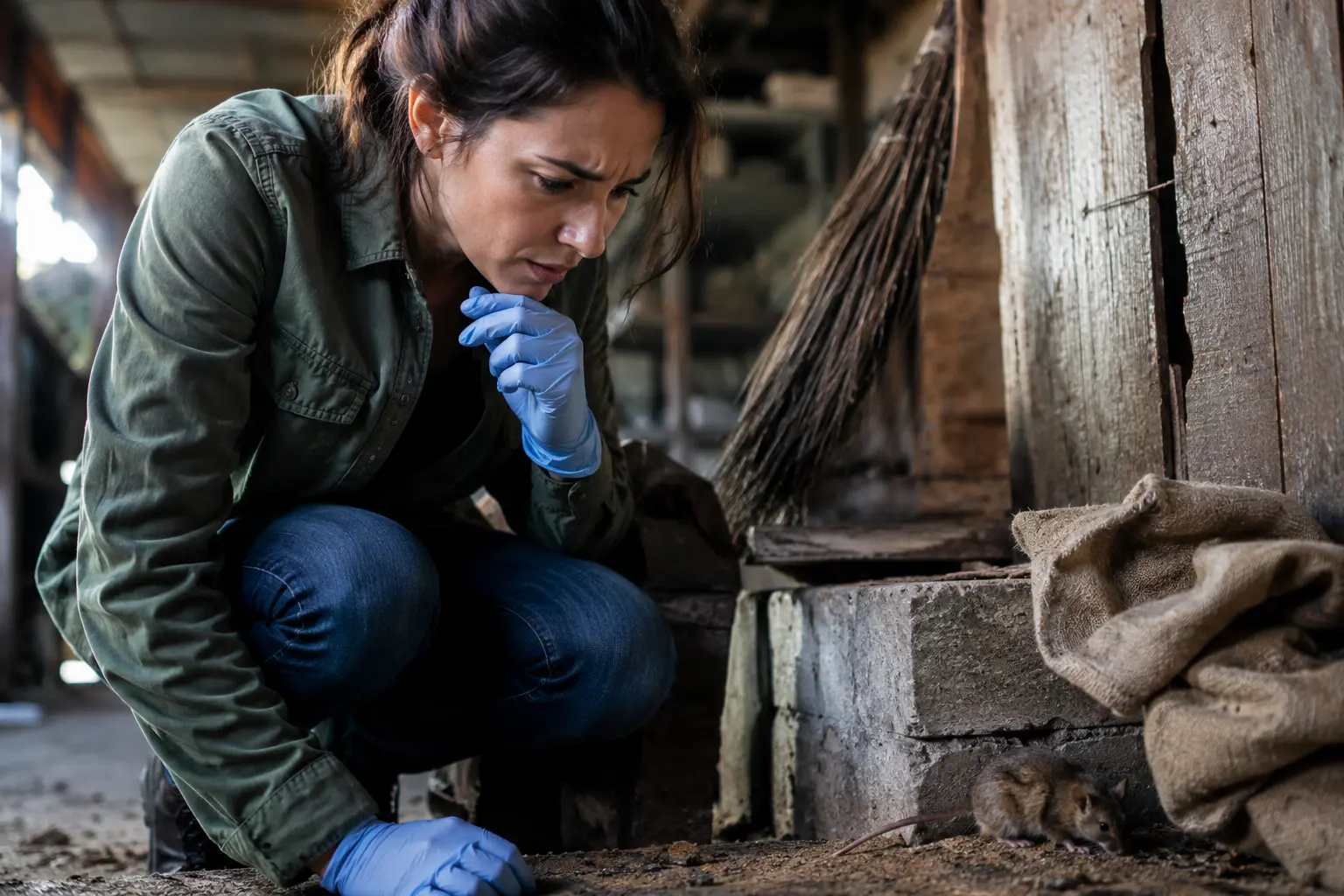
You’ve heard whispers about hantavirus online, maybe seen a scary headline, and now you’re wondering if you should actually be worried or if it’s just another overblown health scare, so let’s cut through the noise and explore the real hantavirus facts and myths that actually matter.
Understanding hantavirus
Hantavirus belongs to a family of viruses called Bunyaviridae, and it circulates primarily in wild rodent populations across North America, Europe, and Asia. When an infected rodent sheds the virus through its saliva, urine, or feces, the virus particles can become suspended in the air, especially in poorly ventilated spaces like attics, basements, or storage sheds. Picture this: you’re cleaning out a garage that’s been closed up for months, and you’re stirring up decades of dust and rodent droppings without realizing what you’re breathing in. That’s the primary transmission route. The virus doesn’t survive long outside the rodent’s body, but in enclosed environments where rodents have nested, the concentration of viral particles can be surprisingly high. Understanding this mechanism helps explain why certain occupations, like pest control workers or farmers, face elevated risk compared to the general population.
Myth busting: Human to human transmission
One of the most persistent misconceptions is that hantavirus spreads like the flu, jumping from person to person through respiratory droplets or casual contact. This simply doesn’t happen with hantavirus. The virus requires a specific biological pathway: it must be inhaled directly from contaminated rodent materials or, in extremely rare cases, ingested through food contaminated with rodent waste. Consider a household scenario where someone contracts hantavirus from their garage and then spends time with family members. Those family members won’t catch the virus from the infected person, even if they share meals, bathrooms, or sleeping spaces. This distinction is crucial because it means you can safely care for someone with hantavirus without special respiratory protection, though healthcare workers still follow standard precautions. The virus simply lacks the biological machinery to spread through human-to-human contact, which is why public health responses focus entirely on rodent control and environmental cleanup rather than quarantine measures.
Signs and symptoms
Hantavirus infection typically progresses through two distinct phases, and recognizing this timeline matters for seeking timely care. The initial phase, lasting three to four weeks, resembles a severe flu: fever, intense muscle aches, headache, and profound fatigue that makes even standing exhausting. Some people also experience gastrointestinal symptoms like nausea or vomiting. Then comes the critical phase where respiratory symptoms emerge, sometimes suddenly. Shortness of breath, chest tightness, and a dry cough signal that the virus has begun affecting the lungs, potentially leading to pulmonary edema where fluid accumulates in lung tissue. This progression is why early recognition matters so much. A young adult who attributes their symptoms to a regular cold might delay seeking medical attention until they’re struggling to breathe. The key is understanding that if you’ve had potential rodent exposure and develop fever with muscle aches that feel disproportionately severe, that’s your signal to mention the exposure history to a healthcare provider immediately, even if respiratory symptoms haven’t appeared yet.
- Symptoms may worsen rapidly, so early recognition is key. Watch for the transition from flu-like symptoms to respiratory distress, which can happen within days.
- Inform healthcare providers of any potential rodent exposure, including time spent in basements, attics, sheds, or other enclosed spaces where rodents might inhabit.
- Follow preventive measures to reduce the risk of exposure to rodents, such as sealing entry points in your home and avoiding disturbing areas with visible rodent activity without proper protective equipment.
🔬 Science-backed benefits in 2 minuteschoose where to begin:
Preventive measures
Prevention centers on a straightforward principle: minimize your exposure to rodent waste and the environments where rodents thrive. Start with your living space. Seal cracks and gaps around pipes, vents, and foundation areas where rodents can enter, using steel mesh or caulk rather than relying on foam or plastic. Store food in airtight containers and eliminate clutter where rodents might nest. If you discover rodent droppings or signs of infestation, resist the urge to sweep or vacuum them up directly, as this aerosolizes viral particles. Instead, spray the area with a disinfectant, let it sit for several minutes, then carefully wipe with damp paper towels. For outdoor work like camping or hiking in endemic areas, avoid handling dead rodents and be cautious around rodent burrows. In occupational settings, proper ventilation and respiratory protection when handling potentially contaminated materials significantly reduce risk. These measures might seem tedious, but they address the actual biological pathway of infection rather than relying on luck or immunity.
Treatment and prognosis
There’s no antiviral medication that directly targets hantavirus, which means treatment focuses on supporting your body while it fights the infection. In hospital settings, this involves careful monitoring of oxygen levels, blood pressure, and kidney function, with supplemental oxygen provided as needed. Patients with severe respiratory involvement may require mechanical ventilation, which essentially gives the lungs time to recover while the immune system clears the virus. The prognosis varies significantly based on how quickly someone receives care and how severely the virus affects their lungs. Historical data shows that early hospitalization and aggressive supportive care substantially improve survival rates. Some people recover with minimal long-term effects, while others experience lingering fatigue or reduced exercise capacity for months. The mortality rate for hantavirus pulmonary syndrome is roughly 38 percent, which sounds alarming but reflects cases that reached hospitals in advanced stages. This underscores why recognizing symptoms early and communicating your exposure history to healthcare providers genuinely changes outcomes.
Staying informed
Knowledge about hantavirus isn’t meant to fuel paranoia but to empower you with realistic risk assessment. Most young adults will never encounter this virus because infection requires specific exposure to infected rodents in enclosed spaces. However, if you work in agriculture, pest control, or spend time in rural areas, or if you’re planning to clean out a long-neglected garage or basement, understanding the actual risks and prevention strategies protects you far better than vague anxiety. Stay informed by checking local health department resources for regional rodent species and hantavirus prevalence in your area. If you suspect exposure, document the circumstances and mention them to your healthcare provider, even if you feel fine initially. The combination of awareness, practical prevention, and prompt medical attention if symptoms develop represents your best defense against this rare but serious infection.
Hantavirus is a group of viruses primarily transmitted through inhalation of particles from infected rodent waste, not through person-to-person contact. Knowing the signs, symptoms, preventive measures, and treatment options is essential for managing this infection effectively and understanding your actual risk.
Can hantavirus be transmitted from person to person?
No, hantavirus is mainly transmitted through inhalation of virus particles from rodent droppings or urine, not through person-to-person contact. You can safely care for someone with hantavirus without special respiratory protection.
What are the key symptoms of hantavirus infection?
Early symptoms of hantavirus infection include fever, muscle aches, and fatigue, which can progress to severe respiratory distress if not promptly treated. The progression from flu-like symptoms to respiratory involvement can happen within days.
Others also read:
Disclaimer: This article is for informational purposes only and is not a substitute for professional medical advice. Always consult a healthcare professional for personal guidance.
This article has been prepared and reviewed by the GlobalHealthBeacon editorial team and is based on current medical research and published scientific literature available in 2026. It provides structured, evidence-based information to support informed health decisions.
