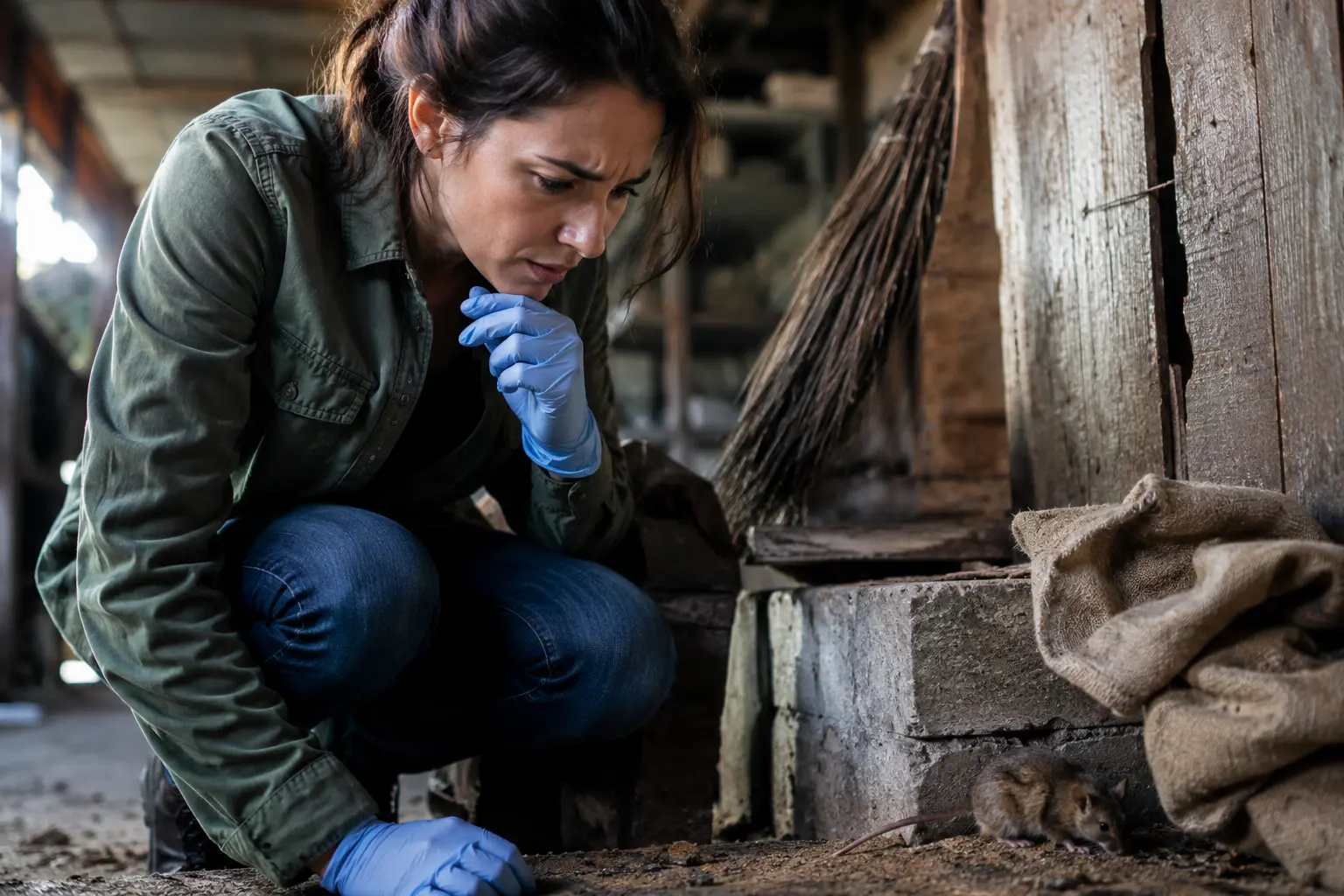
You wake up feeling unusually tired, your muscles ache like you’ve been hit by a truck, and that persistent cough won’t quit – and suddenly you’re wondering if it’s just the flu or something far more serious, because understanding hantavirus facts and myths could literally save your life.
Uncovering the truth about hantavirus
Hantavirus is a rare but serious infection that often flies under the radar because it mimics the flu so convincingly. It’s commonly transmitted when you come into contact with infected rodent urine, droppings, or saliva, often without even realizing it. Seniors are particularly vulnerable because our immune systems naturally weaken with age, making it harder to fight off severe infections. Picture this: you’re cleaning out a garage you haven’t touched in months, disturbing dust and debris where mice have nested. That’s a high-risk moment. The symptoms creep in gradually – fatigue that makes even simple tasks exhausting, muscle aches that feel like you’ve been hit by a truck, fever, chills, and a stubborn cough that develops into difficulty breathing. Many seniors mistake these early warning signs for seasonal flu, which delays critical medical attention.
- Prevent rodent infestations by sealing entry points around windows, doors, and foundation cracks with steel wool or caulk.
- Avoid disturbing rodent-infested areas and wear protective gear including gloves, masks, and eye protection if you must clean contaminated spaces.
- Seek medical attention immediately if you experience symptoms like fever, chills, cough, muscle aches, and shortness of breath, especially after potential rodent exposure.
Dispelling hantavirus myths
Here’s what trips up most people: the belief that hantavirus spreads from person to person like the flu does. It doesn’t. You can’t catch it from your neighbor, your grandchild, or anyone at your doctor’s office. This myth causes unnecessary panic and, ironically, makes people less cautious about the actual transmission route. Another common misconception is that all rodents carry hantavirus. In reality, only certain species like deer mice, white-footed mice, and cotton rats in specific regions are carriers. Understanding these distinctions matters because it helps you focus your prevention efforts on what actually poses a risk. Many seniors also believe that simply seeing a mouse means hantavirus exposure, when the real danger comes from prolonged contact with infected droppings or urine, especially in enclosed spaces with poor ventilation. Knowing the facts transforms you from someone living in vague fear into someone taking smart, targeted precautions.
💬 Ready to feel better in 2 minutes?choose where to begin:
Taking control of your environment
Your home is your sanctuary, and protecting it starts with practical, manageable steps. Begin by doing a thorough walk-through of your living space, looking for signs of rodent activity: droppings, gnaw marks on food packaging, or entry holes. Seal cracks and crevices around baseboards, pipes, and utility lines with steel wool or caulk. Store food in airtight containers rather than leaving boxes open in pantries. Keep your kitchen clean and don’t leave pet food out overnight. Consider setting traps in strategic locations, or hire a professional if you’re uncomfortable doing it yourself. For seniors with mobility challenges, this is where family members or trusted helpers become invaluable. They can help inspect hard-to-reach areas, assist with sealing entry points, and ensure your living space remains rodent-free. The goal isn’t perfection but consistent vigilance. Stay informed about hantavirus risks in your specific region by checking local health department websites, and educate yourself on safety measures regularly.
Seeking prompt medical attention
This is where hesitation can become dangerous. If you suspect exposure to hantavirus or experience concerning symptoms, don’t wait and hope it passes. Early diagnosis and treatment can significantly improve outcomes and reduce the risk of severe complications that can lead to hospitalization or worse. Think of it this way: that moment when you realize you might have been exposed or when symptoms start appearing is your window of opportunity. Contact your doctor immediately and mention your potential rodent exposure. Describe your symptoms clearly: when they started, how they’ve progressed, and any activities that might have put you at risk. Early intervention means doctors can monitor you closely, manage symptoms before they worsen, and provide supportive care that makes a real difference. Knowledge combined with quick action is your best defense. Don’t let embarrassment or uncertainty keep you from calling your healthcare provider. They need to know about potential exposures so they can help you properly.
Hantavirus is a serious infection transmitted by rodents, with symptoms that closely resemble the flu, making it easy to miss or dismiss. Seniors, with naturally compromised immune systems, need to be especially vigilant about recognizing symptoms and understanding transmission routes. By learning the facts and dispelling myths, taking control of your environment through practical prevention measures, and seeking prompt medical attention when needed, you can safeguard your health and well-being. Knowledge and quick action are your strongest tools.
Can hantavirus be transmitted through the air?
No, hantavirus is mainly spread through direct contact with rodent droppings, urine, or saliva. It is not typically transmitted through the air, though aerosolized particles in enclosed spaces with heavy contamination pose some risk, which is why ventilation matters when cleaning affected areas.
What should I do if I suspect exposure to hantavirus?
If you suspect exposure to hantavirus or experience symptoms like fever, fatigue, muscle aches, and shortness of breath, seek medical attention immediately. Tell your doctor about potential rodent exposure so they can properly evaluate you and provide early treatment, which significantly improves outcomes.
Others also read:
Disclaimer: This article is for informational purposes only and is not a substitute for professional medical advice. Always consult a healthcare professional for personal guidance.
This article presents an experience-based perspective and has been reviewed by the GlobalHealthBeacon editorial team in 2026. It provides structured, evidence-based information to support informed health decisions.
