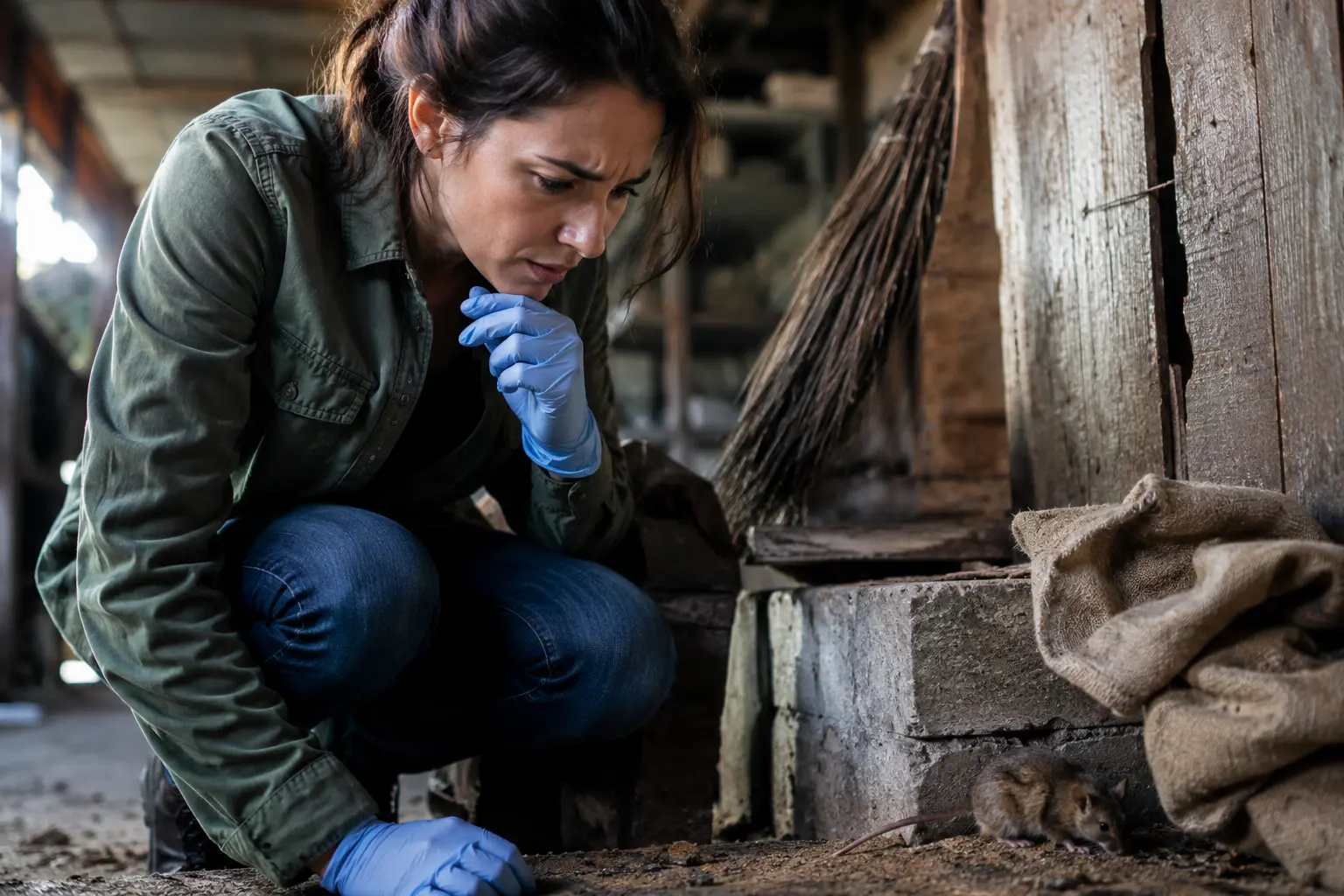
You’ve heard whispers about hantavirus, maybe felt that creeping worry when you spotted rodent droppings in the garage, and now you’re wondering if you’re actually at risk or if this is just another health scare blown out of proportion, so let’s cut through the noise and separate hantavirus facts and myths once and for all.
Understanding hantavirus transmission
Hantavirus spreads through a specific pathway that many seniors misunderstand, which is why knowing the actual mechanics matters for your safety. The virus lives in the urine, droppings, and saliva of infected rodents, primarily deer mice, but also cotton rats and rice rats depending on your region. When these droppings dry out and break apart, they release virus particles into the air that you can breathe in, or the virus can enter through cuts on your skin or mucous membranes. Picture this: you’re cleaning out a storage shed you haven’t touched in months, and decades of mouse droppings line the corners. If you’re not wearing a mask and gloves, you’re inhaling particles that could carry the virus. The good news is that transmission requires direct contact with infected rodents or their waste, not casual exposure. Seniors should focus on three key areas: preventing rodents from entering your home by sealing cracks and gaps, avoiding disturbing areas where rodents have been active, and wearing proper protective equipment when cleanup is necessary. Many seniors make the mistake of sweeping or vacuuming rodent droppings without protection, which actually spreads the virus into the air rather than containing it.
- Avoid cleaning areas with rodent droppings without proper protection.
- Keep food in sealed containers to prevent rodent contamination.
- Seek medical attention if you develop symptoms like fever, muscle aches, and fatigue post-exposure.
Dispelling common misconceptions
The myth that hantavirus spreads between people causes unnecessary panic and isolation, so let’s clear this up immediately. Hantavirus is not transmitted from person to person, meaning you cannot catch it from a family member, caregiver, or friend who is infected. This is fundamentally different from flu or cold viruses, which jump easily between people. The virus requires the rodent as its vector, and without that connection, transmission stops. Another common misconception is that all rodents carry hantavirus. They do not. Only specific species in certain geographic regions carry the virus, and even within those populations, not every individual rodent is infected. Many seniors worry excessively about any rodent encounter, but the actual risk depends on your location, the rodent species involved, and whether that particular animal carries the virus. A third misconception is that hantavirus is spread through food contamination in the same way as salmonella. While rodent droppings can contaminate food, the primary transmission route is inhalation of aerosolized particles from dried droppings, not ingestion. Understanding these distinctions helps you focus your prevention efforts where they actually matter and reduces the anxiety that comes from misinformation.
📘 Fix your day in under 2 minuteschoose where to begin:
Recognizing early symptoms
Early detection of hantavirus is critical for seniors because the infection progresses in stages, and catching it early gives you the best chance at recovery. The first phase, called the prodromal phase, typically appears 1 to 5 weeks after exposure and feels remarkably like the flu. You’ll experience fever, severe muscle aches especially in the thighs and hips, headache, chills, and fatigue so profound that you feel wiped out. Many seniors attribute these symptoms to age or seasonal illness and don’t seek care immediately. The second phase, called the cardiopulmonary phase, is when hantavirus becomes dangerous. This is when fluid builds up in your lungs, you develop a cough, shortness of breath, and your blood pressure drops. At this stage, hospitalization is necessary. The key is recognizing that if you’ve had potential rodent exposure in the past month and suddenly develop flu-like symptoms, you need to tell your doctor about that exposure history. Don’t assume it’s just a regular cold. Mention the rodent contact, describe your symptoms clearly, and ask about hantavirus testing. Early medical intervention, including supportive care and monitoring, can make the difference between a manageable illness and a serious complication.
Protective measures for seniors
Creating a hantavirus-safe environment in your home requires a multi-layered approach that becomes easier once you understand what you’re protecting against. Start with rodent prevention: seal all cracks and gaps larger than a quarter inch around your home’s foundation, pipes, and vents using steel wool and caulk. Rodents cannot chew through steel wool. Keep your kitchen clean, store food in airtight containers, and remove potential nesting materials like piles of newspapers or cardboard boxes. Ensure your home is well-ventilated, as fresh air circulation reduces the concentration of any airborne particles. When you do encounter areas with rodent activity, the cleanup process matters tremendously. Never sweep or vacuum rodent droppings dry, as this launches particles into the air. Instead, spray the area with a disinfectant solution, let it sit for a few minutes, then wipe it up with paper towels. Wear disposable gloves, an N95 mask, and eye protection. For larger infestations, consider hiring a professional pest control service that understands hantavirus risks. If you have a garage, shed, or basement where rodents might hide, inspect these spaces regularly and address any signs of activity immediately rather than letting the problem grow. Many seniors delay rodent control efforts, thinking the problem will resolve itself, but rodent populations grow quickly.
Seeking professional guidance
Your healthcare provider is your best resource for personalized hantavirus risk assessment and prevention planning tailored to your specific living situation and health status. During a regular check-up, mention if you have rodent activity in or around your home, describe your living environment, and ask your doctor about your specific risk level based on your geographic location and age-related factors. Seniors with compromised immune systems or chronic respiratory conditions face higher risks from hantavirus complications, so your medical history directly influences your prevention strategy. Your doctor can also help you understand whether you should be more aggressive with rodent control or if your current situation poses minimal risk. Additionally, contact your local health department if you’re unsure about hantavirus presence in your area. Many health departments maintain data on hantavirus cases and can tell you if the virus has been documented in your region and which rodent species are involved. If you’re planning to clean up a property with significant rodent activity, ask your doctor or health department about proper precautions and whether professional cleanup services are recommended. Building this relationship with your healthcare team creates a safety net where you’re not making decisions about hantavirus prevention in isolation but rather with professional guidance backing your choices.
Hantavirus poses a real threat to seniors, emphasizing the importance of understanding transmission, recognizing symptoms, and taking proactive measures to reduce exposure risks.
Can hantavirus be transmitted directly between people?
No, hantavirus is primarily transmitted through contact with infected rodents or their excreta, not from person to person.
What should seniors do if they suspect hantavirus exposure?
Seniors should seek medical attention immediately if they develop symptoms or suspect exposure to hantavirus for early diagnosis and appropriate care.
Others also read:
Disclaimer: This article is for informational purposes only and is not a substitute for professional medical advice. Always consult a healthcare professional for personal guidance.
This guide has been prepared and reviewed by the GlobalHealthBeacon editorial team and reflects current medical research as of 2026. It provides structured, evidence-based information to support informed health decisions.
