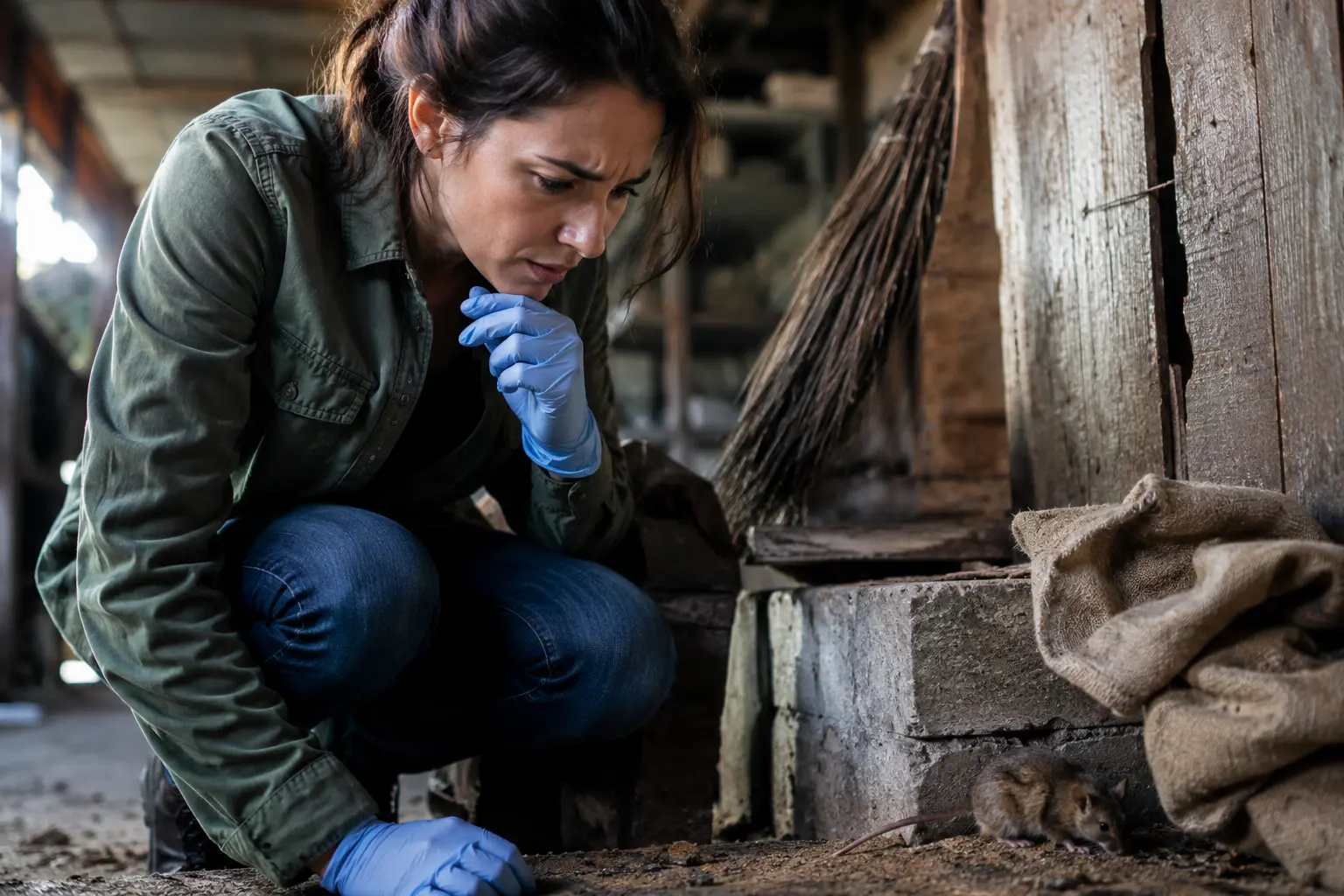
You wake up with a fever and muscle aches, and suddenly every news story about hantavirus floods your mind, leaving you wondering if you’re actually at risk or just panicking over nothing, which is exactly why understanding hantavirus facts and myths matters more than you think.
Understanding hantavirus: what you need to know
Hantavirus is a rare but serious respiratory disease that spreads through contact with infected rodents, primarily their urine, droppings, or saliva. Unlike the common cold or seasonal flu, hantavirus can progress rapidly from mild symptoms to severe respiratory complications. The virus doesn’t spread through the air like influenza does. Instead, you contract it when you inhale dust particles contaminated with infected rodent excretions or when you handle rodents directly. Picture this: you’re cleaning out your garage and disturb a mouse nest without realizing it. The particles you breathe in could carry the virus. Early symptoms mimic the flu so closely that many people initially dismiss them as seasonal illness. You might experience fever, muscle aches, fatigue, and chills for several days. Then comes the critical phase. Coughing develops, shortness of breath intensifies, and fluid can accumulate in the lungs. This progression from mild to severe can happen within days, which is why early recognition matters. Understanding this timeline helps you know when to seek medical help rather than waiting it out at home.
- Hantavirus is mainly spread through contact with infected rodent urine, droppings, or saliva, not through person-to-person contact.
- Early symptoms include fever, muscle aches, and fatigue, progressing to coughing and shortness of breath within days.
- Preventing rodent infestations in and around your home is key to reducing the risk of hantavirus infection.
Debunking common myths about hantavirus
One of the most widespread myths is that hantavirus spreads from person to person like the flu does. This simply isn’t true. You cannot catch hantavirus from someone who has it, no matter how close you are to them. This myth often causes unnecessary fear and isolation of infected individuals. Another common misconception is that all rodents carry hantavirus. In reality, only certain species of mice and rats in specific regions carry the virus. The deer mouse, found primarily in North America, is the main culprit. Your pet hamster or gerbil cannot transmit hantavirus to you. People also mistakenly believe that hantavirus is spread through food contamination or bites. While rodent droppings in food storage areas are a concern, the primary transmission route is inhalation of contaminated dust. Bites are extremely rare and not a typical transmission method. Some women worry that pregnancy automatically puts them at extreme risk. While pregnant women may experience more severe complications, most women who contract hantavirus recover with proper medical care. Understanding these distinctions helps you respond rationally rather than with panic, allowing you to focus on actual prevention strategies that work.
📘 Fix your day in under 2 minuteschoose where to begin:
Recognizing the risk factors for women
While hantavirus can affect anyone, certain groups of women face higher risks of severe complications. Pregnant women are particularly vulnerable because their immune systems naturally suppress during pregnancy to protect the developing baby. This immunological shift means their bodies struggle more to fight off serious infections like hantavirus. If you’re pregnant and exposed, complications can be more severe and may affect your pregnancy. Women with weakened immune systems from conditions like HIV, diabetes, or autoimmune disorders also face elevated risk. Those taking immunosuppressive medications for organ transplants or chronic conditions should be especially cautious. Women over 50 tend to experience more severe outcomes than younger women. Consider your personal health history. Do you have chronic lung disease, heart conditions, or obesity? These factors increase your vulnerability to respiratory complications from hantavirus. Women who work in agriculture, pest control, or wildlife management face occupational exposure risks. Even if you’re generally healthy, understanding your individual risk profile empowers you to take targeted precautions. If you fall into a higher-risk category, being extra vigilant about rodent control and seeking immediate medical attention for symptoms becomes even more critical.
Taking proactive measures: how to protect yourself
Protection starts with making your home and surroundings inhospitable to rodents. Seal all cracks and gaps in walls, foundations, and around pipes with steel wool or caulk. Rodents can squeeze through openings smaller than a dime, so be thorough. Store food in airtight containers, not in cardboard boxes that mice can easily chew through. Keep your kitchen clean, wiping down counters daily and not leaving dirty dishes out overnight. Remove clutter where rodents hide, including stacks of papers, old boxes, and dense storage areas. If you discover droppings, never sweep or vacuum them dry, as this aerosolizes particles you might inhale. Instead, spray the area with a disinfectant, let it sit for five minutes, then wipe with paper towels. Wear gloves and a mask if you’re cleaning heavily contaminated areas. Outdoors, keep grass trimmed short and remove brush piles and woodstacks away from your home. Store firewood at least 100 feet from your house. If you live in a high-risk region, consider professional pest control services. Check your home seasonally, especially before winter when rodents seek shelter indoors. These steps might seem tedious, but they’re far simpler than managing a hantavirus infection.
Seeking medical attention: when to consult a healthcare provider
Timing is everything with hantavirus. If you’ve had potential rodent exposure and develop any respiratory symptoms, contact your doctor immediately rather than waiting to see if it passes. Don’t assume it’s just a cold. Tell your healthcare provider about the exposure, including when and where it happened. This information helps them consider hantavirus in their diagnosis. Symptoms to take seriously include fever combined with muscle aches, fatigue, and any coughing or shortness of breath. Some women experience headaches and nausea alongside these symptoms. Early diagnosis allows doctors to monitor you closely and intervene if your condition worsens. There’s no specific cure for hantavirus, but supportive care in a hospital setting can be lifesaving. Doctors manage symptoms, maintain oxygen levels, and prevent complications like fluid in the lungs. If you wait until you’re severely short of breath, you’ve lost critical time for intervention. If you live in a region where hantavirus occurs and you’ve cleaned out a rodent-infested space, consider calling your doctor even before symptoms appear to discuss whether monitoring or testing makes sense. Trust your instincts. If something feels wrong, seek help. It’s always better to get checked and have it be nothing than to delay care for something serious.
Hantavirus is a rare but serious disease spread by rodents, with early symptoms resembling the flu. Understanding the facts, debunking myths, recognizing risk factors, taking proactive measures, and seeking prompt medical attention are crucial in navigating the hantavirus landscape.
Can hantavirus be transmitted from person to person?
No, hantavirus is mainly spread through contact with infected rodents and their excretions. Human-to-human transmission is extremely rare.
What are the key preventive measures against hantavirus?
Preventive measures include sealing up potential entry points for rodents, maintaining a clean living space, and avoiding contact with rodent droppings.
Others also read:
Disclaimer: This article is for informational purposes only and is not a substitute for professional medical advice. Always consult a healthcare professional for personal guidance.
This guide has been prepared and reviewed by the GlobalHealthBeacon editorial team and reflects current medical research as of 2026. It provides structured, evidence-based information to support informed health decisions.
