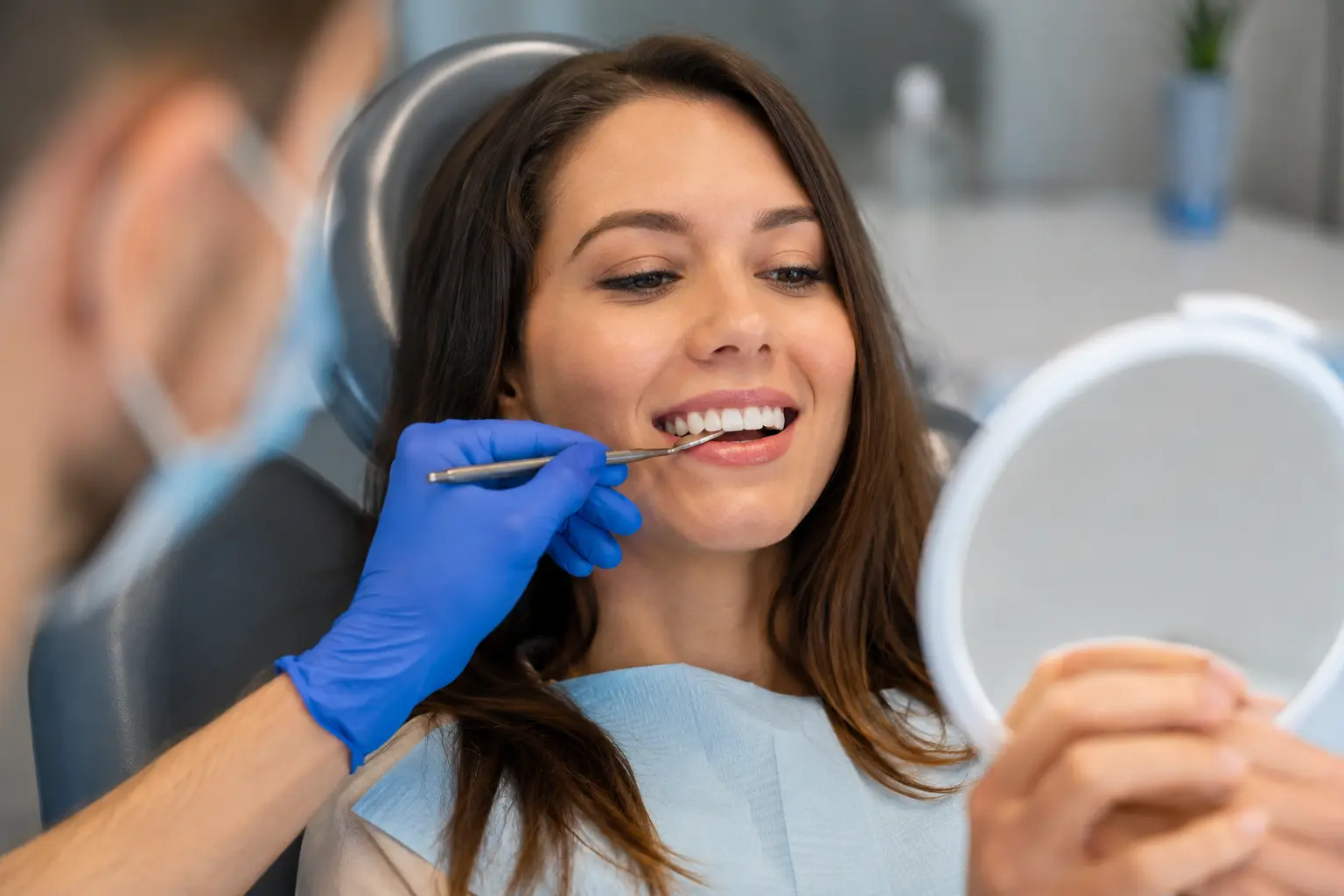
You catch your reflection and notice that chip on your front tooth, or maybe your smile just feels a little off – and you’re wondering if there’s a quick fix that won’t drain your wallet or take months to complete, which is exactly where cosmetic dental bonding comes in.
Understanding cosmetic dental bonding
Cosmetic dental bonding is a straightforward procedure where your dentist applies a tooth-colored resin material directly to your teeth to fix cosmetic issues. Think of it like sculpting your smile. The resin gets hardened with a special light, creating a bond that reshapes or repairs the tooth. Young adults often choose bonding because it addresses common concerns: that small chip from a sports accident, discoloration that whitening alone won’t fix, slight gaps between teeth, or uneven edges. Unlike veneers or crowns, bonding doesn’t require removing tooth structure or multiple appointments. Your dentist can complete the entire process in one visit, sometimes even during your lunch break. The material blends seamlessly with your natural teeth, so nobody needs to know you had work done unless you tell them.
- Non-invasive procedure that preserves your natural tooth structure
- Improves the aesthetics of your smile with immediate visible results
- Can be completed in a single visit to the dentist
Pros and cons of dental bonding
Dental bonding delivers real advantages for young adults on a budget. It costs significantly less than veneers or crowns, typically running between 100 and 400 dollars per tooth depending on the extent of work. You get results instantly without waiting weeks for lab work. The procedure is reversible, and if you change your mind later, your dentist can remove it. However, bonding material isn’t as tough as your natural enamel. It can stain from coffee, red wine, or tobacco, and it’s more prone to chipping than veneers. The resin also wears down over time, especially if you bite your nails, chew ice, or grind your teeth at night. Most bonding lasts between three to ten years before needing touch-ups or replacement. If you’re looking for a permanent solution or have extensive damage, bonding might feel like a temporary patch rather than a lasting fix.
📘 Fix your day in under 2 minuteschoose where to begin:
Maintaining dental bonding
Keeping your bonded teeth in good shape requires intentional habits, but nothing complicated. Brush twice daily with a soft-bristled toothbrush and non-abrasive toothpaste, since aggressive scrubbing can damage the resin surface. Floss daily to prevent decay at the bond line where bacteria can sneak in. Avoid hard foods like nuts, hard candy, or ice that can crack the material. Skip using your teeth as tools to open packages or bottles. If you grind your teeth at night, ask your dentist about a night guard to protect your bonding. Schedule dental check-ups every six months so your dentist can spot early wear and address it before it becomes a bigger problem. Limit staining foods and drinks, or use a straw when consuming coffee or wine. Small preventive actions add years to your bonding’s lifespan and save you money on repairs.
Alternatives to dental bonding
If bonding doesn’t feel right for your situation, other options exist. Porcelain veneers are thinner shells that cover the front of your teeth and last much longer, typically 10 to 15 years, but they cost more and require some tooth preparation. Dental crowns work better for teeth with significant damage or decay, completely covering the tooth for maximum protection and durability. Teeth whitening treatments address discoloration without any invasive work, though they won’t fix chips or gaps. Orthodontics or clear aligners straighten misaligned teeth if spacing is your main concern. Some young adults combine treatments, using bonding for a small chip while pursuing whitening for overall brightness. Your dentist can evaluate your specific situation and explain which option offers the best value and longevity for your goals.
Final thoughts on dental bonding
Cosmetic dental bonding works well for young adults dealing with minor to moderate cosmetic imperfections who want fast, affordable results. It’s realistic to expect your bonding to last several years with proper care, and touch-ups are simple and quick. The key is understanding that bonding is a practical solution for now, not necessarily forever. If you’re someone who takes care of your teeth and doesn’t have habits that damage bonding, you’ll likely be satisfied. Before committing, have an honest conversation with your dentist about your expectations, how long your bonding might last given your lifestyle, and what happens when it eventually needs replacement. This helps you make a decision that aligns with both your budget and your long-term smile goals.
Cosmetic dental bonding is a non-invasive and cost-effective way to enhance your smile, but it may not be as durable as other options. Practicing good oral hygiene is crucial for maintaining bonded teeth, and consulting with your dentist for personalized advice is recommended.
Is dental bonding a permanent solution?
Dental bonding is not considered a permanent solution and may need touch-ups or replacements over time, depending on your oral habits and the quality of the bonding material used.
Is dental bonding painful?
Dental bonding is a painless procedure that does not typically require anesthesia. However, some patients may experience sensitivity during or after the treatment.
Others also read:
Disclaimer: This article is for informational purposes only and is not a substitute for professional medical advice. Always consult a healthcare professional for personal guidance.
This guide has been prepared and reviewed by the GlobalHealthBeacon editorial team and reflects current medical research as of 2026. It provides structured, evidence-based information to support informed health decisions.
