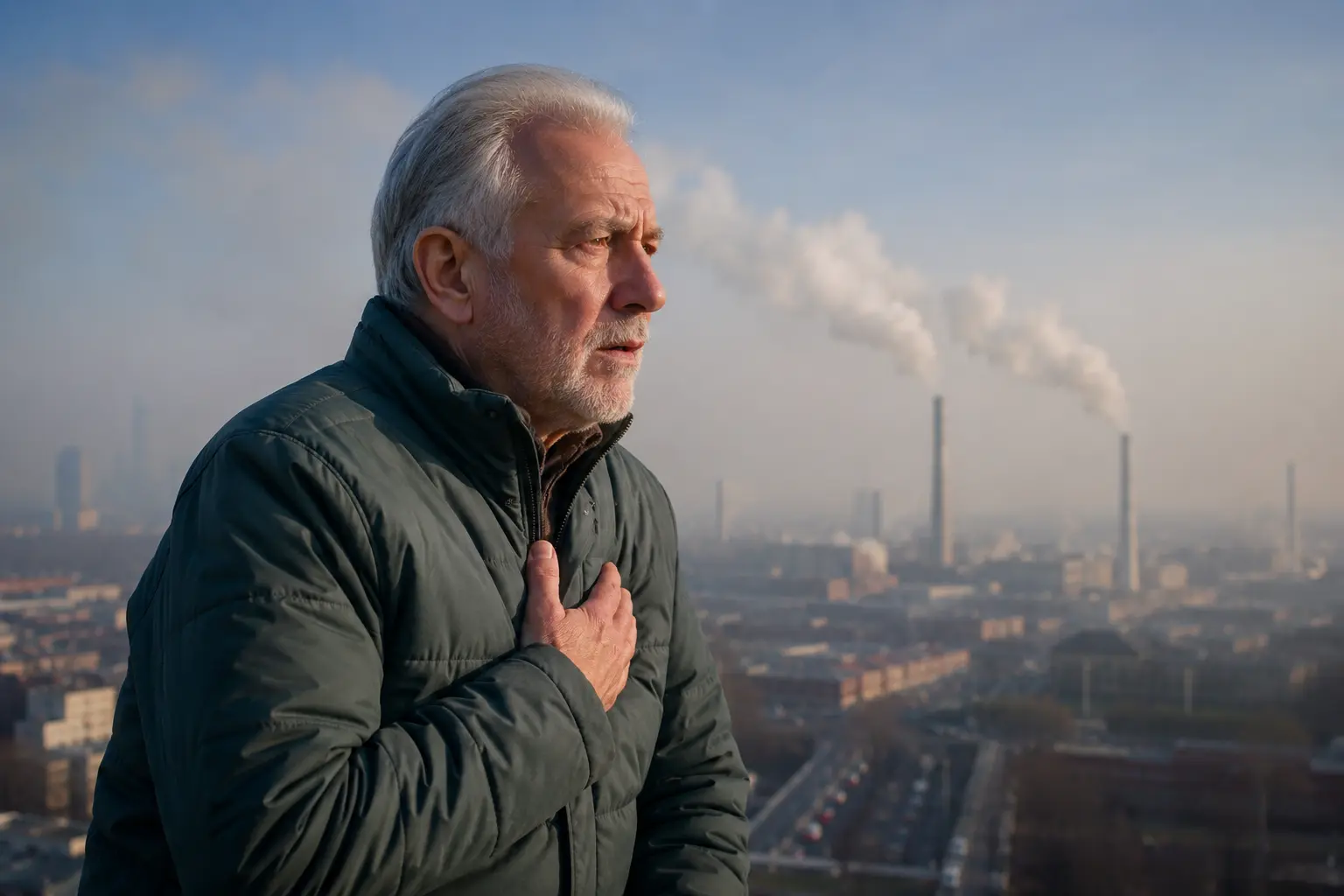
Every breath feels like a negotiation when you’re dealing with COPD and air quality becomes your invisible enemy, turning a simple walk outside into a calculated risk that leaves you wheezing and frustrated.
The connection between COPD and air quality
Chronic Obstructive Pulmonary Disease, or COPD, is a progressive inflammatory condition that narrows your airways and makes breathing feel like you’re pulling air through a straw. Your lungs lose their elasticity, and the tiny air sacs that normally exchange oxygen become damaged and less efficient. When air quality deteriorates, this existing damage gets amplified. Think of it like this: if your lungs are already operating at 60 percent capacity, poor air quality doesn’t just inconvenience you, it can drop that number to 40 percent or lower. Pollutants in the air trigger inflammatory responses in your airways, causing them to swell further and produce excess mucus. A young adult with COPD might notice that on high pollution days, their baseline breathlessness worsens, their cough intensifies, and activities they normally manage become exhausting. The relationship between COPD and air quality isn’t just about discomfort; it’s about understanding how environmental factors directly interact with your respiratory system’s already compromised function.
Impact of air pollutants on COPD
Air pollutants work like tiny invaders in your respiratory system. Particulate matter, those microscopic particles from vehicle exhaust and industrial emissions, can penetrate deep into your lungs and lodge in the alveoli where gas exchange happens. Ozone, created when sunlight reacts with vehicle emissions, irritates your airways and triggers inflammation. Nitrogen dioxide from traffic and power plants does similar damage. When these pollutants enter lungs already weakened by COPD, they create oxidative stress, essentially accelerating cellular damage. Your body’s natural defense mechanisms become overwhelmed. The mucus-producing cells in your airways go into overdrive, creating thick secretions that block airflow. Your bronchial tubes constrict further, making each breath require more effort. A young adult might experience this as sudden wheezing episodes, increased nighttime coughing, or that heavy feeling in their chest after being outside on a smoggy day. Research shows that exposure to high pollution levels can increase COPD exacerbations by 20 to 30 percent, meaning more hospital visits and more days feeling genuinely unwell.
Mitigating the effects of air pollution on COPD
Protecting yourself from air pollution requires both awareness and action. Start by checking your local air quality index daily, just like you’d check the weather. Apps like AirNow or your local environmental agency’s website show real-time pollution levels and forecasts. On days when the Air Quality Index exceeds 150, consider keeping outdoor activities minimal or moving them indoors. This isn’t about living in fear; it’s about making informed choices. At home, invest in a HEPA filter air purifier for your bedroom and main living spaces where you spend the most time. Keep windows closed on high pollution days, even though fresh air feels good. Use your car’s recirculation mode during commutes through heavy traffic. If you must go outside on poor air quality days, wearing an N95 or P100 mask can filter out harmful particles, though it requires proper fitting. Some young adults find that adjusting their exercise routine to early morning hours, when pollution levels are typically lower, helps them stay active without triggering symptoms. Small changes compound into meaningful protection.
- Check air quality index daily using apps or local environmental websites.
- Stay indoors or limit outdoor time when AQI exceeds 150.
- Use HEPA filter air purifiers in bedrooms and main living areas.
- Keep car windows closed and use recirculation mode during commutes.
- Wear properly fitted N95 masks when outdoor exposure is unavoidable.
- Schedule outdoor exercise during early morning hours when pollution is lower.
🔬 Science-backed benefits in 2 minuteschoose where to begin:
Protecting respiratory health
Young adults with COPD face a unique challenge: you’re at an age where independence and social activity matter, yet your lungs require careful management. Protecting your respiratory health means being intentional about your environment without letting COPD define your entire life. Follow your prescribed medications consistently, even on days when you feel fine. Inhalers and other treatments work best as prevention, not just emergency response. Avoid secondhand smoke aggressively; it’s as harmful as outdoor pollution for your airways. Stay hydrated, which helps thin mucus and makes it easier to clear from your lungs. Regular, gentle exercise like walking or swimming strengthens your respiratory muscles and improves oxygen efficiency. Manage stress through meditation or breathing exercises, since anxiety can trigger or worsen symptoms. Think of respiratory health as a multi-layered approach: medication, environment, lifestyle, and mindset all work together. When you’re vigilant about these factors, you’re not just managing COPD; you’re actively preserving your lung function for years to come.
Future research and implications
Scientists are actively investigating how specific air pollutants interact with COPD at the cellular level. Recent studies examine whether certain pollutants accelerate lung function decline faster than others, and whether genetic factors make some people more susceptible to pollution-related COPD exacerbations. Researchers are exploring whether anti-inflammatory treatments might offer additional protection on high pollution days. Some studies investigate whether air quality improvements in communities actually lead to measurable improvements in COPD outcomes. This emerging research could lead to personalized recommendations based on your specific COPD type and pollution sensitivity. Understanding these mechanisms helps doctors develop better prevention strategies and interventions. For young adults with COPD, this research matters because it could eventually mean more targeted treatments, better predictive tools for exacerbation risk, and evidence-based guidelines tailored to your age group and lifestyle. As this field advances, staying informed about new findings helps you make smarter decisions about your health.
Lifestyle modifications and COPD
Managing COPD effectively requires lifestyle changes that work with your body, not against it. Regular physical activity strengthens your diaphragm and intercostal muscles, improving your breathing efficiency. Start slowly if you’re new to exercise; even 20 minutes of walking most days makes a measurable difference. Nutrition matters more than you might think: foods rich in antioxidants like berries, leafy greens, and fatty fish help reduce inflammation in your airways. Limit foods that promote inflammation, like processed items high in omega-6 oils. Sleep quality directly impacts respiratory function, so maintain consistent sleep schedules and create a clean bedroom environment with good air filtration. Stress management through yoga, meditation, or simply spending time in nature reduces cortisol levels, which can trigger inflammation. Avoid respiratory irritants like strong perfumes, cleaning chemicals, and smoke. Some young adults find that keeping a symptom diary helps identify personal triggers beyond air pollution, like specific foods or activities that worsen their symptoms. These modifications create a foundation that makes your body more resilient to environmental stressors.
COPD and air quality are deeply interconnected, with poor air quality triggering inflammation and worsening symptoms in people with compromised lungs. Young adults with COPD can protect themselves by monitoring air quality daily, limiting outdoor exposure on high pollution days, using HEPA air purifiers at home, and wearing appropriate masks when necessary. Beyond environmental management, consistent medication use, regular exercise, healthy nutrition, and stress management create a comprehensive approach to respiratory health. Understanding how pollutants damage already vulnerable lungs empowers you to make informed decisions about when and how to engage with your environment.
What are the common symptoms of COPD exacerbated by air pollution?
When air pollution triggers COPD symptoms, you typically experience increased coughing that’s often more productive with mucus, wheezing that sounds like a whistling in your chest, shortness of breath that happens with less exertion than usual, and chest tightness or heaviness. Some people also report fatigue, difficulty sleeping due to nighttime coughing, and anxiety about breathing. These symptoms usually develop within hours of exposure to high pollution levels and can persist for days after air quality improves.
How can young adults reduce their exposure to air pollution?
Young adults can reduce pollution exposure by checking the air quality index daily and planning outdoor activities accordingly, staying indoors on high pollution days or wearing N95 masks if outdoor time is necessary, using HEPA filter air purifiers in bedrooms and living spaces, keeping car windows closed during commutes and using recirculation mode, scheduling exercise during early morning hours when pollution is typically lower, and avoiding areas with heavy traffic or industrial emissions. Additionally, maintaining your vehicle properly and supporting local air quality initiatives contributes to broader pollution reduction.
Others also read:
Disclaimer: This article is for informational purposes only and is not a substitute for professional medical advice. Always consult a healthcare professional for personal guidance.
This article has been prepared and reviewed by the GlobalHealthBeacon editorial team and is based on current medical research and published scientific literature available in 2026. It provides structured, evidence-based information to support informed health decisions.
