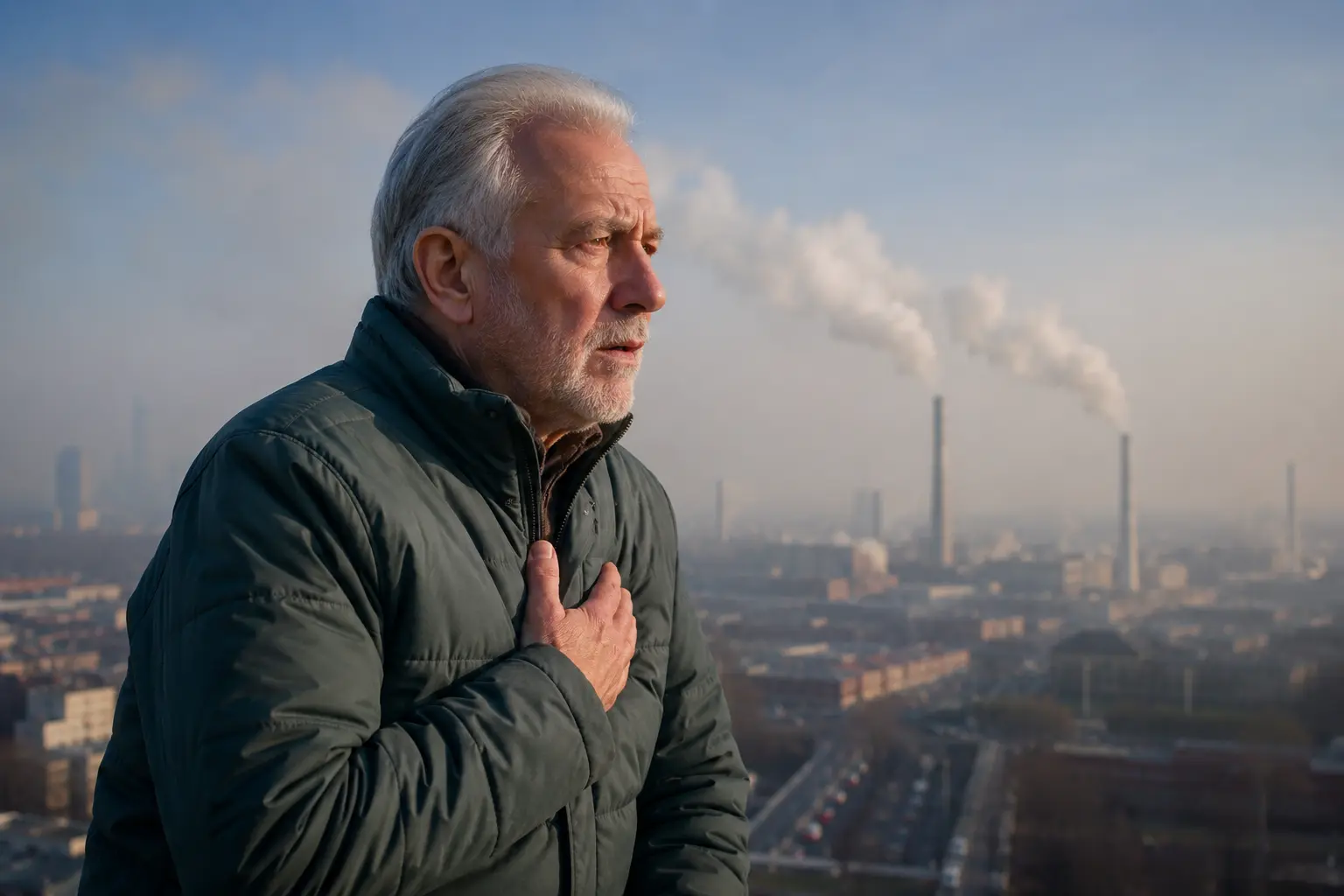
You step outside for your morning walk and within minutes your chest tightens, your breathing becomes shallow, and you realize the haze in the air means another difficult day ahead when you’re dealing with COPD and air quality issues that feel completely out of your control.
Understanding COPD and its link to air quality
Living with COPD means your lungs are already working harder than they should be, and when poor air quality enters the picture, it becomes a real struggle. Picture this: Margaret, a 68-year-old retired teacher, used to enjoy her daily neighborhood strolls until she noticed that on days when the air quality index spiked, her breathing became labored and exhausting. Pollutants like smoke from wildfires, dust particles, and chemical emissions don’t just irritate healthy lungs; they trigger inflammation in airways already compromised by COPD. When seniors breathe in these pollutants, their lungs work overtime to filter out harmful particles, leading to increased coughing, wheezing, and that desperate gasping sensation that makes even simple activities feel impossible. Understanding this connection helps seniors recognize why certain days feel harder and why their symptoms seem to worsen without obvious reasons.
- Air pollution can trigger COPD symptoms within minutes of exposure.
- Seniors with COPD should avoid exposure to polluted air whenever possible.
- Improving indoor air quality can help alleviate breathing difficulties significantly.
Adapting daily routines for better breathing
Small, intentional changes to your daily habits can make a surprising difference in how you breathe. Start by checking your local air quality index each morning before planning your day; if it’s unhealthy, keep outdoor activities brief or move them indoors. Many seniors find that investing in a quality HEPA air purifier for their bedroom transforms their sleep quality and morning breathing. On high pollution days, keep windows closed even if the fresh air feels tempting, and consider wearing an N95 mask during necessary outdoor trips. Robert, a 72-year-old with COPD, started timing his walks for early morning when pollution levels tend to be lower, and he noticed his breathing improved dramatically. You might also try staying in air-conditioned spaces during peak pollution hours, using a humidifier to keep airways moist, and avoiding strenuous outdoor exercise on poor air quality days. These aren’t restrictions; they’re strategic choices that give your lungs the best fighting chance.
💬 Ready to feel better in 2 minutes?choose where to begin:
Seeking professional advice and support
Your healthcare provider isn’t just there for emergencies; they’re your partner in managing COPD day to day. When you visit your doctor, bring a journal noting which days your symptoms worsened and what the air quality was like, helping them identify your specific triggers. Many pulmonologists now discuss air quality management as part of their COPD treatment plans, and some can recommend personalized strategies based on where you live and your individual lung function. Don’t hesitate to ask about rescue inhalers, preventive medications, or breathing techniques that might help during high pollution days. Some seniors benefit from working with a respiratory therapist who teaches proper inhaler technique and breathing exercises specifically designed for poor air quality situations. Your doctor might also connect you with local resources, air quality alerts, or support groups where other seniors share their coping strategies. This professional guidance transforms you from feeling helpless to feeling informed and equipped.
Embracing lifestyle modifications for enhanced respiratory health
Beyond avoiding pollution, what you do with your body matters tremendously for lung health. Regular gentle exercise like walking, swimming, or tai chi strengthens your respiratory muscles and improves oxygen circulation, but timing matters on poor air quality days. A nutritious diet rich in antioxidants from fruits, vegetables, and omega-3 fatty acids helps reduce inflammation in your airways; think colorful berries, leafy greens, and fish rather than processed foods that can trigger inflammation. Staying hydrated by drinking plenty of water keeps mucus thin and easier to clear from your lungs. Equally important is avoiding secondhand smoke, household chemicals, and strong perfumes that can irritate sensitive airways. Many seniors find that stress management through meditation, gentle stretching, or time with loved ones reduces tension that often worsens breathing difficulties. These lifestyle choices aren’t just about managing COPD; they’re about reclaiming your independence and enjoying the activities you love, even on challenging air quality days.
Understanding the impact of poor air quality on COPD symptoms is crucial for seniors. By adapting daily routines, seeking professional advice, and embracing lifestyle modifications, seniors can breathe better and experience enhanced respiratory health.
How does air quality affect COPD symptoms?
Poor air quality, filled with pollutants like smoke and dust, can worsen COPD symptoms and make it harder for seniors to breathe comfortably. Avoiding exposure to polluted air and improving indoor air quality can help alleviate breathing difficulties.
What lifestyle changes can seniors with COPD make for better respiratory health?
Seniors with COPD can improve their respiratory health by engaging in physical activity, following a healthy diet, staying hydrated, and avoiding exposure to harmful environmental toxins. These lifestyle modifications can reduce COPD symptoms and enhance overall well-being.
Others also read:
Disclaimer: This article is for informational purposes only and is not a substitute for professional medical advice. Always consult a healthcare professional for personal guidance.
This article presents an experience-based perspective and has been reviewed by the GlobalHealthBeacon editorial team in 2026. It provides structured, evidence-based information to support informed health decisions.
