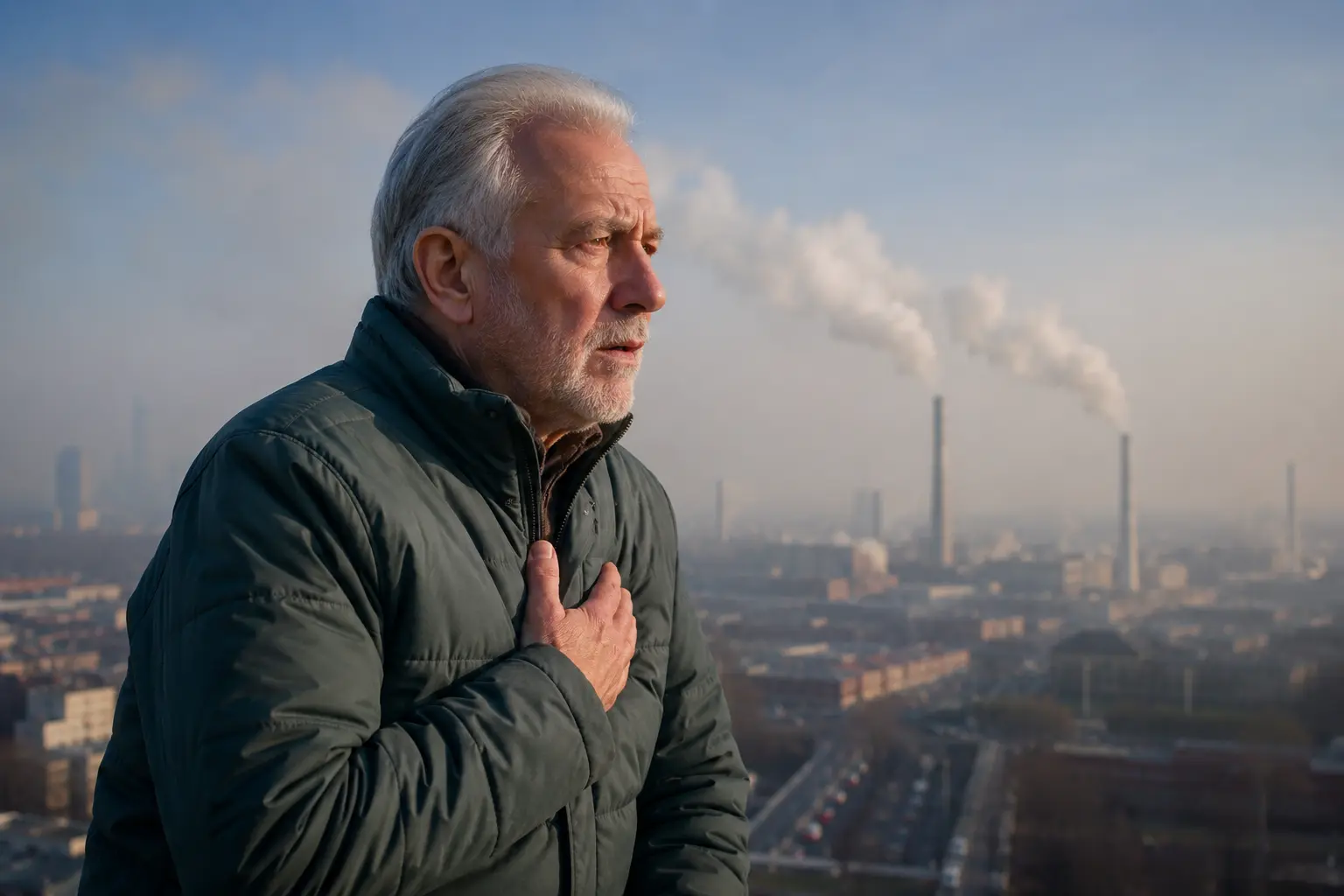
If you’re struggling to catch your breath on smoggy days or feeling that familiar tightness creeping in when pollution spikes, you’re not alone – the connection between copd and air quality is real, measurable, and something you can actually do something about.
Understanding the basics of COPD
Chronic Obstructive Pulmonary Disease, commonly known as COPD, represents a group of progressive lung conditions that gradually make breathing more difficult over time. The disease typically encompasses chronic bronchitis, where the airways become inflamed and produce excess mucus, and emphysema, which involves damage to the air sacs in the lungs. For many seniors, COPD develops slowly, sometimes over decades, often linked to smoking history or long-term exposure to harmful substances. The hallmark symptoms include a persistent cough that may produce mucus, wheezing sounds when breathing, shortness of breath especially during physical activity, and chest tightness. Consider Margaret, a 68-year-old former smoker who noticed her morning cough gradually worsening over five years. What started as occasional wheezing during her garden walks became a daily struggle. Understanding COPD means recognizing it as a disease affecting how your lungs exchange oxygen and carbon dioxide, making even simple activities feel exhausting.
The link between COPD and air quality
The relationship between air quality and COPD is scientifically well-established. When you have COPD, your airways are already compromised and inflamed. Exposure to air pollution introduces additional irritants that trigger a cascade of inflammatory responses in your lungs. Particulate matter, those tiny particles suspended in air from vehicle emissions and industrial sources, can penetrate deep into your lungs and lodge in the damaged air sacs. Ozone, a component of smog formed when sunlight reacts with pollution, directly irritates the airway lining. Nitrogen dioxide from traffic and sulfur dioxide from power plants further compromise your respiratory function. Research shows that seniors with COPD experience measurable increases in symptoms and hospital visits during high pollution days. Think of your lungs like a filter that’s already partially clogged. Adding more pollutants to that system forces it to work harder, faster, and less efficiently. On days when the air quality index climbs, many COPD patients report increased coughing, more frequent use of rescue inhalers, and noticeable fatigue.
How to manage COPD in relation to air quality
Managing COPD effectively requires a multi-layered approach that accounts for both indoor and outdoor air quality. First, stay informed about daily air quality reports, which are typically available through your local weather service or dedicated air quality apps that provide hourly updates. On days when the air quality index reaches unhealthy levels, limiting outdoor activities becomes essential. This doesn’t mean staying completely sedentary, but rather shifting your exercise routine indoors or choosing times when pollution levels are lower, typically early morning before traffic builds. Second, create a clean air sanctuary in your home by using HEPA-filter air purifiers in your bedroom and main living areas. These devices capture particles as small as 0.3 microns, significantly reducing indoor pollutant concentrations. Third, be strategic about ventilation. While fresh air is important, during high pollution days keep windows and doors closed, especially during peak traffic hours between 7-9 AM and 4-6 PM when outdoor pollution concentrates. Fourth, maintain your COPD medications exactly as prescribed, because proper medication management becomes even more critical when air quality is poor. Finally, consider wearing an N95 mask during outdoor activities on high pollution days, though discuss this with your healthcare provider first to ensure it doesn’t restrict your breathing uncomfortably.
- Monitor air quality reports regularly using your smartphone or local weather service to plan your daily activities accordingly.
- Consult with your healthcare provider for personalized advice on managing your specific COPD triggers and medication adjustments during poor air quality events.
- Practice good respiratory hygiene by keeping your home clean, changing air filter regularly, and avoiding secondhand smoke and strong chemical odors that compound air quality issues.
🔬 Science-backed benefits in 2 minuteschoose where to begin:
The importance of proper ventilation
Ventilation in your home plays a surprisingly critical role in COPD management, yet many seniors overlook this aspect. Good ventilation means having adequate air exchange that removes stale air, excess moisture, and indoor pollutants while bringing in fresh outdoor air. However, the strategy changes based on outdoor air quality. On clean air days, opening windows for 15-20 minutes several times daily helps flush out indoor pollutants like cooking fumes, dust, pet dander, and volatile organic compounds from household products. On poor air quality days, this approach backfires, so you’ll want to keep windows sealed and rely on mechanical ventilation systems with proper filtration. Bathrooms and kitchens need particular attention because moisture and cooking byproducts can trigger COPD symptoms. Using exhaust fans while cooking or showering, but venting them outside rather than into your attic, prevents pollutants from recirculating. Many seniors benefit from installing a whole-home air filtration system or using portable HEPA purifiers strategically placed in bedrooms and living areas. The goal is creating microenvironments of clean air where you spend most of your time, allowing your compromised lungs to rest and recover.
Seeking medical advice
Your healthcare provider becomes your essential partner in managing COPD effectively, particularly when environmental factors like air quality come into play. Regular check-ups, ideally every three to six months depending on your disease severity, allow your doctor to monitor your lung function through spirometry tests and assess whether your current treatment plan remains optimal. During these visits, discuss how air quality affects your symptoms specifically. Some people experience flare-ups at lower pollution levels than others, and your doctor can help identify your personal threshold. Be honest about your activity limitations and any new symptoms you’ve noticed. Your provider can adjust medications, recommend pulmonary rehabilitation programs that teach breathing techniques and exercise strategies, and provide action plans for high pollution days. They may also refer you to a pulmonologist, a lung specialist, for more detailed evaluation if your COPD is moderate to severe. Don’t hesitate to call your doctor if you experience increased shortness of breath, changes in sputum color or volume, or chest pain, especially during high pollution events. Having a written action plan from your doctor that outlines specific steps to take during air quality emergencies gives you confidence and clarity when you need it most.
Research and stay informed
The scientific understanding of COPD and environmental factors continues to evolve, with new research emerging regularly about how specific pollutants affect different populations. Staying informed empowers you to make evidence-based decisions about your health rather than relying on guesswork or outdated information. Reputable sources include the American Lung Association, which publishes air quality guides and COPD management resources, and the National Institutes of Health, which provides peer-reviewed research summaries. Your local health department often publishes air quality forecasts and health advisories specific to your region. Consider joining COPD support groups, either in-person or online, where you can learn from others’ experiences and discover practical strategies that work in real-world situations. Ask your healthcare provider about clinical trials related to COPD management, as participating can give you access to cutting-edge treatments while contributing to medical knowledge. Keep a symptom diary noting your daily activities, air quality levels, and how you felt, which helps identify your personal patterns and triggers. This data becomes invaluable during doctor visits and helps you advocate effectively for your own care. Remember that being informed doesn’t mean becoming anxious. Rather, knowledge allows you to take proactive steps that reduce your worry and increase your sense of control.
The relationship between COPD and air quality represents a significant factor in respiratory health management for seniors. Environmental pollutants directly impact lung function in people with COPD, making awareness and strategic management essential. Through understanding how air quality affects your specific condition, implementing practical indoor and outdoor strategies, maintaining proper ventilation, working closely with healthcare providers, and staying informed about current research, you can minimize the impact of environmental factors on your daily life. Taking these steps doesn’t eliminate COPD, but it does help you breathe easier and maintain better quality of life.
Can poor air quality worsen COPD symptoms?
Yes, poor air quality directly worsens COPD symptoms in most people. When you inhale pollutants like particulate matter, ozone, and nitrogen dioxide, these irritants trigger inflammation in already-compromised airways. This leads to increased coughing, more frequent use of rescue inhalers, shortness of breath, and sometimes acute flare-ups requiring medical attention. Research consistently shows that hospital admissions for COPD increase on days with high pollution levels, particularly among seniors.
How can indoor air quality impact COPD?
Indoor air quality significantly influences COPD management because you spend most of your time indoors. Poor indoor air quality from dust, pet dander, mold, cooking fumes, and chemical off-gassing from household products can trigger symptoms just as severely as outdoor pollution. Using HEPA air purifiers, maintaining proper ventilation, controlling humidity levels, and minimizing exposure to secondhand smoke and strong chemical odors all contribute to better respiratory function and fewer symptom flare-ups.
Others also read:
Disclaimer: This article is for informational purposes only and is not a substitute for professional medical advice. Always consult a healthcare professional for personal guidance.
This article has been prepared and reviewed by the GlobalHealthBeacon editorial team and is based on current medical research and published scientific literature available in 2026. It provides structured, evidence-based information to support informed health decisions.
