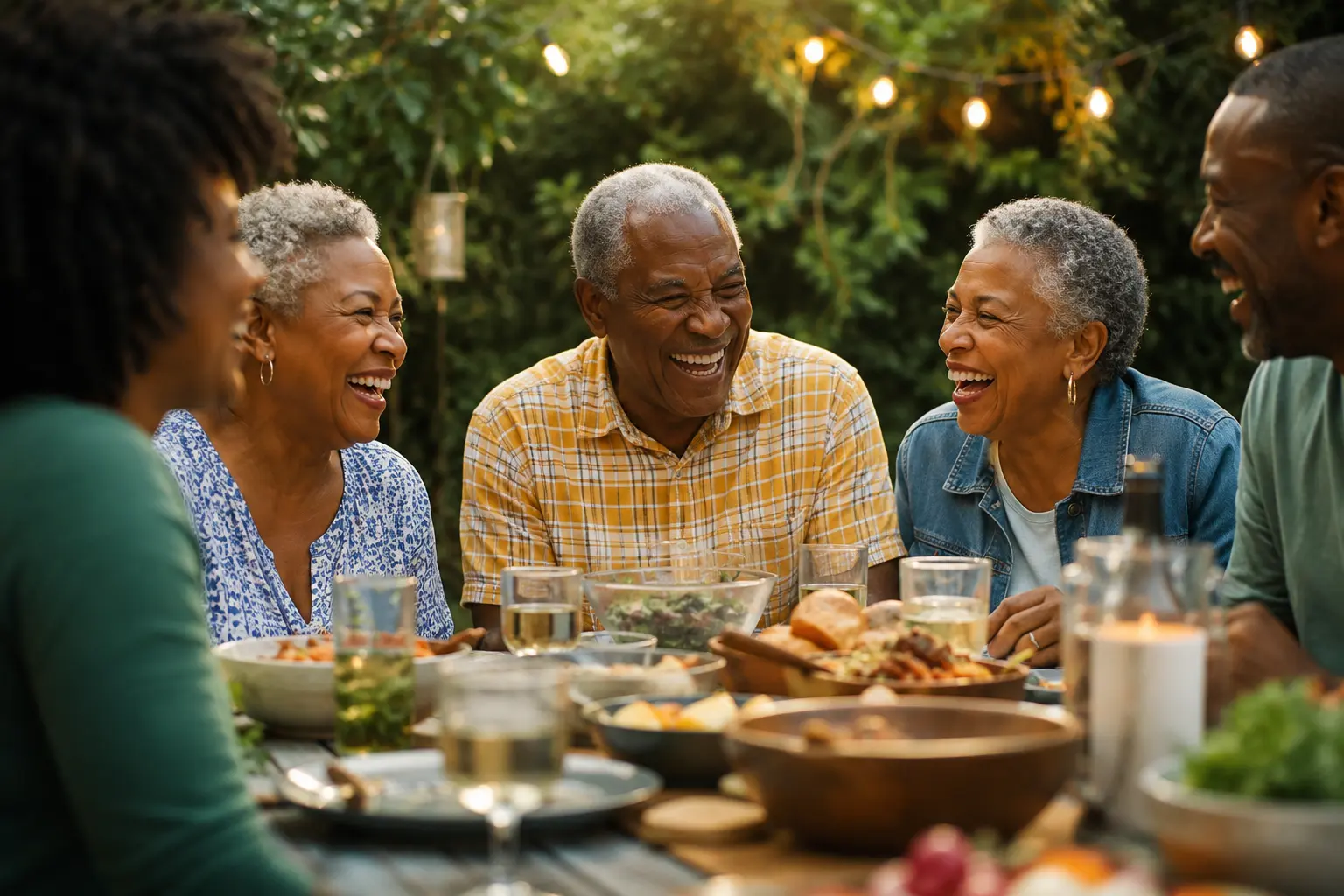
You feel the isolation creeping in, that hollow ache of drifting friendships and shallow connections, and you know deep down it’s eating away at your health and your future, but nobody talks about how social connection and longevity are literally intertwined like your heartbeat and breath.
Prioritize quality relationships
Quality relationships are not a luxury; they are foundational to living longer and healthier. When you invest in deep, meaningful connections with friends, family, and community members, you are directly investing in your longevity. Consider Sarah, a 52-year-old woman who realized her calendar was full of surface-level interactions but empty of real intimacy. She made a deliberate choice to meet her closest friend every two weeks instead of texting sporadically. Within months, she noticed lower stress levels, better sleep, and renewed sense of purpose. The key is moving beyond obligatory check-ins to genuine conversations where you feel truly seen and heard. Start by identifying three people who matter most to you and commit to regular, uninterrupted time together. Practice active listening by putting your phone away and asking thoughtful follow-up questions. Share vulnerably about your own life, not just surface updates. These bonds reduce cortisol, lower blood pressure, and create a buffer against life’s hardships. Avoid the common mistake of spreading yourself too thin across many shallow friendships when a few deep ones serve your longevity far better.
- Nurture close friendships through regular communication and meaningful interactions.
- Engage in group activities or shared interests to strengthen bonds with like-minded individuals.
- Practice active listening and empathy to foster deeper connections with others.
Engage in social activities
Social activities are not just fun distractions; they are medicine for your body and mind. When you participate in group gatherings, classes, or community events aligned with your interests, you activate multiple longevity pathways at once. Think of Maria, who joined a book club at 58 and discovered not only intellectual stimulation but also a weekly anchor point in her social calendar. She went from feeling invisible to being part of a community that celebrated her insights and valued her presence. Whether it is a fitness class, art workshop, cooking group, or hiking club, these activities serve dual purposes: they keep you physically active while building meaningful bonds. The sense of belonging that emerges from showing up regularly with the same people creates a protective effect against depression and cognitive decline. Start small by trying one activity per month until something clicks. Notice how your mood shifts when you have something social scheduled. Avoid isolating yourself by waiting for the perfect group; imperfect community is better than perfect solitude. The women who live longest often have multiple social touchpoints woven throughout their week.
📘 Fix your day in under 2 minuteschoose where to begin:
Volunteer and give back
Volunteering transforms you from a passive observer of life into an active contributor with purpose and meaning. When you give your time and energy to a cause you believe in, something shifts internally. Research consistently shows that women who volunteer report higher life satisfaction, stronger immune function, and lower mortality rates. Consider Jennifer, a retired teacher who started mentoring young girls in underserved communities at age 60. She expected to help them; instead, they helped her feel needed and vital. The act of giving creates a sense of agency and purpose that no amount of self-care alone can replicate. You do not need to commit 20 hours weekly; even two hours monthly at an animal shelter, food bank, literacy program, or community garden can meaningfully impact your health. The key is choosing something that aligns with your values so it feels like contribution, not obligation. Volunteering also expands your social circle naturally as you meet other volunteers who share your values. Many women report that their volunteer community becomes as important as their family. Start by identifying one cause that makes your heart feel full, then take one concrete action this week to explore it.
Stay connected virtually
Virtual connection is not a second-rate substitute for in-person time; it is an essential tool for maintaining relationships across distance and life circumstances. For women managing caregiving, health challenges, or geographic separation, technology offers a lifeline to meaningful interaction. Rachel, who moved across the country for her career at 55, felt devastated by the distance from her lifelong friends. Weekly video calls transformed her experience from loneliness to continuity. She could see their faces, hear their laughter, and feel genuinely present despite the miles. Video calls activate more of your brain than phone calls or texting because you can read facial expressions and body language. Schedule regular video dates with people you care about, not just occasional texts. Join online communities centered on your interests, whether that is a virtual fitness class, book discussion, or hobby group. Many women find that online groups remove barriers like transportation or scheduling conflicts, making consistent participation possible. The loneliness epidemic among women is partly solved by recognizing that a video call with a close friend is real connection, not a poor alternative. Use technology intentionally to deepen bonds, not to replace them entirely, and you will find your social world expands rather than shrinks.
Join social support groups
Social support groups provide something unique: a space where you are not alone in your experience, where others understand without explanation, and where you belong simply by showing up. These groups range from condition-specific communities for women managing health challenges to hobby-based clubs to life-stage groups for empty nesters or newly retired women. Diana joined a menopause support group at 51 and discovered that her symptoms felt less isolating when shared with women in the same season of life. The group became her safe space to ask questions, vent frustrations, and celebrate small wins. Support groups work because they combine emotional validation with practical wisdom from lived experience. Whether you join a grief circle, a fitness accountability group, a creative writing workshop, or a women’s leadership circle, the structure of regular meetings creates consistency and deepening familiarity. You do not need to be an extrovert to benefit; many quiet women find that the focused topic of a support group makes participation feel manageable and meaningful. Start by searching online for groups aligned with your current life situation or interests, attend three meetings before deciding if it is the right fit, and remember that finding your people is worth the initial vulnerability of showing up.
Cultivating quality relationships, engaging in social activities, volunteering, staying connected virtually, and joining social support groups are key steps for women to enhance their social connections and promote longevity.
How do quality relationships contribute to longevity?
Quality relationships provide emotional support, reduce stress, and enhance overall happiness, which are crucial factors in promoting longevity.
Why is volunteering important for women’s longevity?
Volunteering for a cause you believe in or giving back to your community can create a sense of purpose and fulfillment, leading to increased life satisfaction and longevity.
Others also read:
Disclaimer: This article is for informational purposes only and is not a substitute for professional medical advice. Always consult a healthcare professional for personal guidance.
This guide has been prepared and reviewed by the GlobalHealthBeacon editorial team and reflects current medical research as of 2026. It provides structured, evidence-based information to support informed health decisions.
