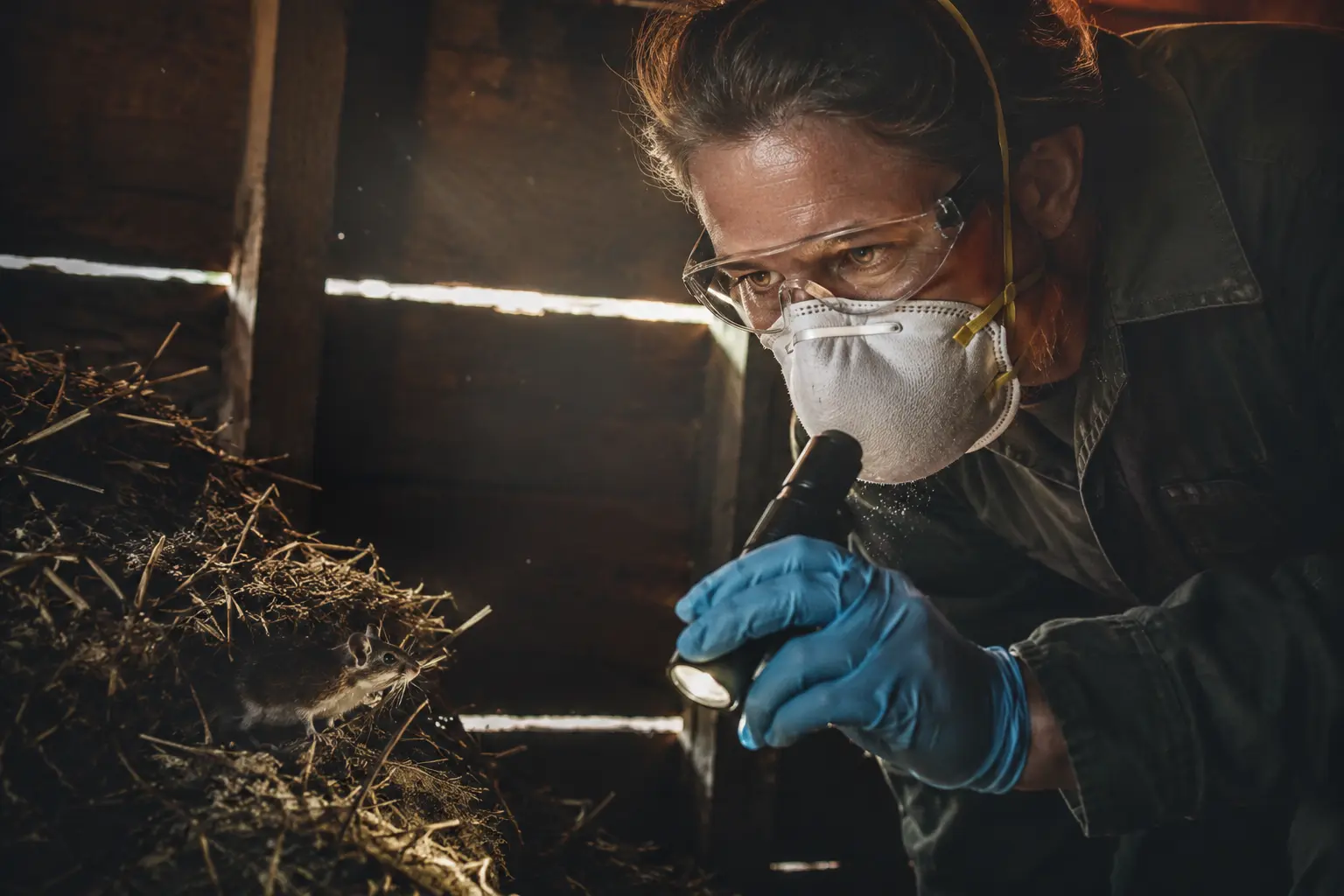
You wake up feeling absolutely exhausted, your muscles ache like you’ve been hit by a truck, and that cough just won’t go away no matter what you try, so you Google your symptoms and stumble onto the hantavirus outbreak explained, which suddenly makes you wonder if that mouse you saw in the basement last month could actually be the reason you feel this terrible.
Understanding the hantavirus outbreak
The hantavirus is a rare but genuinely serious respiratory disease that spreads through contact with infected rodents, their droppings, or contaminated dust. What makes it particularly tricky is how it mimics the flu at first, which means many people brush off the early warning signs. You might feel feverish, notice your muscles aching more than usual, and experience overwhelming fatigue that makes even getting out of bed feel like climbing a mountain. Then within days, it can escalate rapidly into severe respiratory distress, making breathing feel like you’re trying to draw air through a straw. Seniors face heightened risk because our immune systems naturally weaken with age, making it harder for our bodies to fight off serious infections before they take hold.
- Initial flu-like symptoms such as fever, muscle aches, and fatigue that can feel identical to seasonal influenza
- Progression to severe respiratory distress within days, including shortness of breath and chest tightness
- Increased susceptibility in seniors due to age-related immune system decline and potential underlying health conditions
Preventive measures for seniors
Protecting yourself starts with making your home less attractive to rodents in the first place. Walk around your house and really look for those tiny entry points, cracks, and gaps around pipes or foundation areas where mice can squeeze through, then seal them up with caulk or steel wool. Store your pantry items in glass or plastic containers with tight-fitting lids, not in open boxes where rodent droppings could contaminate your food. If you find evidence of rodents, wear gloves and a mask when cleaning up droppings, never sweep them dry because that kicks particles into the air you breathe. Keep your basement, attic, and garage well-ventilated and clutter-free, since rodents love hiding in piles of boxes or old furniture. Consider setting traps or calling a professional pest control service rather than trying to handle an infestation alone, especially if you have mobility challenges.
💬 Ready to feel better in 2 minutes?choose where to begin:
Seeking medical attention
If you remember potential rodent exposure and then develop symptoms like shortness of breath, a persistent cough, or unusual fatigue, don’t wait and hope it passes. Contact your doctor immediately and mention your exposure history, because early diagnosis makes a real difference in outcomes. Be specific about when you might have encountered rodents and where, since that context helps your healthcare provider consider hantavirus alongside other possibilities. If you experience severe breathing difficulty, chest pain, or feel faint, call emergency services right away instead of trying to drive yourself. Your doctor may order blood tests or imaging to confirm the diagnosis, and if caught early, supportive care in a hospital setting can help your body fight the infection more effectively than trying to manage it at home.
Maintaining a safe environment
Creating a rodent-resistant home is an ongoing commitment, not a one-time project. Regularly inspect areas where you store food, check under sinks and around pipes for droppings or gnaw marks, and vacuum thoroughly to remove any contamination. If you find evidence of past rodent activity, use a disinfectant spray on surfaces and let it sit before wiping clean, which kills any lingering virus particles. Keep your yard tidy by removing brush piles, trimming tree branches away from your roof, and securing garbage cans with locking lids. Store firewood at least 20 feet from your house and elevated off the ground, since rodents love nesting in wood piles. These practices might seem like extra work, but they genuinely reduce your risk and give you peace of mind knowing you’re doing everything you can to protect your health.
The hantavirus outbreak explained sheds light on the severe respiratory disease spread by rodents. Seniors must be vigilant about symptoms, seek prompt medical care, and take preventive measures to safeguard their health.
How can seniors protect themselves from the hantavirus?
Seniors can protect themselves by sealing up entry points in their homes, avoiding contact with rodents, and maintaining proper ventilation.
What are the early symptoms of hantavirus infection in seniors?
Seniors may experience flu-like symptoms initially, followed by severe respiratory distress within days of exposure to the hantavirus.
Others also read:
Disclaimer: This article is for informational purposes only and is not a substitute for professional medical advice. Always consult a healthcare professional for personal guidance.
This article presents an experience-based perspective and has been reviewed by the GlobalHealthBeacon editorial team in 2026. It provides structured, evidence-based information to support informed health decisions.
