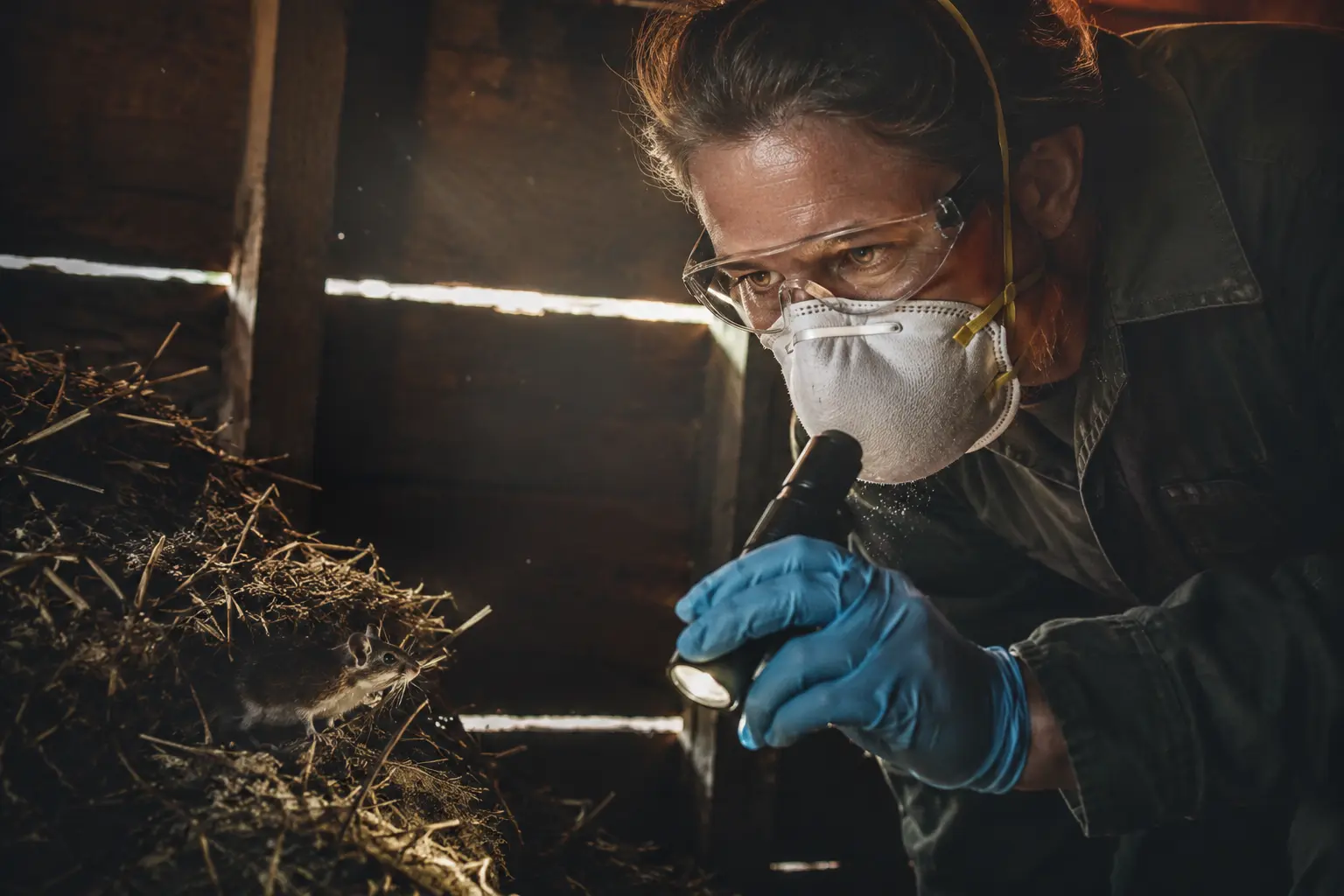
You wake up feeling feverish and achy, dismiss it as the flu, then hear about a hantavirus outbreak in your area and suddenly panic sets in, but this hantavirus outbreak explained guide will walk you through exactly what you need to know and do to protect yourself.
Understanding hantavirus: what seniors need to know
Hantavirus is a serious respiratory illness spread primarily through contact with infected rodent droppings, urine, or saliva. For seniors, the stakes are higher because age-related changes to the immune system make severe complications more likely. Picture this: a 72-year-old discovers mouse droppings in her basement while organizing old boxes. She didn’t wear gloves or a mask, and weeks later develops a persistent cough that turns into pneumonia. This scenario illustrates why understanding transmission routes matters so much. The virus enters your body through inhalation of contaminated particles or direct contact with infected rodent materials. Unlike the flu, which spreads person-to-person, hantavirus comes from rodents alone. Your home is the primary risk zone, especially basements, attics, garages, and storage areas where rodents nest. Seniors living in rural areas or older homes with gaps in foundations face elevated risk. The key is recognizing that prevention starts with understanding where the danger lives, not in your community, but in the spaces you occupy daily.
- Keep your living area clean and clutter-free to prevent rodents from nesting.
- Seal off any holes or cracks in your home to prevent rodent entry.
- Use gloves and a mask if cleaning areas where rodents may have been present.
Recognizing hantavirus symptoms
The first signs of hantavirus mimic flu so closely that many people dismiss them initially. You might notice fever, muscle aches, chills, and fatigue appearing suddenly over a few days. A 68-year-old man experienced these early symptoms but attributed them to overexertion from yard work. By day five, his breathing became labored. By day seven, he was hospitalized with severe respiratory distress. This progression illustrates why timing matters. Early symptoms typically appear one to eight weeks after exposure, which means you might not connect them to that basement cleaning project from weeks ago. As the illness advances, you may develop shortness of breath, chest tightness, and coughing. Some seniors experience nausea or abdominal pain. The critical window is recognizing these symptoms early enough to seek medical care before the respiratory phase becomes severe. Hantavirus can progress to pulmonary syndrome, where fluid fills the lungs and oxygen levels drop dangerously. If you experience fever combined with muscle aches and any breathing difficulty, especially if you have recently handled rodent-contaminated areas, contact your doctor immediately rather than waiting to see if symptoms improve on their own.
📘 Fix your day in under 2 minuteschoose where to begin:
Protecting yourself from hantavirus
Protection requires a multi-layered approach that becomes routine rather than anxiety-inducing. Start with hand hygiene: wash your hands thoroughly with soap and warm water for at least 20 seconds, especially after touching potentially contaminated materials, before eating, and after using the bathroom. A 75-year-old woman implemented a simple rule: she never touched her face until her hands were clean, dramatically reducing her infection risk. Ventilation matters more than many seniors realize. Open windows regularly to allow fresh air circulation, which reduces airborne particle concentration in enclosed spaces. If you must work in areas where rodents may have been present, wear an N95 mask and nitrile gloves. Avoid touching your face while wearing contaminated gloves. Keep your living space organized so rodents have nowhere to hide and you can spot droppings quickly. Store food in sealed containers and remove trash daily. Maintain distance from wild rodents and never attempt to trap or handle them yourself. If you find dead rodents, do not touch them directly. Instead, contact a professional pest control service. These steps transform protection from a fearful reaction into a practical daily habit that reduces risk substantially.
Cleaning tips for seniors
Cleaning rodent-contaminated areas requires specific techniques that prevent virus aerosolization, which occurs when particles become airborne during sweeping or vacuuming. Here is the proper method: first, ventilate the area by opening windows and doors. Put on an N95 mask and nitrile gloves before beginning. Spray the contaminated area generously with a bleach solution (one part bleach to nine parts water) and let it sit for five minutes. This kills the virus on contact. Wipe the area thoroughly with paper towels or disposable cloths, then spray again and wipe once more. Dispose of all materials in a sealed plastic bag. Never sweep, vacuum, or use compressed air on rodent droppings, as these actions launch virus particles into the air where you can inhale them. A common mistake occurs when seniors try to save money or effort by using a regular vacuum or broom. This decision can expose you to concentrated virus particles. If the contaminated area is large, if you have respiratory conditions, or if you feel uncertain about the process, hire a professional cleaning service. Many pest control companies offer this service and understand the specific protocols needed. Your safety is worth the investment, and professionals have proper equipment and training to handle the job without risk.
Seeking professional help
Recognizing when to call for help separates safe outcomes from dangerous delays. If you suspect rodent infestation in your home, contact a licensed pest control professional immediately. They can assess the extent of the problem, identify entry points, and implement exclusion measures to prevent future infestations. Do not attempt to handle this yourself, as disturbing an active infestation can increase your exposure risk. If you develop symptoms suggestive of hantavirus, especially fever combined with muscle aches and any breathing difficulty, contact your healthcare provider without delay. Describe your recent activities, including any rodent exposure or contaminated area cleaning. Early medical evaluation is crucial because supportive care, hospitalization, and close monitoring can prevent progression to severe respiratory failure. Your doctor may recommend blood tests to confirm hantavirus infection. There is no specific antiviral treatment, but early hospitalization allows doctors to monitor your oxygen levels, manage fluid balance, and provide respiratory support if needed. Many seniors hesitate to bother their doctors with what they think might be minor symptoms, but hantavirus is not minor. It demands prompt medical attention. Keep your healthcare provider’s contact information accessible, and do not wait to see if symptoms improve on their own.
Hantavirus poses a serious threat to seniors, but by understanding the virus, recognizing symptoms, practicing good hygiene, following cleaning tips, and seeking prompt medical attention, you can stay safe and protected.
How is hantavirus transmitted?
Hantavirus is primarily transmitted through inhalation of airborne particles contaminated with rodent saliva, urine, or droppings. Direct contact with infected rodents can also lead to transmission.
Is there a cure for hantavirus?
There is no specific treatment for hantavirus infection. Early detection, supportive care, and hospitalization are essential for managing severe cases and preventing complications.
Others also read:
Disclaimer: This article is for informational purposes only and is not a substitute for professional medical advice. Always consult a healthcare professional for personal guidance.
This guide has been prepared and reviewed by the GlobalHealthBeacon editorial team and reflects current medical research as of 2026. It provides structured, evidence-based information to support informed health decisions.
