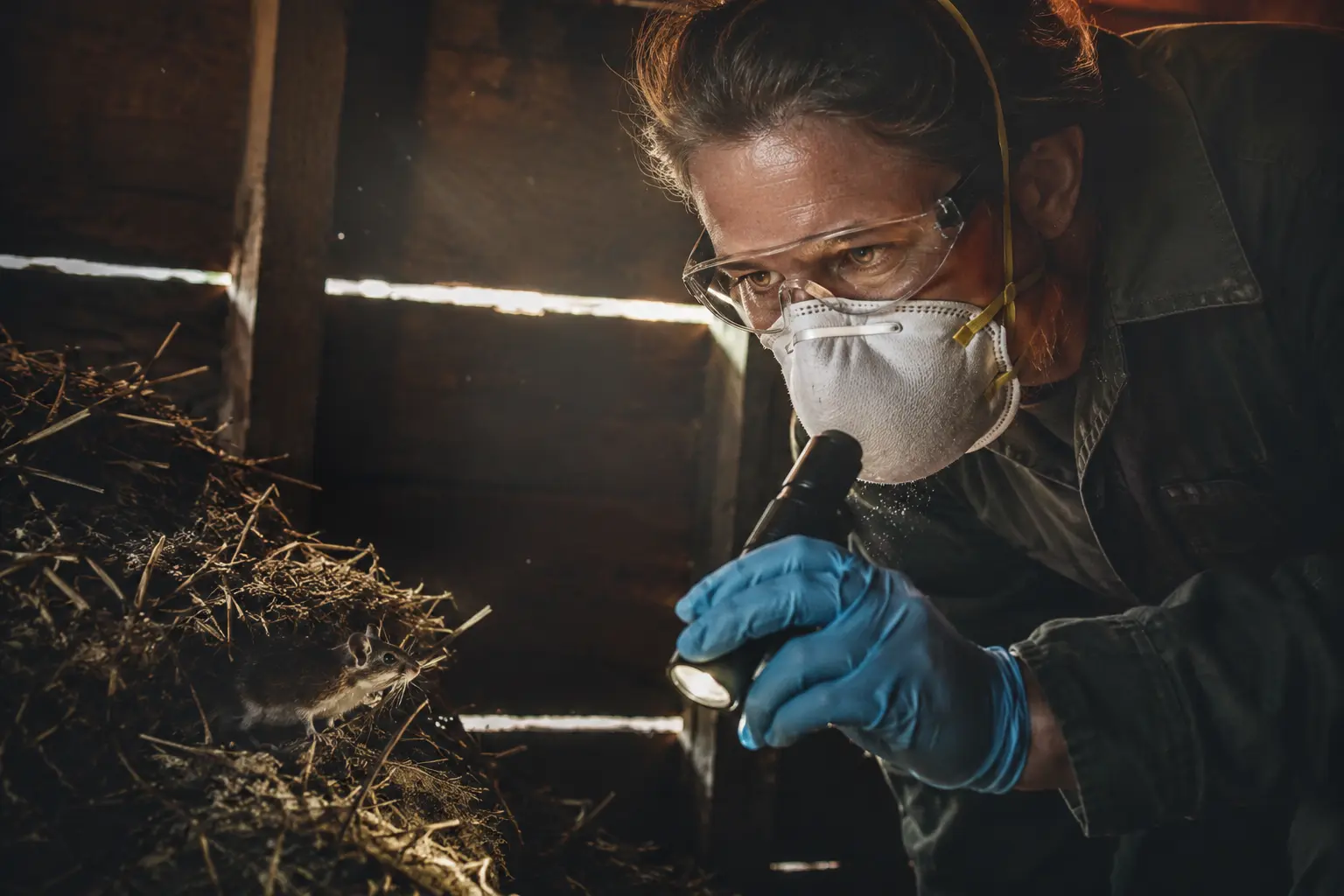
You find rodent droppings in your attic, or maybe you’re cleaning out a shed and suddenly worry about what you might be breathing in – this is where understanding the hantavirus outbreak explained becomes genuinely important for protecting yourself.
What is hantavirus?
Hantavirus is a serious illness transmitted through contact with infected rodents or their droppings, and it’s more common than many women realize. The virus spreads when you inhale particles from contaminated rodent urine, feces, or saliva, or when these materials come into contact with cuts or mucous membranes. Picture this: you’re cleaning out a garage that’s been unused for months, and without proper protection, you’re stirring up decades of rodent waste into the air. That’s a real exposure risk. The virus can cause severe respiratory issues and other potentially fatal complications if not addressed promptly. Early symptoms include fever, muscle aches, and fatigue, which can escalate rapidly into Hantavirus Pulmonary Syndrome (HPS) in severe cases. Understanding that this isn’t just about avoiding mice but about recognizing the serious health threat they pose is the first step in protecting yourself.
- Transmitted through rodent urine, feces, and saliva
- Early symptoms include fever, muscle aches, and fatigue
- Can lead to Hantavirus Pulmonary Syndrome (HPS) in severe cases
Recognizing the symptoms
Being able to identify the symptoms of hantavirus is crucial in seeking timely medical attention, and the tricky part is that early signs feel like a regular flu. You might wake up with a fever, body aches, and exhaustion, thinking you’ve caught something going around the office. But if you’ve had recent exposure to rodents or rodent-contaminated areas, those symptoms take on new meaning. Within one to five weeks of exposure, you may experience headaches, dizziness, chills, and nausea. Some women report abdominal pain or vomiting. The critical moment comes when respiratory symptoms appear: shortness of breath, coughing, or chest tightness. This is when hantavirus becomes dangerous. Symptoms may start off mild but can escalate rapidly, posing a significant health risk. The progression from feeling mildly unwell to struggling to breathe can happen within days, which is why any respiratory symptoms following potential rodent exposure warrant immediate medical evaluation.
📘 Fix your day in under 2 minuteschoose where to begin:
Preventive measures
Taking preventive measures is key to reducing the risk of hantavirus infection, and most of it comes down to practical, everyday actions you can control. Start by ensuring proper sanitation in your home: seal cracks and gaps in walls, foundation, and around pipes where rodents can enter. Store food in airtight containers and never leave pet food out overnight. When you do encounter areas that might be contaminated, always use protective gear: wear an N95 mask, gloves, and eye protection. Avoid sweeping or vacuuming rodent droppings, which can aerosolize the virus; instead, spray the area with disinfectant first, let it sit, then carefully wipe it up. Ventilate the space well during and after cleaning. If you’re dealing with a significant rodent problem, consider hiring professionals rather than handling it yourself. Keep your yard clear of brush and debris where rodents nest, and trim tree branches away from your roof. These steps might seem tedious, but they’re genuinely effective at keeping you safe.
Seeking medical help
If you suspect exposure to hantavirus or experience any relevant symptoms, seek medical assistance immediately because early diagnosis and treatment play a vital role in managing the infection effectively. When you call your doctor or visit urgent care, be specific about your exposure: tell them you’ve been in contact with rodents, rodent droppings, or potentially contaminated areas. This information helps them recognize hantavirus as a possibility rather than assuming you have a standard respiratory infection. There’s no cure for hantavirus, but early supportive care makes a significant difference in outcomes. This means hospitalization for monitoring, oxygen therapy if needed, and careful management of fluid balance and blood pressure. Women sometimes hesitate to seek help for what feels like flu-like symptoms, but with hantavirus, that hesitation can be dangerous. If you’ve had exposure and develop fever, muscle aches, or any respiratory symptoms within six weeks, don’t wait to see if it passes on its own. Get evaluated immediately.
Maintaining a healthy environment
Promoting a clean and rodent-free environment is essential in preventing the spread of hantavirus, and this extends beyond just your home to your workspace and outdoor spaces. Regularly sanitize living spaces, especially kitchens and areas where food is stored. Seal off entry points for rodents by caulking gaps, installing door sweeps, and ensuring screens are intact. Maintain good hygiene practices like washing hands after handling items that might have been near rodents, and keeping surfaces clean where you prepare food. In your yard, remove potential nesting sites: clear away leaf piles, trim overgrown vegetation, and store firewood away from your house. If you have pets, keep their living areas clean and secure. Consider using snap traps or electronic traps rather than poison, which can lead to dead rodents in inaccessible places where they decompose and spread pathogens. If you find evidence of rodents, address it promptly rather than hoping the problem resolves itself. A clean environment isn’t just about comfort; it’s about creating conditions where rodents can’t thrive and where you’re not exposed to their contamination.
Hantavirus is a dangerous infection transmitted through rodents that can lead to severe respiratory issues. Recognizing symptoms, taking preventive measures, seeking medical help promptly, and maintaining a clean environment are essential steps in managing the risk.
Can hantavirus be treated effectively?
Early detection and prompt medical intervention are crucial in treating hantavirus successfully. Supportive care measures can help manage symptoms and improve outcomes.
How can I protect myself from hantavirus exposure?
To minimize the risk of hantavirus infection, practice proper sanitation, avoid contact with rodents, use protective equipment when cleaning, and maintain a clean living environment.
Others also read:
Disclaimer: This article is for informational purposes only and is not a substitute for professional medical advice. Always consult a healthcare professional for personal guidance.
This guide has been prepared and reviewed by the GlobalHealthBeacon editorial team and reflects current medical research as of 2026. It provides structured, evidence-based information to support informed health decisions.
