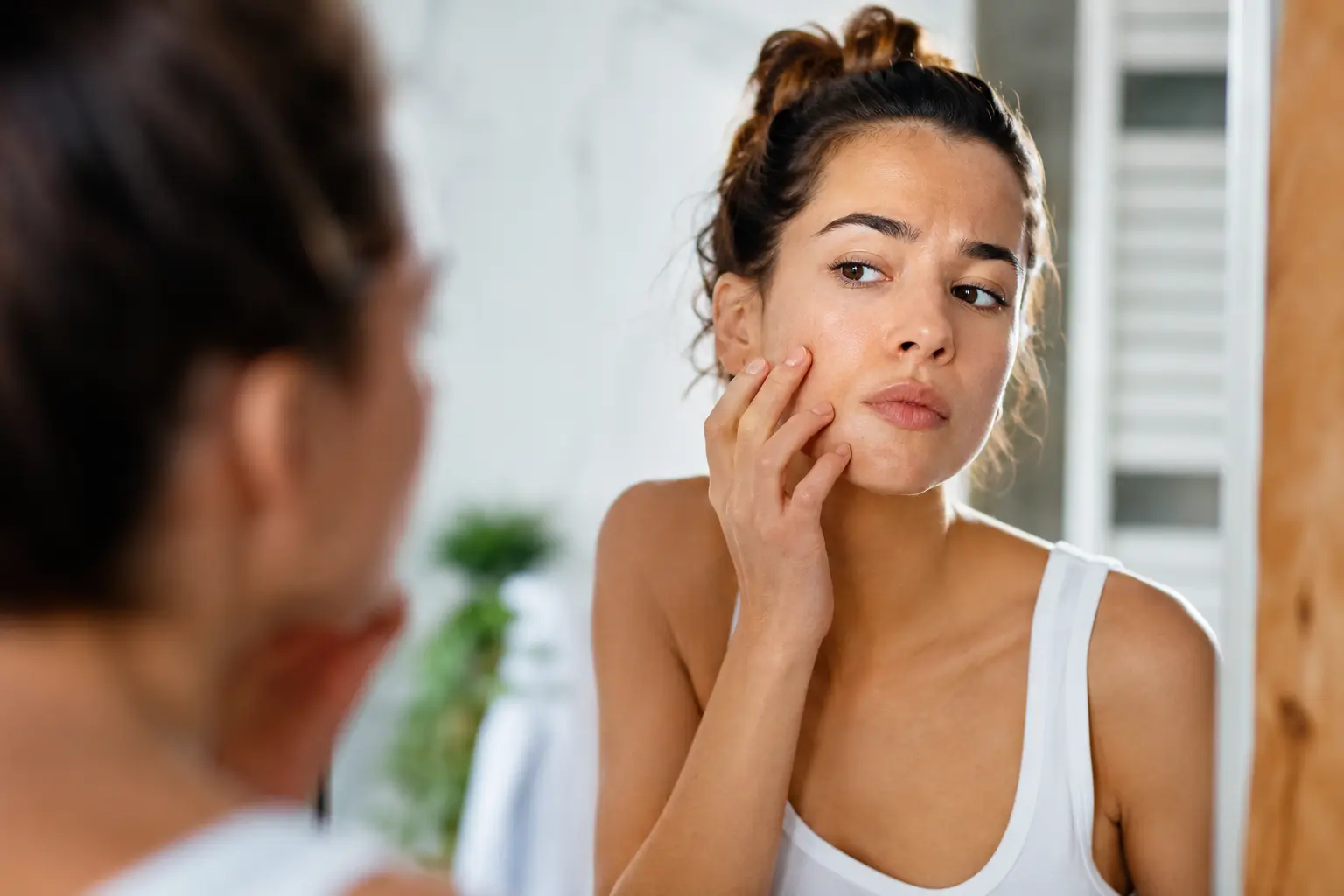
Your skin feels tight, looks dull, and no amount of moisturizer seems to fix it, and you’re probably making common skin hydration mistakes without even realizing it.
The skin’s natural barrier function
Your skin is far more than just a surface layer. It’s a sophisticated biological barrier designed to hold moisture in and keep harmful substances out. This barrier, called the stratum corneum, consists of tightly packed dead skin cells held together by lipids that act like mortar between bricks. When this protective wall functions properly, it maintains optimal hydration levels and keeps your skin looking plump and healthy. However, when the barrier becomes compromised, water escapes from deeper skin layers, leaving you with that uncomfortable tight, flaky feeling. Think of it like a leaky roof: even if you’re watering your plants inside, the water keeps escaping through the cracks. Common culprits that damage this barrier include harsh weather conditions that strip away protective oils, aggressive skincare routines using products with high pH levels, certain medications like retinoids used incorrectly, and even stress which triggers inflammatory responses. Young adults often don’t realize their enthusiastic skincare routines might actually be harming their barrier. Understanding how this barrier works helps you make smarter choices about what you apply to your skin.
Role of sebum production
Sebum gets a bad reputation, but this natural oil your skin produces is absolutely essential for maintaining hydration. It’s not just about preventing acne; sebum acts as a waterproofing agent that seals moisture into your skin and protects it from environmental stressors. When sebum production is disrupted, your skin loses this protective layer and becomes vulnerable to dehydration. Hormonal fluctuations are a major culprit here, especially during your twenties and thirties when hormones are still stabilizing. Excessive washing, particularly with hot water and harsh soaps, strips away sebum faster than your skin can replace it, triggering a frustrating cycle where your skin becomes dry and tight. Some young adults respond by using more moisturizer, but if the barrier is damaged, that moisture just evaporates. Interestingly, over-drying your skin can actually cause it to produce even more sebum as a compensatory mechanism, leading to the confusing situation where you have both dry and oily patches. Factors like diet high in inflammatory foods, certain medications, and even sleep deprivation can impact how much sebum your skin produces and how effectively it functions.
Environmental influences on skin
Your environment constantly challenges your skin’s ability to stay hydrated. Cold winter air has significantly lower humidity levels, which means moisture evaporates from your skin much faster than during humid summer months. Air conditioning and heating systems in offices and homes create artificially dry environments that accelerate water loss from your skin throughout the day. If you live in a dry climate or spend hours in climate-controlled spaces, your skin faces constant dehydration pressure. Pollution particles in urban environments can also damage your skin barrier, making it more permeable to water loss. UV radiation from sun exposure breaks down the proteins and lipids that hold your barrier together, which is why sun-damaged skin often appears dehydrated and leathery. Young adults who spend time outdoors without protection or work in environments with poor air quality experience accelerated barrier damage. Even altitude affects hydration; higher elevations have lower oxygen and moisture levels, which is why travelers often notice their skin becoming drier. Understanding these environmental stressors helps you take targeted protective measures rather than just applying more moisturizer.
- Drink an adequate amount of water daily.
- Apply sunscreen with at least SPF 30 daily.
- Use a humidifier in dry environments.
🔬 Science-backed benefits in 2 minuteschoose where to begin:
Effects of over-exfoliation
Exfoliation sounds beneficial because it removes dead skin cells and promotes cell turnover, which is true in moderation. However, many young adults become overzealous with exfoliation, using physical scrubs multiple times weekly or combining different exfoliating products without understanding the consequences. Each time you exfoliate, you’re physically removing the outermost layer of skin cells that form your protective barrier. When you do this too frequently, you don’t give your skin enough time to rebuild that barrier before stripping it away again. The result is a compromised barrier that can’t retain moisture effectively, leading to increased water loss and that uncomfortable tight, sensitive feeling. Over-exfoliated skin often becomes red, reactive, and prone to irritation from products that normally wouldn’t bother you. Some people respond to this sensitivity by exfoliating even more, thinking they need to remove the irritated layer, which only makes things worse. Chemical exfoliants like AHAs and BHAs are gentler than physical scrubs, but they still require careful, measured use. The sweet spot for most young adults is exfoliating once or twice weekly with either a gentle chemical exfoliant or a soft physical scrub, never both on the same day. Your skin needs time to recover and rebuild its barrier between exfoliation sessions.
Impact of diet and lifestyle choices
What you consume directly affects your skin’s ability to maintain hydration from the inside out. A diet heavy in processed foods and refined sugars triggers inflammatory responses in your body that compromise your skin barrier and increase water loss. These foods also often lack the essential fatty acids and antioxidants your skin needs to function properly. Young adults who regularly consume alcohol experience accelerated dehydration because alcohol is a diuretic that pulls water from your body and skin. Smoking damages collagen and elastin while also reducing blood flow to your skin, which means fewer nutrients and less oxygen reaching your skin cells. Sleep deprivation is another overlooked factor; during sleep, your body increases blood flow to the skin and rebuilds the barrier. When you’re chronically sleep-deprived, this restorative process doesn’t happen effectively. Stress triggers cortisol release, which impairs barrier function and increases inflammation. Even caffeine consumption, while not inherently harmful, can contribute to dehydration if you’re not balancing it with adequate water intake. Young adults juggling work, social life, and fitness often neglect these foundational lifestyle factors while investing heavily in skincare products, missing the bigger picture that what happens inside your body profoundly affects what shows on your skin.
Choosing the right skincare products
Product selection matters enormously when you’re dealing with dehydrated skin, but many young adults choose products based on marketing claims rather than ingredient science. Look for gentle cleansers with a pH close to your skin’s natural pH of around 5.5, because high-pH cleansers disrupt your barrier. Hydrating ingredients like hyaluronic acid work by drawing moisture into your skin, while glycerin acts as a humectant that binds water to your skin cells. Ceramides are particularly important because they’re the actual lipids that hold your barrier together, so replenishing them helps restore barrier function. Niacinamide supports sebum production and barrier repair while also being gentle enough for sensitive, dehydrated skin. Avoid products with high concentrations of fragrance or essential oils, which can irritate a compromised barrier even if they smell appealing. The order of application matters too; apply hydrating products to damp skin so they can lock in that moisture, then seal everything with a lightweight occlusive like a facial oil or moisturizer. Many young adults make the mistake of using too many active ingredients simultaneously, which overwhelms a damaged barrier. Sometimes the most effective approach is simplifying your routine to a gentle cleanser, hydrating toner or essence, and a good moisturizer while your barrier repairs itself.
Understanding the science behind skin dehydration in young adults involves exploring the skin’s barrier function, sebum production, environmental influences, effects of over-exfoliation, dietary impact, and choosing the right skincare products.
Can dehydration lead to premature aging of the skin?
Yes, chronic dehydration can impair the skin’s elasticity and lead to premature aging, emphasizing the importance of proper hydration for maintaining youthful skin.
How often should I exfoliate to avoid skin dehydration?
Exfoliating 1-2 times per week is generally sufficient to remove dead skin cells without compromising the skin’s natural hydration levels. Avoid over-exfoliating to prevent dehydration.
Others also read:
Disclaimer: This article is for informational purposes only and is not a substitute for professional medical advice. Always consult a healthcare professional for personal guidance.
This article has been prepared and reviewed by the GlobalHealthBeacon editorial team and is based on current medical research and published scientific literature available in 2026. It provides structured, evidence-based information to support informed health decisions.
