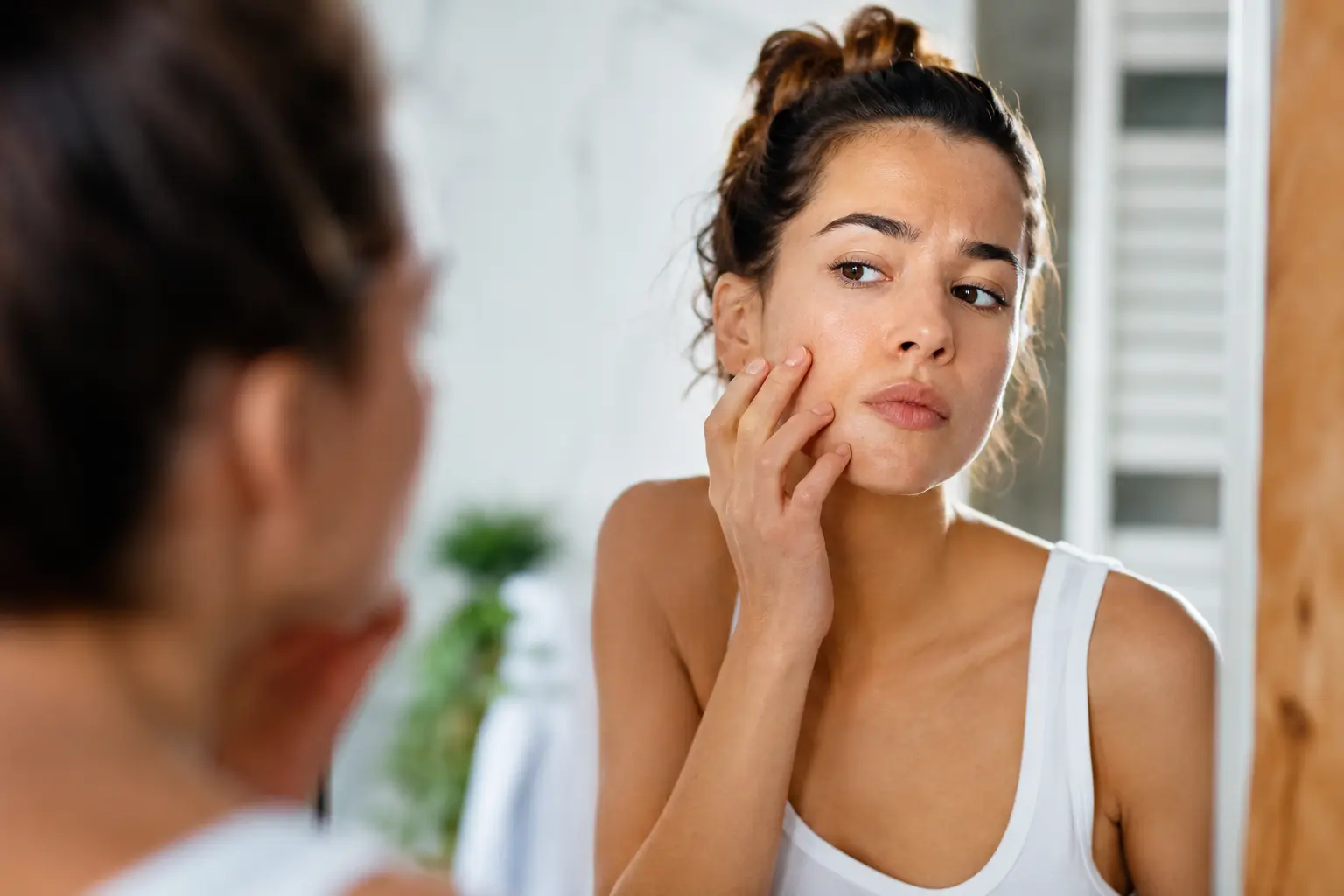
Your skin feels tight, itchy, and uncomfortable no matter what you slather on it, and you’re exhausted from trying product after product that doesn’t work because you’ve been making the same skin hydration mistakes for decades.
Using harsh cleansers strips essential oils
Think back to your bathroom routine. Many seniors grew up with the belief that squeaky-clean skin meant healthy skin, so they reached for those strong, foaming cleansers without hesitation. The problem? Those harsh soaps strip away your skin’s natural protective oils, leaving you with a tight, uncomfortable feeling that no amount of lotion seems to fix. I remember my mother scrubbing her face raw with those old-fashioned bar soaps, wondering why her skin felt like parchment. The truth is, your skin has its own moisture barrier that keeps water locked in. When you use sulfate-heavy products, you’re essentially bulldozing that barrier. Switching to gentle, creamy cleansers with ingredients like hyaluronic acid or ceramides feels like a small change, but it’s genuinely transformative. Your skin stops that desperate cry for moisture because you’re finally working with it instead of against it.
- Choose sulfate-free cleansers to avoid harsh stripping
- Look for ingredients like hyaluronic acid or ceramides for added hydration
- Avoid overwashing your face, as it can lead to excessive dryness
Skipping moisturizer leads to dehydration
For years, you might have thought moisturizer was optional, something only for people with visibly dry skin or those who could afford expensive creams. But here’s what happens when you skip this crucial step: your skin loses water throughout the day, and without a protective layer to seal that moisture in, you end up with flaky patches, irritation, and that uncomfortable tightness. I spoke with a 68-year-old woman who spent forty years thinking moisturizer was a luxury she didn’t need. By the time she finally started using one, her skin had developed deep lines and a dull texture that took months to improve. The reality is that moisturizer isn’t a luxury; it’s a necessity. It works like a seal, trapping the water your skin naturally produces and preventing it from evaporating into the air. Finding the right formula for your skin type, whether that’s a lightweight lotion or a richer cream, makes an enormous difference in how your skin looks and feels.
💬 Ready to feel better in 2 minutes?choose where to begin:
Neglecting sun protection causes dryness
UV rays don’t just cause sunburns and age spots, though those are certainly concerns. They actively damage your skin’s ability to retain moisture, breaking down the collagen and elastin that keep your skin plump and hydrated. Many seniors skip sunscreen because they’re not spending hours at the beach or because they assume the damage is already done. But the truth is, every single day of sun exposure without protection strips more moisture from your skin. I know a retired teacher who spent decades gardening without sunscreen, and by her seventies, her face had become so dehydrated that even intensive moisturizing routines couldn’t fully restore it. The good news is that starting sun protection now prevents further moisture loss and gives your skin a chance to recover. A broad-spectrum SPF 30 or higher applied daily creates a barrier that shields your skin from those moisture-stealing rays, helping you maintain that healthy, hydrated glow.
Not drinking enough water dehydrates the skin
Your skin is your body’s largest organ, and it needs water to function properly. When you’re dehydrated, your body prioritizes vital organs first, leaving your skin last in line for hydration. Many seniors don’t realize they’re not drinking enough water because thirst signals weaken with age, and they might be distracted by medications or busy routines. I watched my grandfather struggle with perpetually dry, flaky skin until his doctor pointed out that he was barely drinking two glasses of water a day. Once he committed to eight glasses daily, his skin transformed within weeks. The shift wasn’t dramatic or magical, but it was real. His skin looked less dull, felt softer, and that uncomfortable tight sensation finally eased. Staying hydrated internally works alongside your skincare routine to keep your skin cells plump and resilient, helping you maintain that youthful elasticity and glow.
Avoiding skin hydration mistakes, such as using harsh cleansers, skipping moisturizer, neglecting sun protection, and not drinking enough water, is crucial for seniors to maintain healthy, hydrated skin. By making simple adjustments to your skincare routine, you can enjoy a glowing complexion at any age.
Can dehydration worsen skin aging?
Yes, dehydration can accelerate skin aging by causing fine lines, wrinkles, and lack of elasticity. Proper hydration helps maintain skin health and youthful appearance.
How can I tell if my skin is dehydrated?
Signs of dehydrated skin include dryness, flakiness, tightness, and an overall lack of moisture. Keeping your skin hydrated with proper skincare and adequate water intake can alleviate these symptoms.
Others also read:
Disclaimer: This article is for informational purposes only and is not a substitute for professional medical advice. Always consult a healthcare professional for personal guidance.
This article presents an experience-based perspective and has been reviewed by the GlobalHealthBeacon editorial team in 2026. It provides structured, evidence-based information to support informed health decisions.
