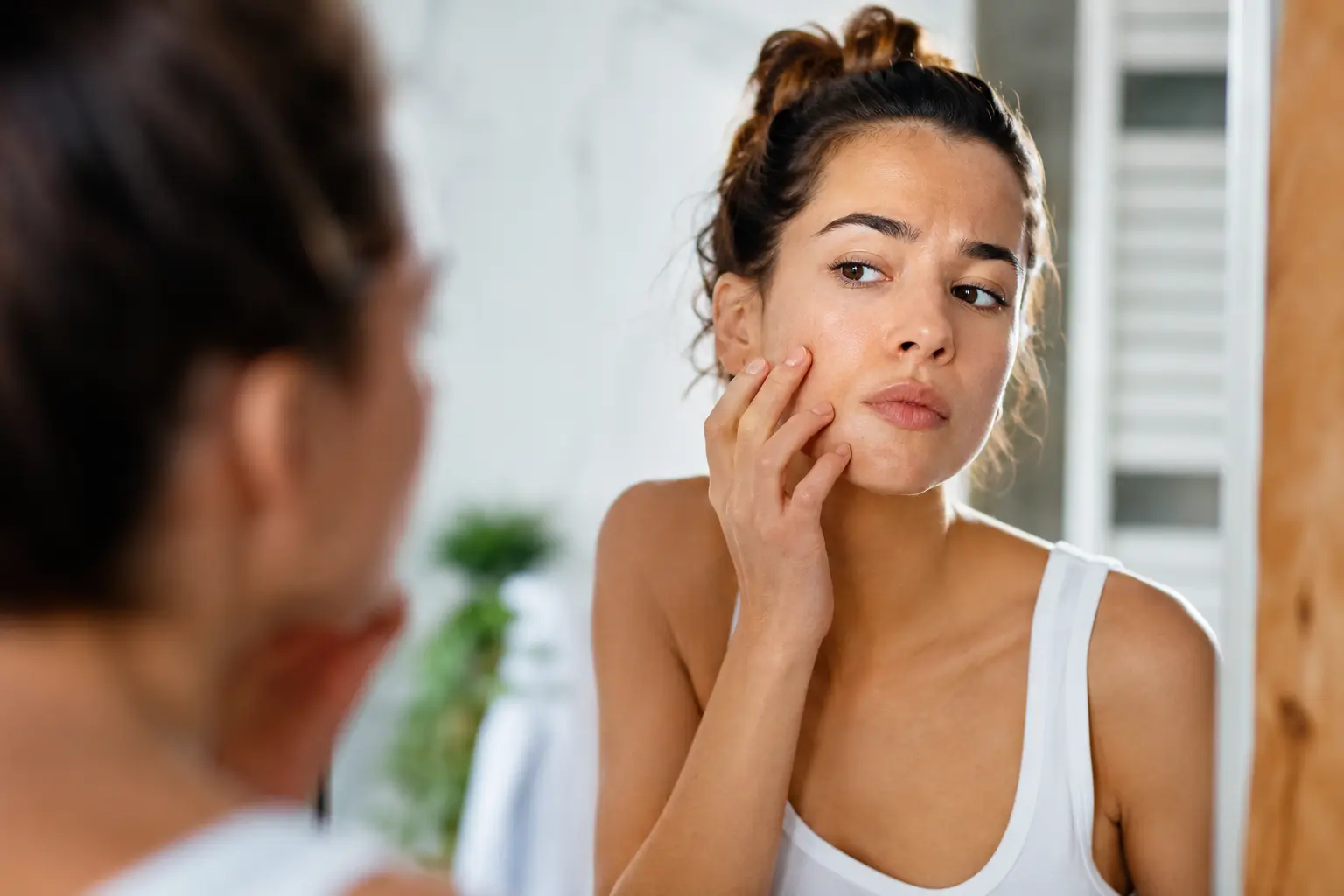
Your skin feels tight, itchy, and dull no matter what you do, and you’re making skin hydration mistakes without even realizing it – but the good news is that fixing this starts today.
Ignoring proper hydration
One of the most prevalent skin hydration mistakes seniors make is neglecting to drink enough water daily. Think about your typical day: you might have coffee in the morning, lunch around noon, and dinner in the evening, but how many glasses of water actually make it into your routine? Many seniors don’t realize that thirst signals weaken with age, so you might genuinely forget to drink enough without feeling parched. Dehydration can lead to dry, flaky skin that looks dull and feels uncomfortable. Consider Margaret, a 68-year-old who noticed her skin becoming increasingly papery. She started tracking her water intake and realized she was only drinking about 4 glasses daily. Within two weeks of increasing to 8 glasses, her skin regained elasticity and that uncomfortable tightness disappeared. The key is consistency: make water drinking a habit by pairing it with existing routines like meals or medication times.
- Drink at least 8 glasses of water daily to keep your skin hydrated.
- Set reminders on your phone or use a water bottle with time markers to track your intake.
- Include hydrating foods like watermelon, cucumbers, and oranges in your diet.
Overlooking moisturization
Many seniors forget to moisturize their skin regularly, causing it to lose essential oils and become dry and uncomfortable. The mistake often happens because older skin doesn’t feel as oily as it once did, so you might assume moisturizer isn’t necessary anymore. In reality, aging skin needs more hydration support, not less. Your skin’s natural oil production decreases significantly after 60, which means the protective barrier that once kept moisture locked in is now compromised. Picture this: you shower, pat your skin dry, and move on with your day without applying any moisturizer. By evening, your skin feels tight and uncomfortable. The solution is simple but requires a new habit. Apply a gentle, fragrance-free moisturizer immediately after showering or washing your face, while your skin is still slightly damp. This traps water in the outer layers and prevents evaporation. Look for ingredients like glycerin, hyaluronic acid, or ceramides that actively draw moisture into your skin and maintain that protective barrier throughout the day.
📘 Fix your day in under 2 minuteschoose where to begin:
Excessive hot showers
While hot showers can feel soothing and relaxing, especially on cold mornings, they strip your skin of its natural oils and lead to significant dryness. Hot water opens your pores and washes away the lipids that protect your skin’s moisture barrier. After a steaming shower, your skin might feel temporarily soft, but within hours that tight, uncomfortable feeling returns because the natural oils are gone. Imagine stepping out of a hot shower feeling refreshed, only to notice by mid-morning that your skin feels itchy and uncomfortable. This is your skin’s way of signaling that it has lost its protective layer. The fix involves adjusting your shower habits: opt for lukewarm water instead and limit your shower time to 5-10 minutes maximum. If you enjoy the warmth, start with warm water and gradually cool it down as you finish. Pay special attention to your face and neck, which are more sensitive and prone to dryness. After showering, apply moisturizer while your skin is still slightly damp to seal in hydration and restore that protective barrier.
Incorrect skincare products
Using harsh cleansers or products with alcohol can further dry out your skin and damage the delicate moisture barrier that becomes increasingly fragile with age. Many seniors continue using the same skincare products they used at 40, not realizing that aging skin has completely different needs. Products marketed as ‘deep cleaning’ or containing alcohol might have worked fine when your skin was oilier, but now they’re stripping away essential moisture. Consider the common scenario: you use a foaming cleanser that leaves your skin feeling squeaky clean, which feels like it’s working, but that squeaky sensation actually means you’ve removed too much. Your skin responds by becoming irritated, tight, and even more prone to dryness. The solution is switching to gentle, hydrating skincare products specifically suited for mature skin. Look for creamy cleansers instead of foaming ones, and avoid anything containing alcohol, fragrance, or strong actives like high-dose retinoids without proper support. Choose products with hydrating ingredients like ceramides, peptides, or plant oils that nourish rather than strip. Test new products on a small area first, and give your skin at least two weeks to adjust before deciding if something works.
Lack of sun protection
Sun exposure can deplete your skin’s hydration levels significantly and accelerate visible aging through UV damage that breaks down collagen and elastin. Many seniors underestimate how much sun exposure they get during daily activities: a 20-minute walk to the mailbox, gardening, or running errands adds up quickly. UV rays penetrate deep into the skin and damage the structures that hold moisture, leaving your skin dehydrated and vulnerable. Think about the difference between the skin on your face and the skin on your inner arm: the inner arm rarely sees sun and looks smoother, more hydrated, and younger. That’s what consistent sun protection does. Always apply a broad-spectrum sunscreen with SPF 30 or higher when going outdoors, even on cloudy days, because UV rays penetrate clouds. Reapply every two hours if you’re spending extended time outside, and consider using a mineral sunscreen with zinc oxide or titanium dioxide, which are gentler on sensitive, aging skin. Don’t forget often-missed areas like your ears, the back of your neck, and the tops of your hands, which show sun damage quickly. Wearing protective clothing like long sleeves or a wide-brimmed hat provides additional defense while keeping your skin’s hydration intact.
Seniors often face skin hydration challenges due to factors like inadequate water intake, improper moisturization, hot showers, harsh skincare products, and lack of sun protection. By making simple adjustments to your daily routine, you can improve your skin’s hydration levels and promote a healthier complexion.
How can dehydration affect skin hydration in seniors?
Dehydration reduces skin elasticity and can lead to dryness, flakiness, and accelerated aging in seniors. It’s essential for older adults to stay properly hydrated to maintain optimal skin health.
What are some signs of skin dehydration in seniors?
Symptoms of skin dehydration in seniors include itchiness, tightness, dullness, and increased sensitivity. Pay attention to these signs and take steps to improve your skin’s hydration levels.
Others also read:
Disclaimer: This article is for informational purposes only and is not a substitute for professional medical advice. Always consult a healthcare professional for personal guidance.
This guide has been prepared and reviewed by the GlobalHealthBeacon editorial team and reflects current medical research as of 2026. It provides structured, evidence-based information to support informed health decisions.
