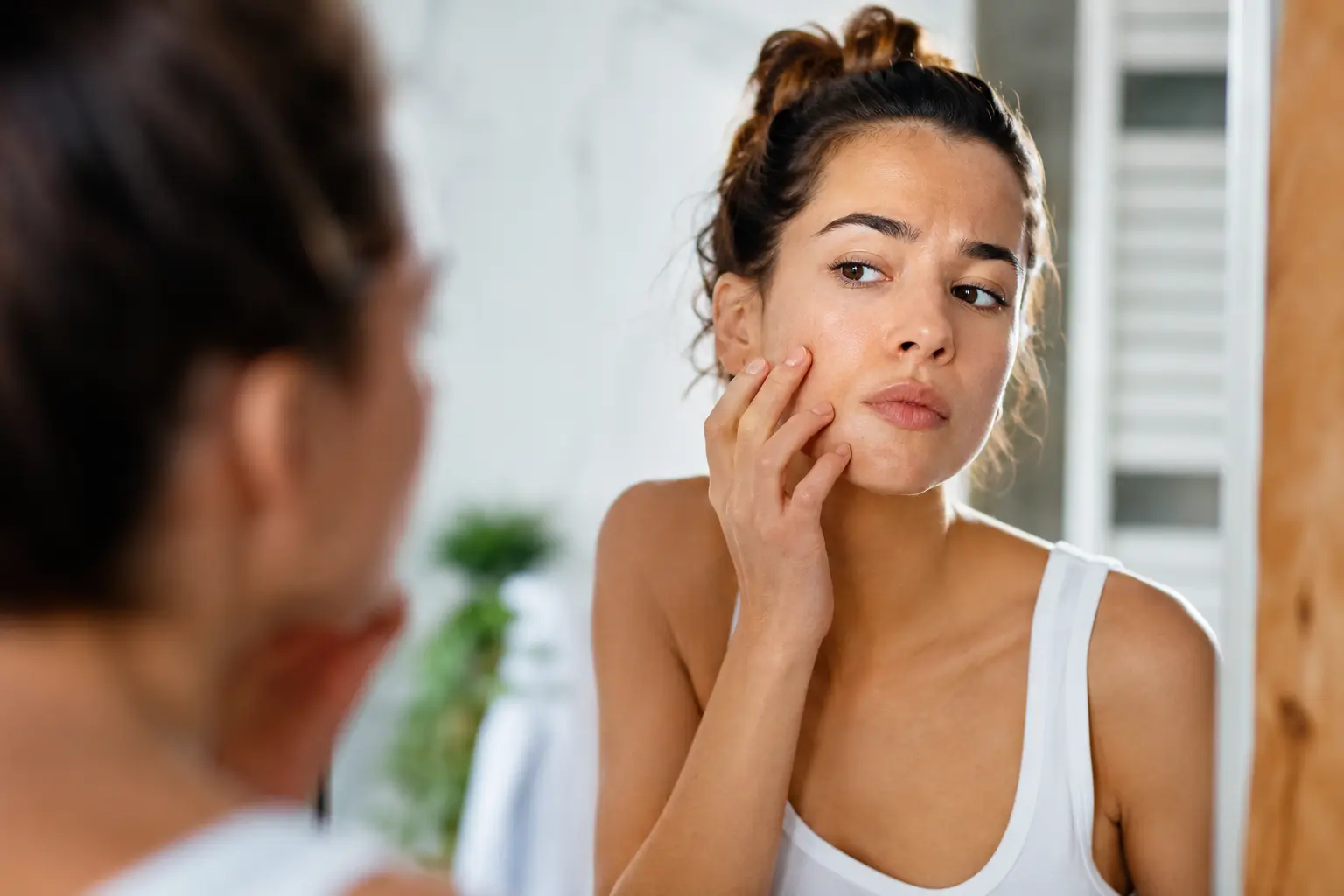
You slather on moisturizer every morning and night, but your skin still feels tight, flaky, and dull by afternoon, and honestly, it’s frustrating because skin hydration mistakes are costing you confidence and money on products that just aren’t working.
The skin barrier and hydration
Your skin’s outer layer, called the stratum corneum, functions like a protective brick wall made of dead skin cells and lipids. This barrier’s primary job is to lock moisture in and keep irritants out. Think of it as your skin’s security system. When this barrier is healthy and intact, it maintains optimal water content and keeps your complexion looking plump and radiant. However, this delicate structure faces constant assault from everyday stressors. Harsh soaps strip away natural oils, environmental pollutants create microscopic damage, and even hot showers can compromise barrier integrity. Women often notice this barrier breakdown accelerates during hormonal shifts or seasonal changes. When the barrier weakens, water escapes from deeper skin layers, leaving the surface dehydrated and vulnerable. This isn’t just a cosmetic concern; a compromised barrier also allows bacteria and irritants to penetrate more easily, potentially triggering sensitivity or breakouts. Understanding this biological mechanism helps explain why your skin hydration mistakes often stem from damaging your barrier rather than simply needing more moisturizer.
The role of moisturizers
Moisturizers work through three distinct mechanisms, each addressing different aspects of hydration. Humectants like glycerin and hyaluronic acid actively draw water from the air and deeper skin layers to the surface, creating a plumping effect you can actually feel within minutes of application. Emollients such as oils and butters smooth the skin’s surface and fill microscopic gaps between cells, creating that soft, supple texture. Occlusives form a protective seal over the skin, preventing water loss through evaporation. Most quality moisturizers combine all three types to maximize effectiveness. However, here’s the critical insight many women miss: moisturizers are temporary solutions. They address the symptom of dryness rather than the underlying cause. A moisturizer can make your skin feel hydrated for hours, but if your barrier is damaged, your diet lacks essential nutrients, or you’re chronically dehydrated internally, that moisturizer’s benefits fade quickly. It’s like putting a band-aid on a wound without treating the infection underneath. This is why dermatologists emphasize that true skin health requires a multifaceted approach beyond product application alone.
Factors affecting skin hydration
Skin hydration depends on interconnected biological and lifestyle factors working in concert. Your diet directly influences skin moisture because essential fatty acids from foods like salmon, walnuts, and flaxseeds form the lipid matrix that holds your barrier together. Without adequate omega-3 and omega-6 fatty acids, your skin literally lacks the building blocks for a strong barrier. Antioxidants from colorful vegetables and fruits protect against free radical damage that accelerates barrier breakdown. Environmental exposure represents another major factor; UV radiation damages collagen and elastin while pollution particles create inflammation that compromises barrier function. Women living in urban areas or spending significant time outdoors often experience accelerated skin dehydration compared to those with controlled environments. Water intake matters too, though the relationship is more nuanced than popular culture suggests. While you can’t hydrate skin purely from drinking water, chronic dehydration does reduce overall skin plumpness and elasticity. Additionally, factors like sleep quality, stress levels, and air humidity all influence how well your skin retains moisture. A woman experiencing high stress might notice her skin becomes noticeably drier because stress hormones trigger inflammatory responses that damage the barrier.
- Improve your diet by including omega-3 fatty acids from fish or flaxseeds and antioxidants from berries, leafy greens, and colorful vegetables to support barrier function.
- Protect your skin from UV rays and pollution with broad-spectrum sunscreen daily and consider antioxidant serums containing vitamin C or vitamin E.
- Stay hydrated by drinking adequate water throughout the day, aiming for consistent intake rather than sporadic large amounts, and monitor your urine color as a hydration indicator.
🔬 Science-backed benefits in 2 minuteschoose where to begin:
The impact of hormones
Hormonal fluctuations create measurable changes in skin hydration that many women experience but don’t fully understand. Estrogen plays a starring role in maintaining skin moisture by stimulating hyaluronic acid production and supporting barrier lipid synthesis. During the follicular phase of your menstrual cycle when estrogen peaks, your skin typically appears more hydrated, plump, and radiant. Conversely, during the luteal phase when estrogen dips, many women notice their skin becomes drier and more reactive. This isn’t imaginary; it’s documented in dermatological research. Menopause represents a more dramatic hormonal shift where estrogen levels decline significantly, often resulting in persistent skin dryness that frustrates women who previously had no hydration issues. Thyroid hormones also influence skin hydration; hypothyroidism commonly causes dry, rough skin because thyroid hormones regulate skin cell turnover and oil production. Even birth control can affect hydration patterns since synthetic hormones alter your body’s natural hormonal rhythm. Women navigating these hormonal transitions often find their previous skincare routine suddenly stops working, leading to confusion and frustration. Recognizing these hormonal influences helps explain why your skin hydration mistakes might be cyclical or why your friend’s skincare routine doesn’t produce the same results for you.
Overcoming skin hydration mistakes
True skin hydration improvement requires abandoning the single-product approach and embracing a comprehensive strategy addressing multiple factors simultaneously. Start by auditing your current routine for barrier-damaging practices; if you’re using hot water, harsh cleansers, or over-exfoliating, these habits undermine everything else you’re doing. Switch to lukewarm water and gentle, pH-balanced cleansers that remove dirt without stripping oils. Next, evaluate your diet honestly; if you’re eating processed foods and skipping healthy fats, your skin reflects that nutritional deficit. Add omega-rich foods intentionally rather than hoping supplements alone will fix the problem. Environmental protection deserves serious attention too; sunscreen isn’t optional, and neither is protecting your skin from pollution if you live in an urban area. Manage stress through practices that work for your lifestyle, whether that’s exercise, meditation, or creative hobbies, because stress hormones directly compromise barrier function. Finally, consider consulting a dermatologist who can assess your individual situation, identify whether hormonal factors are at play, and recommend targeted treatments if needed. This holistic approach takes more effort than simply buying an expensive moisturizer, but it produces lasting results that actually address root causes rather than masking symptoms temporarily.
Understanding skin hydration science
When you understand the biological mechanisms underlying skin hydration, you shift from feeling frustrated by your skin to feeling empowered to improve it. You recognize that your skin barrier is a complex, living structure requiring consistent care and protection. You understand that hormonal changes aren’t character flaws but biological realities that may require adjusting your approach seasonally or during life transitions. You see how diet, water intake, sleep, and stress management aren’t separate from skincare but integral components of it. This knowledge transforms how you evaluate skincare products too; instead of chasing marketing claims, you can assess whether a product actually supports barrier health or merely provides temporary cosmetic improvement. You become skeptical of the idea that one product can solve all your skin concerns because you understand that skin health is multifactorial. Most importantly, you stop blaming yourself for skin hydration mistakes and instead recognize them as opportunities to refine your understanding and approach. Armed with this scientific foundation, you can make informed decisions tailored to your unique biology, lifestyle, and circumstances rather than following generic advice that may not apply to your situation.
Achieving proper skin hydration involves far more than applying moisturizer twice daily. The science reveals that your skin barrier’s integrity, dietary intake of essential fatty acids, environmental protection, internal hydration, hormonal balance, and stress management all work together to determine your skin’s moisture levels. Moisturizers provide temporary relief but cannot address underlying causes of dehydration. Women who recognize these interconnected factors and adopt a holistic approach experience more sustainable improvements in skin hydration and overall skin health.
Can I rely solely on moisturizers for skin hydration?
While moisturizers can help improve skin hydration temporarily, addressing lifestyle factors like diet, water intake, and environmental exposure is essential for long-term skin health. Moisturizers work best as part of a comprehensive approach that includes barrier protection, nutritional support, and stress management rather than as standalone solutions.
How often should I reapply moisturizer to maintain skin hydration?
It is recommended to apply moisturizer at least twice a day, especially after cleansing and before bed, to maintain optimal skin hydration levels. However, the frequency may vary based on your individual skin type, climate, and environmental conditions. Some women find that applying moisturizer to damp skin immediately after cleansing enhances absorption and effectiveness.
Others also read:
Disclaimer: This article is for informational purposes only and is not a substitute for professional medical advice. Always consult a healthcare professional for personal guidance.
This article has been prepared and reviewed by the GlobalHealthBeacon editorial team and is based on current medical research and published scientific literature available in 2026. It provides structured, evidence-based information to support informed health decisions.
