Your muscles are screaming, your energy is tanked, and you’re wondering why recovery feels like it takes forever when biohacking workout recovery could be the difference between grinding through another rough week and actually feeling human again.
Understanding the biohacking approach
Biohacking workout recovery isn’t some mysterious science reserved for elite athletes. It’s about taking control of the levers your body actually responds to. Think of it like this: you wouldn’t drive a high-performance car without premium fuel and regular maintenance, right? Your body works the same way. By strategically adjusting what you eat, how you sleep, and how you train, you’re essentially sending your body a message that recovery matters. A 24-year-old marketing manager I know started tracking her protein intake around workouts and noticed her soreness dropped by half within two weeks. She wasn’t doing anything extreme, just being intentional. That’s biohacking. It’s customizing your approach based on what actually works for your unique physiology, not following generic fitness advice that works for nobody.
- Customizing nutrition to support muscle repair and reduce inflammation
- Implementing sleep strategies for better recovery and hormone balance
- Integrating targeted exercises to enhance mobility and prevent injuries
Unleashing the power of cold therapy
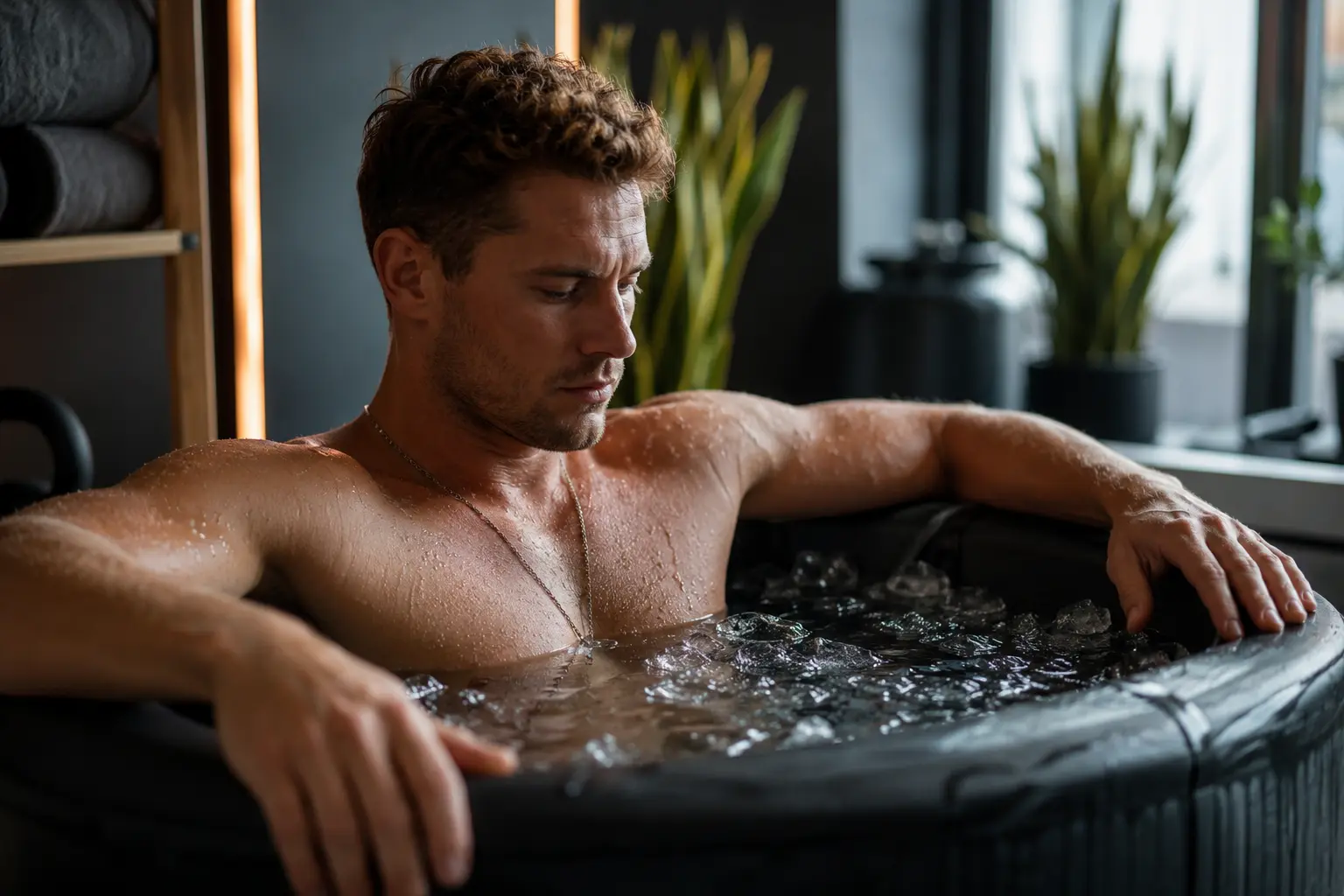
Cold therapy sounds extreme until you feel it working. Ice baths, cold showers, or cryotherapy sessions create a controlled stress on your body that triggers adaptation and healing. The science is solid: cold exposure reduces inflammation markers, numbs muscle soreness temporarily, and kickstarts your parasympathetic nervous system. A lot of young adults report that a 3-minute cold plunge after leg day changes everything. One guy I know was skeptical until he tried it for a month straight and realized his recovery window had shrunk from five days to two. The catch? You have to actually do it consistently. Jumping into ice water once won’t transform anything. But when you commit to regular cold exposure, your body adapts, inflammation drops, and you bounce back faster. Start with cool showers if ice baths feel too intense.
💬 Ready to feel better in 2 minutes?choose where to begin:
The impact of mindfulness practices
Recovery isn’t just physical. Your nervous system needs downtime too, and that’s where mindfulness comes in. Meditation, deep breathing, and visualization aren’t just feel-good practices, they’re active recovery tools. When you’re stressed, your cortisol stays elevated, which slows muscle repair and tanks sleep quality. A 26-year-old software engineer started a five-minute meditation habit after workouts and noticed her sleep improved within days. She wasn’t meditating for hours, just enough to shift her body out of fight-or-flight mode. Visualization works similarly. Before sleep, spend two minutes mentally walking through a smooth, strong workout. Your brain doesn’t distinguish between vivid imagination and reality, so this actually primes your nervous system for better recovery. These practices cost nothing and take minimal time, yet they’re often the missing piece between good training and great results.
Exploring the benefits of sauna therapy
Sauna sessions feel indulgent, but they’re actually a recovery tool backed by research. Heat exposure increases blood flow, flushes metabolic waste from muscles, and triggers heat shock proteins that aid repair. Young adults are catching on fast. A 25-year-old CrossFit enthusiast added two sauna sessions weekly and reported faster recovery and noticeably better endurance within three weeks. The heat also relaxes your nervous system, which improves sleep that night. The key is consistency and safety: start with 10-15 minutes at moderate heat, not extreme temperatures. Pair it with hydration and you’ve got a powerful recovery tool that doubles as stress relief. Many gyms now have saunas, and the investment pays off when you’re recovering faster and feeling more resilient.
Biohacking workout recovery offers a personalized and scientific approach to optimizing your body’s healing mechanisms through nutrition, sleep, exercise, and innovative therapies like cold therapy, mindfulness practices, and sauna therapy. These strategies can improve performance, reduce soreness, and enhance overall well-being.
How long does it take to see results from biohacking workout recovery?
Results vary depending on individual factors, but many people notice improvements in energy levels, workout performance, and recovery time within a few weeks of consistent biohacking practices.
Are there any risks associated with biohacking recovery methods?
While biohacking strategies are generally safe when done correctly, it’s essential to consult with a healthcare professional before implementing any new techniques, especially if you have underlying health conditions.
Others also read:
Disclaimer: This article is for informational purposes only and is not a substitute for professional medical advice. Always consult a healthcare professional for personal guidance.
This article presents an experience-based perspective and has been reviewed by the GlobalHealthBeacon editorial team in 2026. It provides structured, evidence-based information to support informed health decisions.
