Your muscles are screaming, your energy is tanked, and you’re stuck in that frustrating cycle where recovery takes forever and you can’t seem to bounce back between workouts – but what if biohacking workout recovery could actually change that?
Understanding biohacking recovery
Biohacking recovery isn’t some mysterious science reserved for elite athletes. It’s a practical approach where women use evidence-based techniques to help their bodies heal faster and stronger after workouts. Think of it as giving your body the right tools and conditions to do what it naturally wants to do: repair and rebuild. For many women, traditional recovery advice falls short because female physiology has unique needs. Your hormonal cycle, muscle composition, and recovery timeline differ from men’s, which means a one-size-fits-all approach often leaves you frustrated. Biohacking recovery addresses this by combining targeted sleep optimization, strategic nutrition timing, and deliberate stress reduction. When Sarah, a 35-year-old runner, started tracking her sleep quality and adjusting her evening routine to hit seven to nine hours consistently, she noticed her leg soreness decreased by half within two weeks. She wasn’t doing anything extreme, just being intentional about recovery windows. The key is understanding that recovery happens outside the gym, not during it. Your workout is just the stimulus; what you do in the hours and days after determines whether you actually get stronger or just stay tired.
- Incorporate quality sleep into your routine to allow the body to repair and regenerate.
- Opt for nutrient-dense foods that support muscle recovery and reduce inflammation.
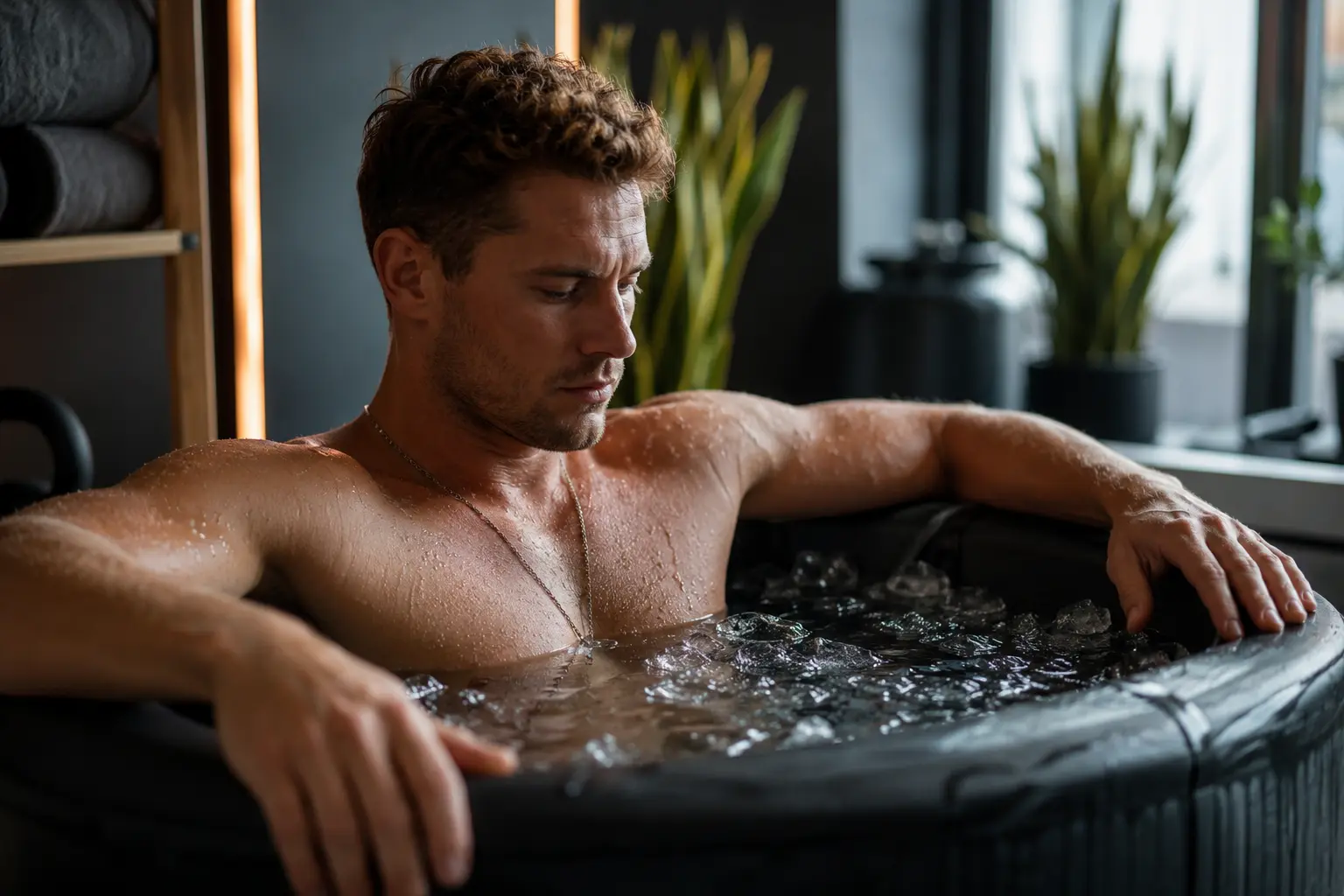
- Utilize cryotherapy or cold showers to reduce muscle soreness and speed up recovery.
Biohacking recovery supplements for women
The supplement aisle can feel overwhelming, especially when marketing claims promise everything. But certain supplements genuinely support women’s recovery when chosen thoughtfully. Collagen peptides have become popular because they directly support joint and connective tissue repair, which matters if you’re doing strength training or running. Many women report less joint discomfort within three to four weeks of consistent use. Adaptogens like ashwagandha and rhodiola help manage cortisol spikes from intense training, which is particularly relevant during high-stress phases of your cycle when your body is already managing elevated hormones. Magnesium glycinate taken before bed improves sleep quality and muscle relaxation simultaneously, addressing two recovery needs at once. The mistake most women make is buying everything at once and expecting immediate results. Instead, introduce one supplement, use it consistently for three weeks, and honestly assess whether you notice a difference in soreness, sleep, or energy. Jessica, a CrossFit enthusiast, added magnesium first and saw better sleep within days. She waited two weeks before adding collagen, which helped her knee feel more stable during squats. This methodical approach lets you identify what actually works for your body rather than wasting money on products that don’t move the needle for you.
📘 Fix your day in under 2 minuteschoose where to begin:
Biohacking recovery wearables and devices
Wearables turn recovery from guesswork into data. A fitness tracker or smartwatch can monitor your heart rate variability, which reflects your nervous system’s readiness to handle stress and training. When your HRV drops, it’s your body’s way of saying you need more recovery before pushing hard again. Many women find this insight game-changing because they stop pushing through fatigue and instead respect their body’s signals. Sleep tracking shows you not just hours slept but sleep stages, revealing whether you’re actually getting deep, restorative sleep or just lying in bed. A Whoop band or Oura ring can tell you if that seven-hour night was genuinely restful or fragmented and shallow. Temperature-based recovery devices like Theragun or NormaTec compression boots accelerate blood flow to tired muscles, reducing soreness noticeably within 24 hours. The practical tip: start with one metric that matters to you. If sleep is your weak point, invest in a device that tracks sleep quality. If you’re curious about training readiness, focus on HRV. Emma used her smartwatch to notice her HRV consistently dropped the day after intense leg workouts, so she scheduled lighter training on those days instead of fighting her body’s natural recovery needs. The data removes emotion from the equation and lets you train smarter.
Mindfulness and recovery techniques
Your nervous system plays a massive role in recovery, yet most women ignore it entirely. When you’re stressed, your body stays in fight-or-flight mode, which slows healing and keeps inflammation high. Mindfulness practices interrupt this pattern by activating your parasympathetic nervous system, the part responsible for rest and repair. A simple ten-minute meditation after workouts can lower cortisol and heart rate faster than passive rest alone. Deep breathing exercises, especially extended exhales, signal safety to your nervous system and trigger relaxation responses. Yoga combines gentle movement with breathing, making it ideal on recovery days because it maintains mobility without creating new muscle damage. The common mistake is treating mindfulness as optional or nice-to-have rather than essential recovery infrastructure. Michelle, a busy mom and fitness enthusiast, initially skipped meditation thinking it was wasting workout time. When she committed to five minutes of breathwork after each session, her sleep improved, her anxiety dropped, and her muscle soreness decreased noticeably. She realized that stress management directly affected her physical recovery. You don’t need an hour-long meditation retreat; even three minutes of intentional breathing between sets or after your session creates measurable shifts in your recovery capacity.
Personalized biohacking recovery plans
Generic recovery advice fails because your body isn’t generic. Your hormonal cycle, training intensity, stress levels, sleep baseline, and nutrition habits are uniquely yours. A personalized plan starts by identifying your biggest recovery bottleneck. Is it sleep quality? Nutrition timing? Stress management? Muscle soreness? Pick one area and measure it for one week. Track how many hours you sleep, how sore you feel on a scale of one to ten, your energy levels, and your mood. This baseline shows you what’s actually limiting your recovery. Then implement one change targeting that bottleneck for two to three weeks while keeping everything else constant. If sleep is your issue, prioritize consistent bedtime and morning light exposure. If soreness is the problem, add stretching or cold exposure. After three weeks, assess whether that change moved the needle. If yes, keep it and address the next bottleneck. If no, try something different. This experimental approach prevents overwhelm and builds a recovery system that actually fits your life. Rachel discovered through tracking that her soreness peaked when she skipped magnesium and slept less than seven hours, so she made those non-negotiable. She didn’t need expensive devices or complicated protocols; she needed to understand her own patterns. Your personalized plan evolves as your life changes, so revisit it every three months and adjust based on what you’re learning about your body.
Biohacking recovery offers women a comprehensive approach to enhance their post-workout recovery naturally. By incorporating sleep, nutrition, supplements, wearables, mindfulness practices, and personalized plans, women can optimize their recovery process for improved performance and well-being.
What are the key benefits of biohacking workout recovery for women?
Biohacking workout recovery for women can lead to improved muscle repair, reduced inflammation, faster recovery, enhanced performance, and overall well-being.
Are biohacking recovery techniques safe for women to use?
When implemented responsibly and with guidance from healthcare professionals, biohacking recovery techniques can be safe and beneficial for women during their fitness journey.
Others also read:
Disclaimer: This article is for informational purposes only and is not a substitute for professional medical advice. Always consult a healthcare professional for personal guidance.
This guide has been prepared and reviewed by the GlobalHealthBeacon editorial team and reflects current medical research as of 2026. It provides structured, evidence-based information to support informed health decisions.
