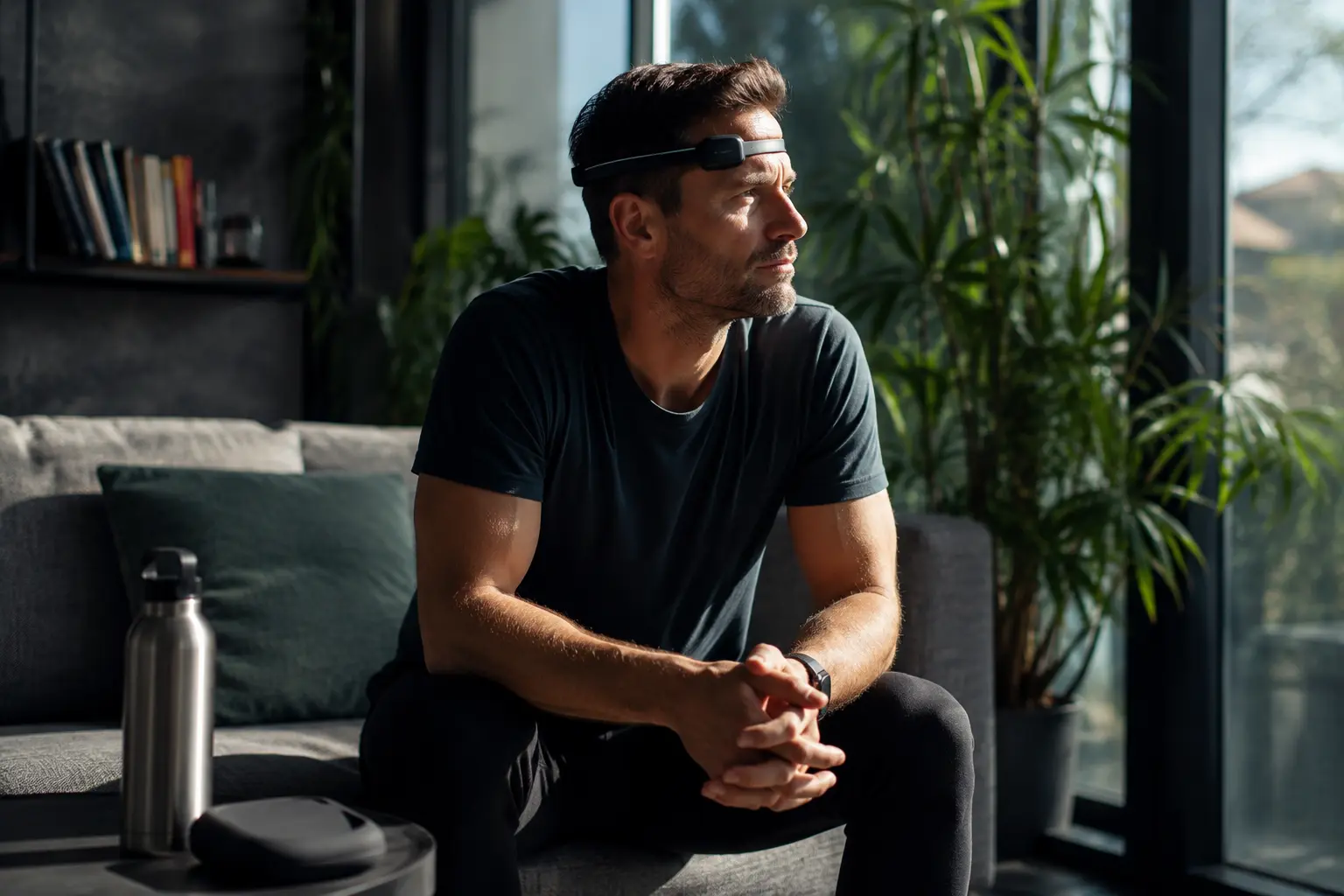
You wake up at 5 AM already exhausted, your mind racing before your feet hit the floor, and by noon you feel like you have nothing left to give, but biohacking stress recovery is the quiet revolution that’s helping women like you reclaim their energy and sanity.
Understanding biohacking for stress recovery
Biohacking sounds intimidating, but it’s really just the art of making intentional tweaks to how you live, eat, and think to feel better. For stress recovery specifically, you’re targeting the root causes of that constant tension in your shoulders, the brain fog that won’t lift, and the exhaustion that sleep doesn’t seem to fix. Think of it like debugging your own system. Maybe you notice that caffeine after 2 PM keeps you wired until midnight, sabotaging your sleep and making you more reactive to stress the next day. Or perhaps you realize that skipping breakfast leaves you hangry and irritable by mid-morning, turning minor frustrations into full meltdowns. Biohacking stress recovery means experimenting with these variables one at a time, noticing what shifts, and building a personalized toolkit that actually works for your life instead of following generic wellness advice that never stuck before.
- Practicing mindfulness and meditation can help reduce stress levels by training your nervous system to respond rather than react.
- Regular exercise releases endorphins that combat the effects of stress and improves sleep quality naturally.
- Improving sleep quality through a consistent bedtime routine can aid in stress recovery by allowing your body to repair and reset.
Benefits of biohacking for stress recovery
When you start biohacking your stress recovery, the shifts are subtle at first but deeply real. You might notice that on days you prioritize a 10-minute morning breathing practice, you handle your kid’s meltdown or your boss’s email with more patience. Or that swapping your evening wine for herbal tea means you wake up clearer, less reactive, less like you’re already behind before the day begins. Over weeks, these small wins compound. Your anxiety doesn’t disappear overnight, but it loosens its grip. You laugh more easily. You don’t snap at your partner over something trivial. Your resilience grows not because you’re stronger, but because you’re actually recovering between stressors instead of running on fumes. Many women report feeling like themselves again, not the burnt-out version that had become their new normal. That’s the real benefit: not perfection, but genuine relief and the return of energy for the things that matter.
💬 Ready to feel better in 2 minutes?choose where to begin:
Practical tips for implementing stress recovery biohacking
Start where you are, not where you think you should be. Spend a few days just noticing your stress patterns. When do you feel most overwhelmed? What time of day? What triggers it? Is it always the same situation, or does it shift? Once you’ve identified your primary stressors, pick one small experiment. Maybe it’s adding a 5-minute walk after lunch, or keeping your phone out of the bedroom, or eating protein with breakfast instead of just coffee. Give it two weeks and notice what changes. Did your afternoon energy improve? Did you sleep better? Did you feel less reactive? Then add another layer. Common mistakes include trying to overhaul everything at once, comparing your progress to someone else’s, or abandoning the approach after a few days because you didn’t feel like a different person immediately. Biohacking works because it’s sustainable and personalized. What calms your nervous system might energize your friend’s, and that’s perfectly fine. The goal is building a system that fits your actual life, not some idealized version of it.
Real stories of women who found relief through biohacking
Sarah, a marketing manager with two kids, felt like she was drowning by 3 PM every day. She started biohacking by adding adaptogenic herbs like ashwagandha to her morning routine and noticed within three weeks that the afternoon panic had softened. She wasn’t suddenly zen, but the edge was less sharp. Meanwhile, Maya realized her biggest stressor was her relationship with her phone. She set a hard cutoff at 8 PM and started a 20-minute wind-down ritual with tea and journaling instead. Within a month, her sleep improved so dramatically that her stress tolerance increased across the board. Then there’s Jennifer, who discovered that her stress spiked on days she skipped the gym, so she reframed exercise not as punishment but as her non-negotiable stress recovery tool. These women didn’t find one magic solution. They found their own combination of practices that actually stuck because they felt good and made sense for their lives. That’s what biohacking stress recovery really is: permission to experiment, fail, adjust, and build something that works for you.
Biohacking stress recovery offers a personalized approach to combating the negative impact of stress on your daily life. By adopting small, intentional changes focused on your well-being, you can experience improved mental health, reduced anxiety, and increased resilience to stressors.
What are some simple biohacking techniques for stress recovery?
Simple biohacking techniques for stress recovery include practicing mindfulness, engaging in regular exercise, and prioritizing quality sleep through a consistent bedtime routine.
How long does it take to see results from stress recovery biohacking?
Results from stress recovery biohacking vary from person to person, but consistency is key. Some individuals may notice improvements in their stress levels and overall well-being within a few weeks of implementing biohacking strategies.
Others also read:
Disclaimer: This article is for informational purposes only and is not a substitute for professional medical advice. Always consult a healthcare professional for personal guidance.
This article presents an experience-based perspective and has been reviewed by the GlobalHealthBeacon editorial team in 2026. It provides structured, evidence-based information to support informed health decisions.
