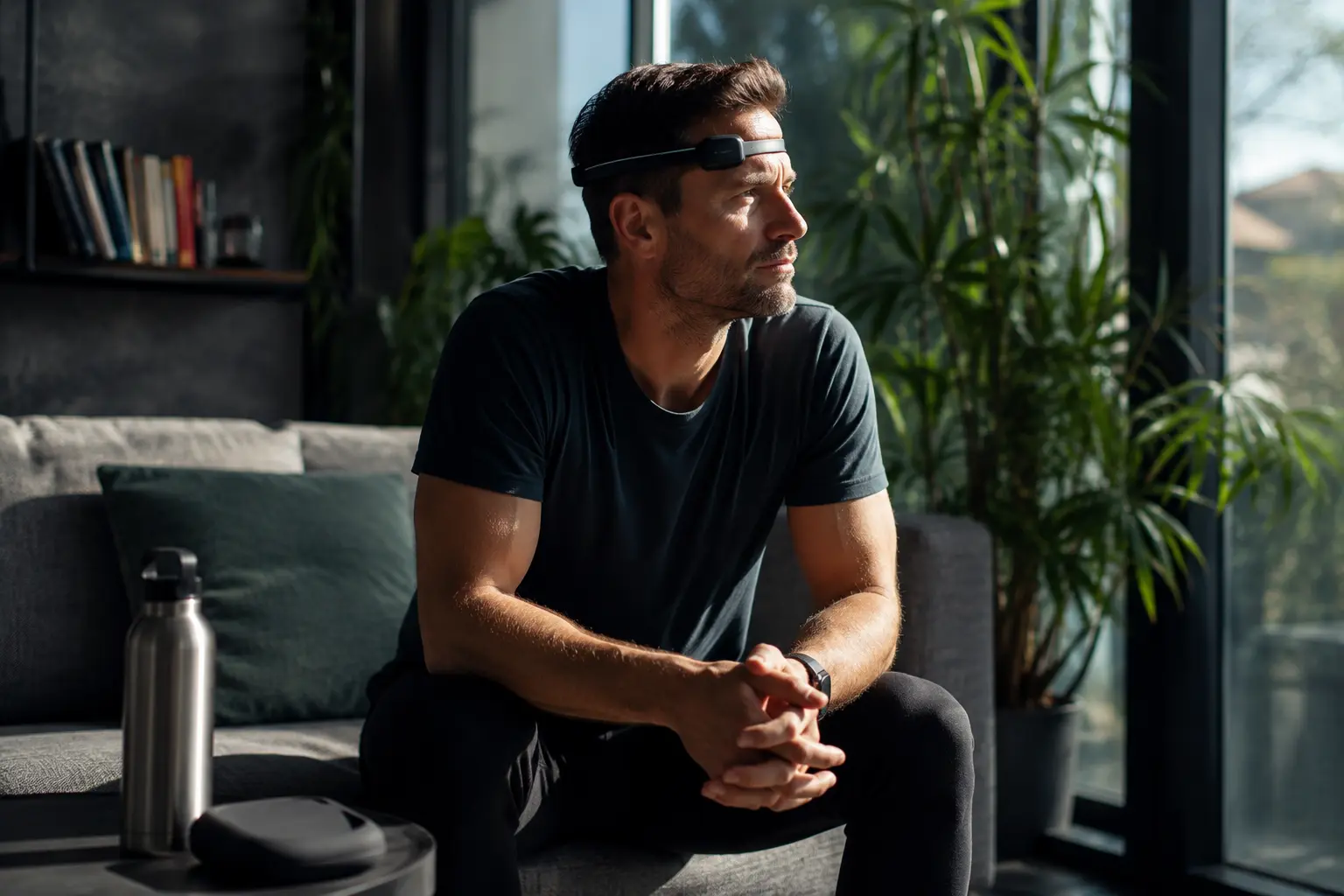
Your shoulders are tight, sleep feels impossible, and that constant knot in your chest won’t quit—but biohacking stress recovery might be the practical reset your body has been begging for.
Understanding biohacking stress recovery
Biohacking stress recovery sounds technical, but it’s really about making small, intentional changes to how you live that add up to big improvements in how you feel. Think of it like tuning an instrument: each adjustment makes the whole system work better. For seniors, this means looking at what you eat, how you move, when you sleep, and even how you breathe. A 68-year-old retired teacher might notice that swapping her morning coffee for herbal tea and adding ten minutes of deep breathing cuts her afternoon anxiety in half. Another might find that eating more omega-3 rich fish and less processed food sharpens his focus and steadies his mood within weeks. The key is that these aren’t drastic overhauls. You’re working with your body’s natural rhythms and biology, not against them. Start by picking one or two areas to adjust, track how you feel, and build from there. This methodical approach helps you see what actually works for your unique situation.
- Incorporate mindfulness practices like meditation or deep breathing exercises into your daily routine.
- Prioritize nutritious, anti-inflammatory foods such as leafy greens, fatty fish, and whole grains.
- Engage in regular physical activity to release endorphins and reduce stress levels.
Enhancing sleep quality for stress recovery
Sleep is where your body does its real repair work, yet many seniors find themselves lying awake at 3 a.m. or waking exhausted after eight hours. Quality sleep matters more than quantity. Start by setting a firm bedtime and wake time, even on weekends, because your body thrives on rhythm. Two hours before bed, dim the lights and step away from screens. The blue light tricks your brain into thinking it’s still daytime. Consider a warm bath with Epsom salts, a cup of chamomile tea, or gentle stretching to signal to your nervous system that it’s time to wind down. Your bedroom should be cool, dark, and quiet. If outside noise is an issue, earplugs or a white noise machine can help. One 72-year-old found that keeping a notepad by her bed to jot down worries before sleep helped her stop mentally rehashing the day. Another discovered that a consistent 20-minute evening walk improved his sleep depth dramatically. Avoid heavy meals, alcohol, and caffeine after mid-afternoon. These small shifts compound over weeks, and you’ll likely notice deeper, more restorative sleep.
📘 Fix your day in under 2 minuteschoose where to begin:
Utilizing technology for stress management
You don’t need to be tech-savvy to benefit from tools designed for stress relief. Wearable devices like smartwatches can track your heart rate variability, showing you real-time data about your stress levels throughout the day. Apps like Calm, Headspace, or Insight Timer offer guided meditations ranging from three to thirty minutes, so you can fit practice into your schedule. Biofeedback devices measure physical responses like breathing and heart rate, then guide you back to calm through visual or audio cues. A 70-year-old retiree used a simple meditation app for just five minutes each morning and noticed her baseline anxiety dropped noticeably within two weeks. Another gentleman used a stress-tracking wearable to identify that his afternoon slump coincided with skipped lunch, so he adjusted his eating schedule and felt more stable. The technology itself isn’t magic, but it gives you concrete feedback and removes guesswork. You see patterns you might otherwise miss. Start with one tool that appeals to you, use it consistently for at least two weeks, then decide if it’s helping. Many of these apps offer free trials, so there’s no financial risk in experimenting.
The power of social connection in stress reduction
Loneliness is a silent stressor that many seniors face, and it directly impacts your nervous system and immune function. Regular meaningful interaction with others is one of the most underrated stress-busters available. This doesn’t mean forced socializing. It means finding your people and your rhythm. A weekly coffee date with an old friend, a book club that meets monthly, a volunteer shift at a local food bank, or even a regular phone call with a grandchild all count. One 75-year-old joined a community garden and found that tending plants alongside neighbors became a natural stress outlet. Another started a weekly dinner rotation with friends, which gave her something to anticipate and plan for. Even introverted seniors benefit from connection, though they might prefer smaller groups or one-on-one time. The key is consistency and genuine interest. Your body recognizes the difference between obligatory socializing and real connection. When you feel seen and valued by others, your cortisol levels drop and your sense of resilience rises. If mobility is an issue, virtual meetups, online classes, or community programs that offer transportation can work just as well.
Embracing mind-body practices for stress relief
Practices like yoga, tai chi, and qigong have been used for centuries to calm the nervous system, and they work especially well for seniors because they’re low-impact and adaptable to any fitness level. These aren’t just stretching routines. They combine deliberate movement, focused breathing, and mental awareness in a way that signals safety to your body. A 73-year-old with arthritis found that gentle yoga twice a week reduced both her joint stiffness and her anxiety. Another gentleman discovered tai chi through a community center class and appreciated how the slow, flowing movements helped him feel grounded and present. You don’t need to be flexible or athletic to start. Most classes have modifications, and instructors are used to working with older adults. Even fifteen minutes of slow, mindful movement can shift your nervous system from fight-or-flight to rest-and-digest. The breathing component is crucial. When you breathe slowly and deeply, you’re directly calming your vagus nerve, which controls your stress response. Try a local class first to learn proper form, or use online videos designed for seniors. The combination of movement, breath, and focus creates a powerful reset that lasts hours after you finish.
Biohacking stress recovery offers seniors a comprehensive toolkit of lifestyle adjustments, technology integration, sleep optimization, social engagement, and mind-body practices to effectively manage and reduce stress for improved overall well-being.
How long does it take to see results from biohacking stress recovery?
Results from biohacking stress recovery can vary depending on individual factors. Consistent implementation of stress-reducing strategies may lead to noticeable improvements in sleep quality, mood, and resilience within a few weeks to a few months.
Is biohacking stress recovery safe for seniors with existing health conditions?
Before embarking on a biohacking stress recovery journey, seniors with pre-existing health conditions should consult with their healthcare provider for personalized guidance. It is essential to ensure that any lifestyle modifications align with their medical needs and overall well-being.
Others also read:
Disclaimer: This article is for informational purposes only and is not a substitute for professional medical advice. Always consult a healthcare professional for personal guidance.
This guide has been prepared and reviewed by the GlobalHealthBeacon editorial team and reflects current medical research as of 2026. It provides structured, evidence-based information to support informed health decisions.
