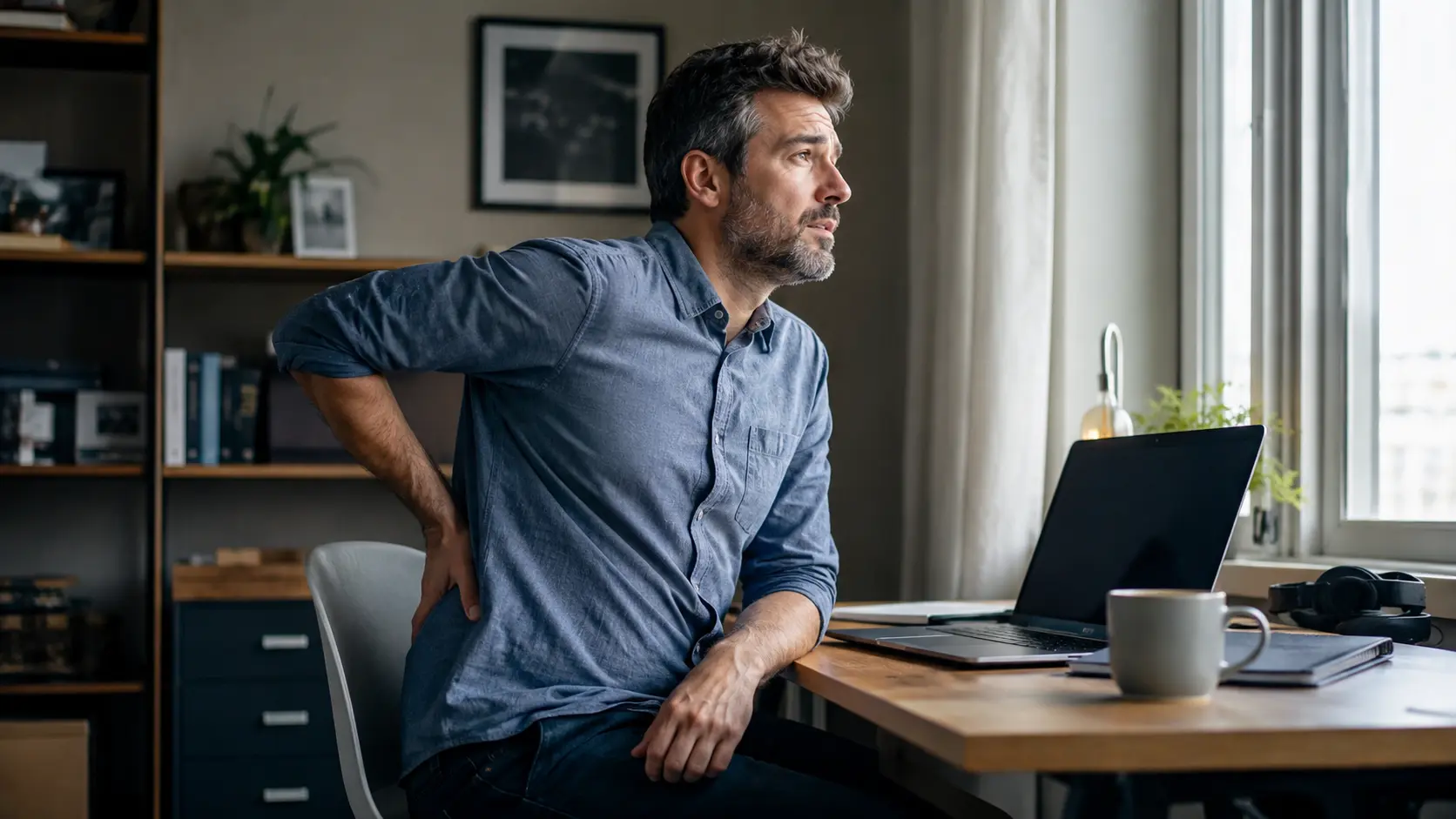
Your back aches, your legs feel heavy, and you realize you have not stood up in three hours, sitting is the new smoking and that creeping dread you feel might actually be your body sending real warning signals.
Mechanism of harm
When you sit for extended periods, your body enters a state of metabolic slowdown that scientists are only beginning to fully understand. Picture this: a 70-year-old retiree spends most of their day in a recliner watching television. Within hours, their muscles stop contracting, blood flow slows, and insulin sensitivity drops. Long hours of sitting reduce the activity of lipoprotein lipase, an enzyme responsible for breaking down fat in your bloodstream. This metabolic shift increases risk of heart disease, type 2 diabetes, and obesity. Your muscles, particularly in the legs and core, begin to atrophy when unused. Blood pools in your lower extremities rather than circulating efficiently. Even more concerning, prolonged sitting affects how your body regulates blood sugar, making it harder to maintain healthy glucose levels. The longer you remain sedentary, the more pronounced these changes become, creating a cascade of physiological stress that compounds over time.
Comparing risks
The phrase sitting is the new smoking emerged from research showing striking parallels between sedentary behavior and tobacco use. Both habits narrow your arteries, increase inflammation throughout your body, and raise your risk of premature death. A 65-year-old who sits eight hours daily faces cardiovascular risks comparable to someone who smokes moderately. Studies tracking thousands of adults found that sedentary individuals had higher rates of heart disease, certain cancers, and early mortality, independent of exercise. However, the comparison has important nuances. Smoking damages lungs directly and immediately, while sitting harms you through metabolic disruption and circulatory stress over time. Both create a vicious cycle: smoking reduces oxygen capacity, sitting reduces muscle engagement. Neither habit is reversible overnight, but both respond to intervention. The key insight is that inactivity is not simply the absence of activity, it is an active biological process that damages your health in measurable, quantifiable ways.
Impact on seniors
Seniors face unique vulnerabilities when it comes to prolonged sitting. Muscle mass naturally declines with age, losing roughly three to five percent per decade after age 30. Add sedentary behavior to this equation, and the decline accelerates dramatically. An 75-year-old who sits most of the day loses strength in their legs, hips, and back, making simple tasks like rising from a chair or climbing stairs increasingly difficult. This weakness creates a dangerous feedback loop: difficulty moving leads to more sitting, which causes further muscle loss. Falls become more likely, fractures more severe. Cardiovascular health deteriorates faster in sedentary seniors because their hearts work less efficiently. Blood pressure regulation suffers. Cognitive function can decline as reduced blood flow means less oxygen reaching the brain. Seniors also experience stiffness in joints, reduced flexibility, and postural problems from hours spent hunched over. The good news is that even modest movement interventions can reverse many of these effects, but awareness and action must come early.
- Incorporate regular movement breaks into your day, aiming for at least five minutes of light activity every hour, whether that means standing, stretching, or walking slowly around your home.
- Engage in low-impact exercises like walking, swimming, or tai chi that build strength and balance without stressing your joints, starting with just 10 to 15 minutes daily.
- Consider using a standing desk, adjustable workstation, or simply standing while reading or watching television to break up sitting time throughout your day.
🔬 Science-backed benefits in 2 minuteschoose where to begin:
Biological consequences
Your body is designed for movement, and when you deny it that movement, consequences ripple through every system. Sitting for extended periods reduces blood flow to your legs, feet, and lower back, starving tissues of oxygen and nutrients. Your muscles, when inactive, stop producing compounds that help regulate metabolism and inflammation. Collagen in your joints stiffens without regular movement, reducing flexibility and increasing pain. Your spine, which relies on movement to distribute nutrients to its discs, begins to degenerate when you remain still for hours. Posture suffers as your chest tightens and your shoulders round forward, a position reinforced by every hour spent sitting. This postural change compresses your lungs slightly, reducing oxygen intake. Back pain develops not from sitting itself but from the combination of weak core muscles and poor spinal alignment that prolonged sitting creates. Your cardiovascular system weakens as your heart pumps less vigorously. Even your bones lose density faster when muscles do not pull on them regularly. These biological changes happen silently, often without pain or obvious symptoms, until one day simple movements become difficult or impossible.
Preventive measures
Counteracting the harmful effects of prolonged sitting does not require joining a gym or training for a marathon. Start by becoming aware of your sitting patterns. Track how many hours you spend seated each day, then identify opportunities to break that time into smaller chunks. Set a timer to stand and move every 45 minutes. Walk to the mailbox, do gentle stretches at your kitchen counter, or march in place while listening to music. Proper ergonomics matter too: if you must sit, adjust your chair so your feet rest flat on the floor and your knees bend at 90 degrees. Your screen should be at eye level to prevent neck strain. Consider a cushion to support your lower back. But the real key is movement variety. Walking is excellent, but add swimming for cardiovascular benefit without joint stress, or gentle yoga to improve flexibility and balance. Strength training, even light resistance work with bands or light weights twice weekly, helps rebuild muscle mass. The goal is not perfection but consistency. Small, regular movement throughout your day accumulates into significant health benefits over weeks and months.
Future outlook
As research continues to reveal the dangers of sedentary living, the message for seniors becomes clearer: movement is medicine. The good news is that your body responds quickly to change. Within days of increasing activity, your blood sugar regulation improves. Within weeks, your cardiovascular fitness increases and your mood lifts. Within months, you rebuild muscle, improve balance, and regain confidence in your physical abilities. The future does not have to mean accepting decline as inevitable. Many seniors who have made the shift from sedentary to active report feeling stronger, more energetic, and more engaged with life than they have in years. Your age is not a barrier, it is simply your starting point. By staying informed about the risks of prolonged sitting and taking deliberate steps to move more, you take control of your health trajectory. The research is clear: sitting is the new smoking, but unlike smoking, the antidote is simple, free, and available to you right now.
Prolonged sitting creates measurable biological harm through metabolic slowdown, reduced blood flow, and muscle loss, effects that accumulate silently over time. Seniors face heightened risk due to age-related muscle decline and reduced mobility, making even modest movement interventions crucial for maintaining independence and health.
Is sitting really as harmful as smoking?
While sitting does not damage lungs like smoking does, prolonged sedentary behavior triggers similar metabolic and cardiovascular harm over time. Both habits increase inflammation, narrow arteries, and raise mortality risk. The comparison highlights that inactivity is an active biological process causing real damage, not simply the absence of activity.
What are some simple ways for seniors to reduce sitting time?
Stand and move for five minutes every hour, take short walks around your home, do gentle stretches while watching television, use a standing desk or counter workspace, engage in low-impact exercise like swimming or tai chi, and incorporate light strength training twice weekly. Small, consistent movements throughout your day accumulate into significant health benefits.
Others also read:
Disclaimer: This article is for informational purposes only and is not a substitute for professional medical advice. Always consult a healthcare professional for personal guidance.
This article has been prepared and reviewed by the GlobalHealthBeacon editorial team and is based on current medical research and published scientific literature available in 2026. It provides structured, evidence-based information to support informed health decisions.
