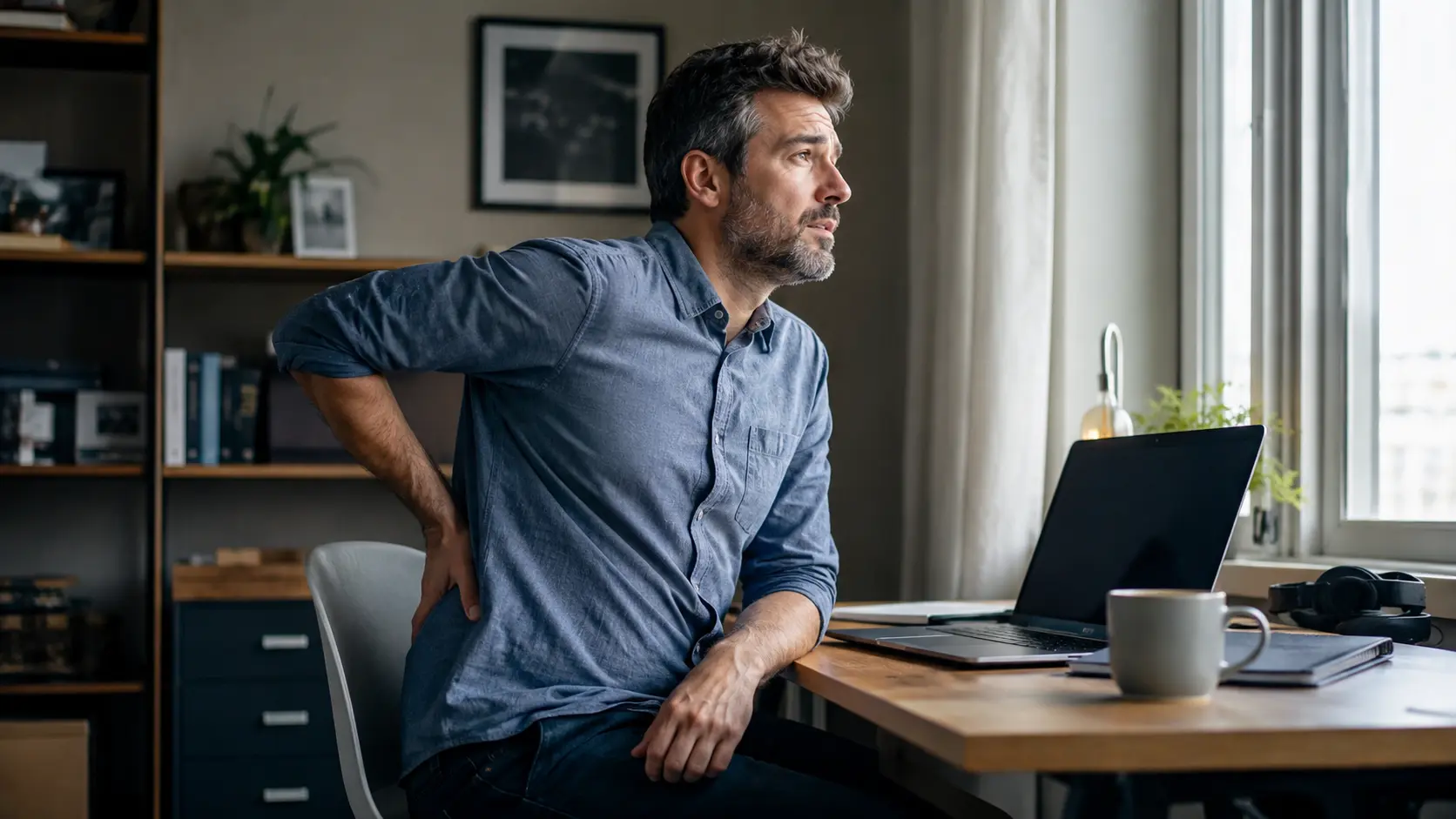
Your back aches, your knees creak, and you feel like your body is slowly shutting down from all that sitting, and honestly, sitting is the new smoking when it comes to what it’s doing to your health.
The silent killer: how sitting compromises your health
I remember my friend Margaret, a retired teacher, mentioning how she spent most of her career standing in front of classrooms. Once she retired, she found herself glued to her recliner watching television and reading. Within two years, she struggled to walk to her mailbox without feeling winded. What she didn’t realize was that prolonged sitting had silently transformed her body. Her metabolism had slowed dramatically, her muscles had weakened, and her cardiovascular system had become less efficient. The research backs this up: sitting all day doesn’t just make you feel sluggish, it fundamentally changes how your body functions. Your heart has to work harder, your circulation becomes sluggish, and your muscles begin to atrophy. For seniors especially, this decline happens faster and feels more pronounced because our bodies are already navigating the natural changes that come with aging.
- Sitting slows down your metabolism, leading to weight gain.
- Muscle stiffness and back pain are common consequences of prolonged sitting.
- Sedentary behavior increases the risk of cardiovascular diseases.
Breaking the cycle: simple ways to move more every day
Here’s what changed everything for Margaret: she didn’t overhaul her life overnight. Instead, she started small. Every morning, she committed to a ten-minute walk around her neighborhood before breakfast. During her favorite television shows, she stood up and did gentle stretches during commercial breaks. She parked her car farther away from store entrances and took the stairs instead of the elevator. These tiny shifts accumulated into something powerful. Within six months, she had more energy, her back pain had diminished, and she felt genuinely better. The key is consistency over intensity. You don’t need a gym membership or fancy equipment. Simple habits like standing while talking on the phone, doing light gardening, or even dancing to your favorite music count. The goal is to interrupt those long stretches of sitting with movement, any movement. Even standing up for five minutes every hour can make a measurable difference in how you feel and function.
💬 Ready to feel better in 2 minutes?choose where to begin:
Mindful movement: the power of regular exercise
When Margaret’s doctor suggested she try swimming, she was skeptical. She hadn’t been in a pool in decades. But the warm water supported her joints, and the gentle resistance helped rebuild the muscle strength she’d lost. Swimming became her anchor activity, something she looked forward to three times a week. Regular exercise doesn’t have to mean intense workouts. For seniors, activities like walking, swimming, tai chi, or gentle yoga offer tremendous benefits without the injury risk of high-impact exercise. These activities improve your cardiovascular health, strengthen your muscles, enhance your balance, and boost your mental clarity. The emotional benefit matters too. Margaret told me she felt more confident, less anxious about her health, and genuinely happier. Exercise is the antidote to the sedentary trap, and it works best when you choose something you actually enjoy doing.
The silver lining: small changes, big impact
Looking back at Margaret’s journey, what strikes me most is how manageable it all became once she started. The sitting panic that initially overwhelmed her transformed into quiet determination. She realized that she wasn’t fighting against her age or her body, she was simply honoring it by moving it. Every small change she made added up. The morning walks became a cherished ritual. The stretching during television became automatic. The parking farther away became second nature. A year later, she was hiking with her grandchildren, something she thought she’d never do again. The point isn’t perfection, it’s progress. You don’t need to become a fitness enthusiast overnight. You just need to recognize that your body is designed for movement, and even modest amounts of it can restore your energy, your strength, and your sense of possibility.
Sitting is indeed the new smoking when it comes to its detrimental effects on health. From weight gain to muscle stiffness and increased risk of diseases, the consequences of prolonged sitting are significant. However, by incorporating simple habits like regular movement and exercise, you can mitigate these risks and improve your overall well-being.
Can sitting all day really be as harmful as smoking?
While sitting may not be as immediately harmful as smoking, prolonged sedentary behavior has been linked to a wide range of health concerns, including increased risk of heart disease and weight gain.
What are some practical ways to reduce the negative effects of sitting?
Incorporating regular movement breaks, standing up every hour, and engaging in exercise like walking or yoga can help counteract the harmful effects of prolonged sitting and improve your overall health.
Others also read:
Disclaimer: This article is for informational purposes only and is not a substitute for professional medical advice. Always consult a healthcare professional for personal guidance.
This article presents an experience-based perspective and has been reviewed by the GlobalHealthBeacon editorial team in 2026. It provides structured, evidence-based information to support informed health decisions.
