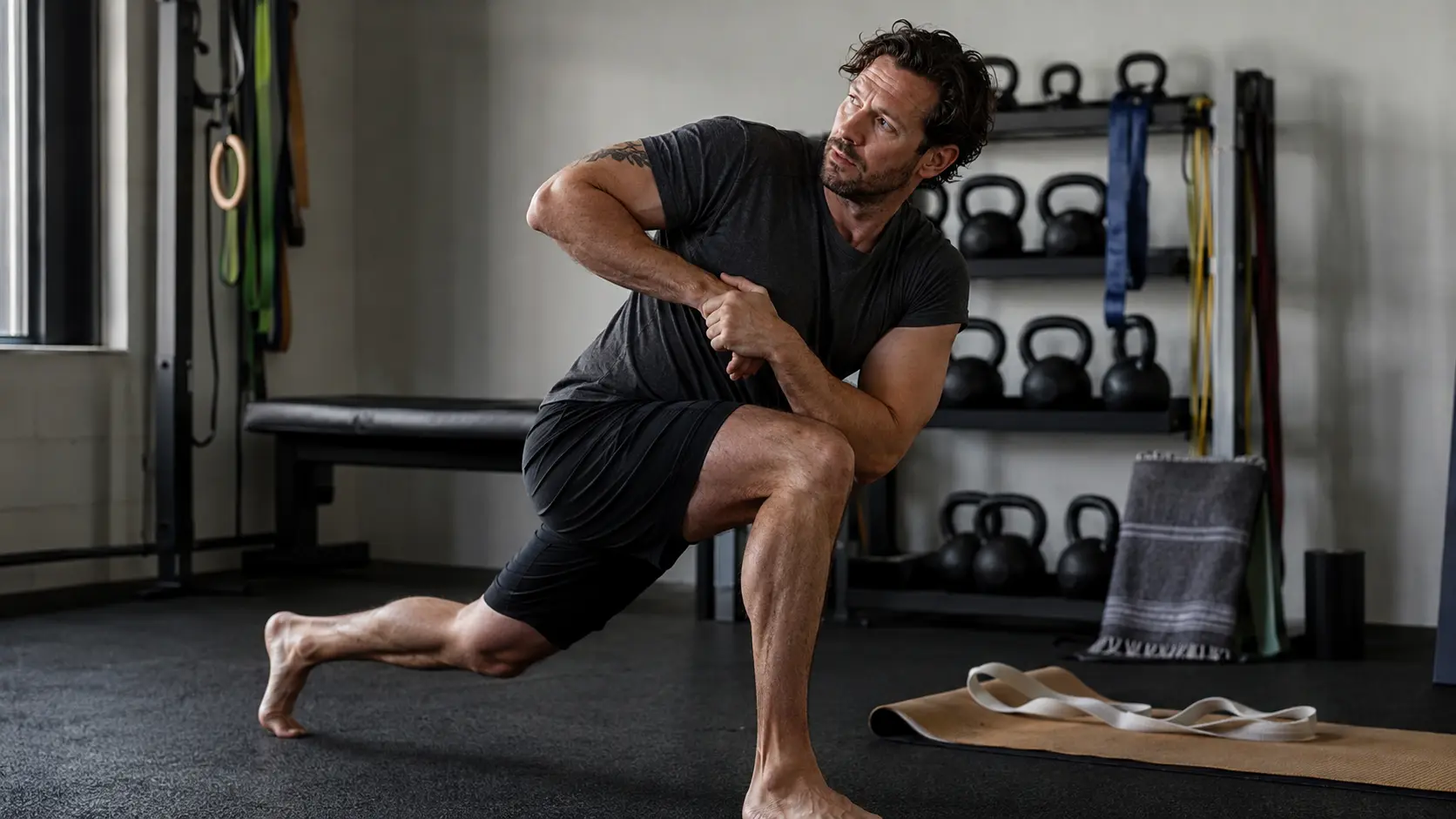
You wake up stiff, struggle to get out of bed, and realize climbing stairs feels harder than it used to, leaving you wondering if this is just normal aging or something you can actually fix by understanding the difference between mobility versus flexibility.
Mobility essentials for seniors
Mobility is your body’s ability to move freely through space and perform everyday tasks without restriction. Think of it as the foundation that lets you walk to the mailbox, get up from the dinner table, or navigate your home safely. For seniors, mobility involves coordinated movement across multiple joints and muscle groups working together. Consider Margaret, a 68-year-old who noticed she couldn’t climb her porch steps without holding the railing. By incorporating low-impact exercises like swimming twice weekly and daily 20-minute walks, she regained confidence in her movement within eight weeks. Walking strengthens your leg muscles and maintains joint lubrication. Swimming provides resistance without joint stress. Tai chi combines balance, strength, and coordination in flowing movements. A common mistake is pushing too hard too fast, which can cause injury and discourage continued effort. Start slowly, perhaps with 10-minute walks, then gradually increase duration and intensity as your body adapts.
- Engage in daily walks to maintain joint flexibility and strengthen leg muscles.
- Use assistive devices like canes or walkers if needed to support balance and stability.
- Include gentle stretching exercises in your routine to enhance flexibility and prevent muscle stiffness.
Flexibility tips for seniors
Flexibility is your joints and muscles’ capacity to move through their full range of motion without pain or restriction. Unlike mobility, which focuses on functional movement patterns, flexibility targets the actual stretch and reach of individual joints. Picture yourself trying to reach a book on a high shelf or bending down to pick up something you dropped. These moments reveal your true flexibility. Yoga and pilates are excellent for seniors because they combine stretching with controlled breathing and body awareness. A 15-minute daily routine focusing on major joints like shoulders, hips, and knees can prevent the stiffness that often wakes seniors in the morning. Gentle stretching should feel like a mild tension, never pain. Hold each stretch for 20 to 30 seconds, breathing steadily. Many seniors make the mistake of bouncing during stretches or forcing range of motion, which triggers protective muscle contractions and actually reduces flexibility over time. Consistency matters more than intensity. Even five minutes daily beats occasional intense sessions.
📘 Fix your day in under 2 minuteschoose where to begin:
Balancing mobility and flexibility
True physical independence comes from combining both mobility and flexibility into a cohesive routine. Imagine being able to walk confidently, bend without hesitation, and move through your day without compensating for stiff joints or weak muscles. This balance is achievable and worth pursuing. A practical approach involves alternating focus within your weekly routine. Monday and Wednesday might emphasize mobility through walking or water aerobics. Tuesday and Thursday could focus on flexibility through yoga or stretching classes. Weekend activities might combine both, like gardening or dancing. This variation prevents boredom and addresses different aspects of physical function. James, a 72-year-old, struggled with falls until he committed to this balanced approach. Within three months, his confidence increased dramatically, and he stopped using his walker indoors. Consulting a physical therapist or certified trainer is invaluable because they can assess your specific limitations and design a plan matching your abilities. They identify compensatory patterns that might mask underlying weakness or stiffness, preventing future injuries.
Nutrition and hydration importance
Your body cannot build or maintain mobility and flexibility without proper fuel and hydration. Bones, muscles, and joints all depend on specific nutrients to function optimally. Calcium and vitamin D work together to maintain bone density, which is critical as we age and bone loss accelerates. Protein provides amino acids your muscles need to repair and strengthen after exercise. Consider your daily plate: include fatty fish like salmon for omega-3s that reduce joint inflammation, leafy greens for calcium and magnesium, and lean proteins at each meal. Hydration is often overlooked but profoundly important. Your joint cartilage contains water, and dehydration reduces its cushioning ability, increasing stiffness and discomfort. Many seniors don’t feel thirsty as readily as younger people, so set reminders to drink water throughout the day. Aim for eight glasses daily, more if you exercise. A common mistake is relying on caffeine and sugary drinks instead of water. These can actually increase dehydration. Herbal tea and water-rich foods like cucumbers and watermelon count toward hydration too.
Mind-body connection for enhanced wellbeing
Physical capability and mental state are deeply interconnected. Stress tightens muscles, reduces flexibility, and makes movement feel effortful. Conversely, gentle movement, meditation, and time in nature calm your nervous system and improve physical function. Practices like tai chi and yoga explicitly cultivate this mind-body awareness. Deep breathing exercises activate your parasympathetic nervous system, which reduces muscle tension and promotes relaxation. Spending 15 minutes in nature, whether a park walk or sitting in your garden, lowers cortisol levels and improves mood. This mental shift often translates into better movement patterns and increased willingness to exercise. Robert, a 70-year-old, found that adding 10 minutes of daily meditation to his routine reduced his chronic shoulder tension more effectively than stretching alone. His improved mental clarity also helped him stay consistent with his exercise plan. The mind-body connection means that addressing stress, anxiety, and emotional wellbeing directly supports your physical goals. This holistic approach prevents the common pitfall of viewing exercise as purely physical, missing the powerful mental and emotional benefits that sustain long-term commitment.
Mobility and flexibility are distinct yet complementary aspects of physical function that directly impact your independence and quality of life as a senior. Mobility enables functional movement through daily activities, while flexibility ensures your joints and muscles can move freely without restriction. By combining regular low-impact exercise, proper nutrition, hydration, and mind-body practices, you create a comprehensive approach to aging well. Start with small, consistent steps rather than dramatic changes. Consult healthcare providers or certified trainers to personalize your plan. The investment in these practices now prevents falls, reduces injury risk, and preserves the independence that matters most.
How often should seniors exercise to improve mobility?
Seniors should aim for at least 150 minutes of moderate physical activity weekly, distributed across most days. This includes aerobic activities like walking, strength training twice weekly, flexibility work daily, and balance exercises several times per week. Start conservatively if you’re new to exercise, perhaps with 10-minute sessions, and gradually increase duration and intensity. Always consult your healthcare provider before starting a new routine, especially if you have existing health conditions or take medications that affect exercise response.
What are some signs of reduced mobility in seniors?
Reduced mobility often appears as difficulty walking distances without fatigue, struggling to climb stairs or curbs, needing assistance getting in or out of chairs or vehicles, and moving more slowly than before. You might also notice increased joint stiffness upon waking, pain with certain movements, or needing to hold railings for balance. These signs warrant attention because they often accelerate if left unaddressed. Regular low-impact exercise, stretching, and strength training can halt or reverse many mobility declines. If symptoms appear suddenly or are accompanied by pain, swelling, or weakness, consult your doctor to rule out underlying conditions.
Others also read:
Disclaimer: This article is for informational purposes only and is not a substitute for professional medical advice. Always consult a healthcare professional for personal guidance.
This guide has been prepared and reviewed by the GlobalHealthBeacon editorial team and reflects current medical research as of 2026. It provides structured, evidence-based information to support informed health decisions.
