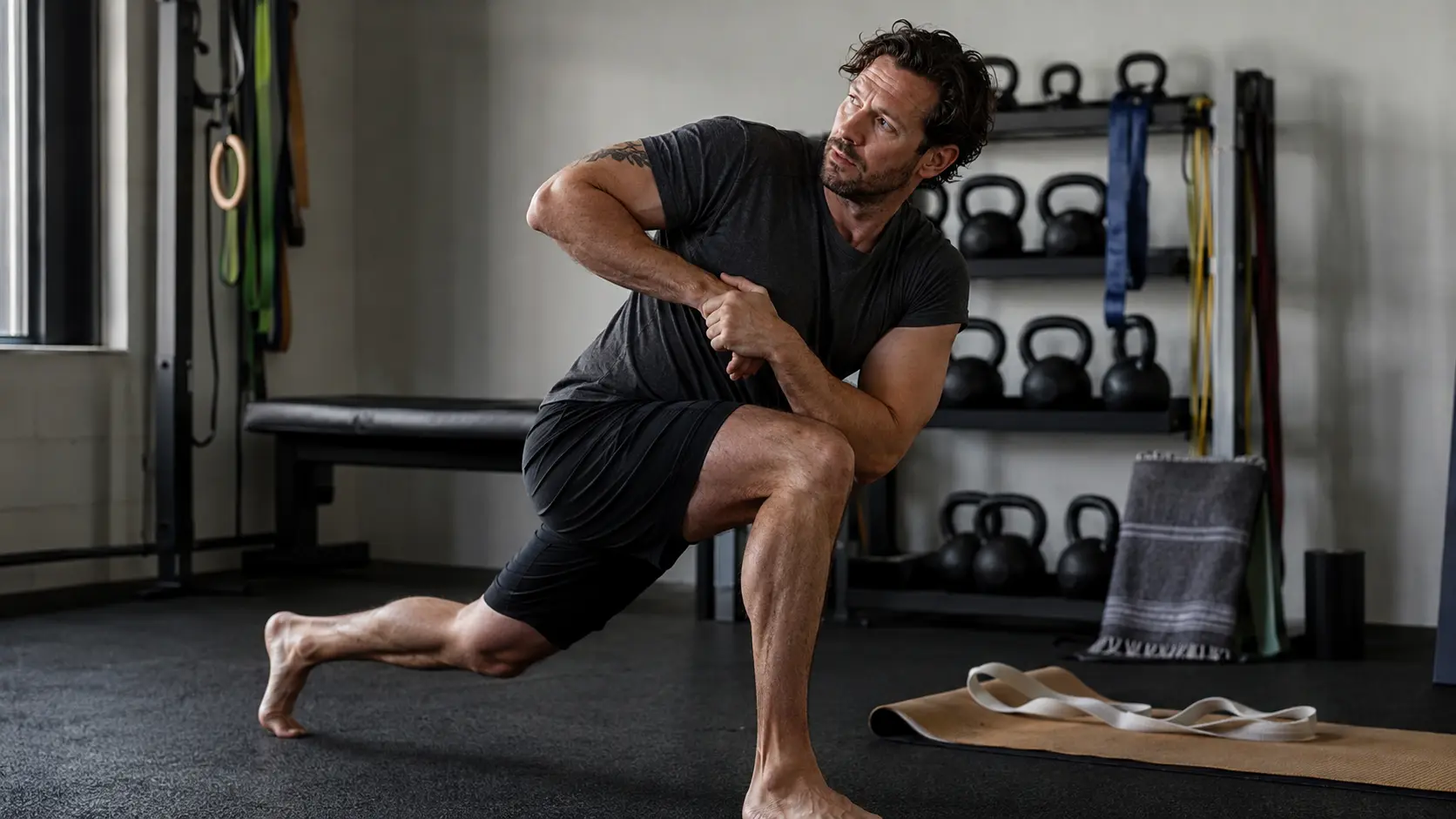
You reach for the coffee mug and your shoulder screams, or you try to stand up from the couch and your knees buckle, and suddenly you realize the real battle isn’t just about moving around, it’s about understanding the difference between mobility versus flexibility and which one you actually need right now.
The importance of mobility
Mobility is about freedom. It’s the ability to move your body through space without thinking about it, without pain, without that nagging fear of falling. For seniors, this means walking to the mailbox, getting out of a chair without using your hands, climbing stairs to visit your grandkids, or even just rolling over in bed at night. I remember watching my neighbor Margaret struggle to get up from her recliner, and it hit me how much independence depends on this one thing. When mobility slips away, so does your ability to live life on your own terms. You start needing help with tasks you once did without thinking. Enhanced mobility means you can reach the top shelf in your kitchen, bend down to pick something up from the floor, and maintain your balance when you turn around quickly. It’s the foundation of staying independent and keeping your dignity intact.
- Enhanced independence in daily activities
- Improved balance and stability
- Reduced risk of falls
The role of flexibility
Flexibility is your body’s ability to adapt and bend without strain. It’s about having enough range of motion in your joints and muscles to move through life’s demands. Think about reaching behind your back to fasten a bra, or turning your head to check your blind spot while driving. Without flexibility, these simple movements become uncomfortable or impossible. I’ve noticed that when my flexibility decreases, even putting on socks becomes a wrestling match. Flexibility prevents your muscles from tightening up and your joints from becoming stiff. It’s the difference between moving fluidly and moving like a rusty door hinge. When you maintain good flexibility, your body can adapt to different positions and movements, which protects you from sudden injuries. You’re less likely to strain a muscle when you bend down or twist to pick something up. Flexibility also helps with posture, reduces muscle tension, and keeps your joints healthy for the long haul.
💬 Ready to feel better in 2 minutes?choose where to begin:
Finding the right balance
Here’s the truth that took me years to understand: you need both, and they work together. Mobility without flexibility is like having a car that runs but can’t turn smoothly. Flexibility without mobility is like being able to bend but not being able to get anywhere. The sweet spot is when you can move freely through your day and your body can handle the demands you place on it. Picture this: you’re reaching for something on a high shelf. You need the mobility to stand up and walk over there, but you also need the flexibility to stretch your arm up without pain. When you focus on both, something magical happens. You feel more confident in your movements. You’re less afraid of falling or hurting yourself. Daily tasks feel manageable again. The key is understanding that they’re not competing with each other, they’re supporting each other. By working on both aspects, you create a foundation of physical resilience that lets you live the life you want.
Incorporating mobility and flexibility into daily life
The good news is you don’t need a fancy gym membership or complicated routines. Start with what feels natural. A daily walk is one of the best things you can do for mobility, it keeps your legs strong and your balance sharp. Yoga and tai chi are game changers because they work on both mobility and flexibility at the same time. Stretching for just five or ten minutes after a warm shower, when your muscles are relaxed, can make a real difference over time. I started doing simple stretches while watching TV in the evening, and within a few weeks I noticed I could bend down more easily. Swimming is another gem if you have access to it, the water supports your body while you move through a full range of motion. Even gardening, dancing, or playing with grandkids counts as movement. The real secret is consistency and listening to your body. Don’t push into pain, but do push past comfort. Stay hydrated because your muscles and joints need water to function properly. And don’t underestimate the power of a healthy weight, it reduces stress on your joints and makes movement feel easier.
While mobility empowers seniors to lead independent lives, flexibility is equally crucial for preventing injuries and maintaining joint health. Striking a balance between the two enables seniors to enjoy freedom of movement without compromising physical well-being.
How can seniors improve their mobility?
Seniors can enhance their mobility through regular physical activities like walking, swimming, and yoga. It is essential to engage in exercises that focus on improving balance, strength, and flexibility.
What exercises help in maintaining flexibility for seniors?
Seniors can maintain flexibility by incorporating stretching exercises like yoga, tai chi, and Pilates into their daily routine. These activities help improve range of motion in joints and prevent stiffness.
Others also read:
Disclaimer: This article is for informational purposes only and is not a substitute for professional medical advice. Always consult a healthcare professional for personal guidance.
This article presents an experience-based perspective and has been reviewed by the GlobalHealthBeacon editorial team in 2026. It provides structured, evidence-based information to support informed health decisions.
