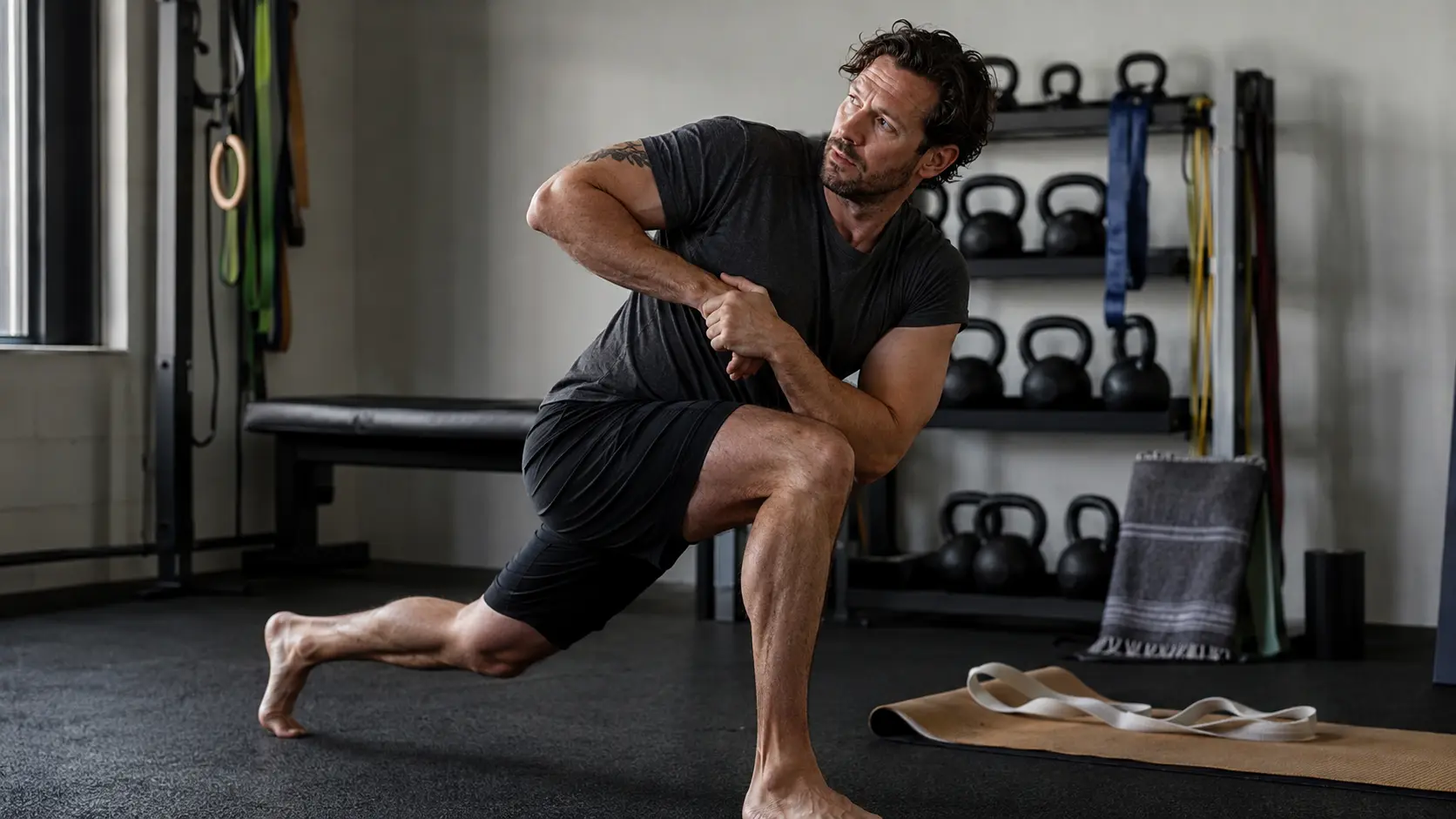
You roll out of bed, try to touch your toes, and your hamstrings scream in protest, your hips feel locked, and suddenly you realize that mobility versus flexibility are two completely different beasts you’ve been confusing your whole life.
Improving mobility through dynamic stretching
Dynamic stretching changed everything for me once I actually understood what it was doing. Instead of holding a stretch like I’d been taught in gym class, dynamic stretching involves moving your body through controlled, flowing motions that gradually increase your range of motion. Think leg swings where you’re actively moving your leg forward and back, or arm circles that build momentum. When I started doing these before my workouts, something clicked. My shoulders felt more responsive, my hips moved more freely, and my joints felt like they were actually warming up instead of just getting stretched. The key difference is that dynamic stretching preps your nervous system and gets blood flowing to the muscles you’re about to use. I noticed within two weeks that my morning stiffness decreased significantly, my athletic performance improved, and I could move through exercises with better control. It’s like giving your joints a conversation starter before asking them to do heavy lifting.
- Enhances joint flexibility
- Improves muscle coordination
- Boosts athletic performance
Flexibility gains with static stretching
Static stretching is the slower, more meditative side of the stretching equation, and honestly, I’d been skipping it for years thinking it was boring. But then I realized I could barely touch my toes without my back rounding uncomfortably. Static stretching means holding a muscle in a stretched position for 20 to 60 seconds, letting gravity and time do the work. After my workouts, I started holding a quad stretch, a hamstring stretch, and a hip flexor stretch for 30 seconds each. The changes were subtle at first, but after three weeks of consistent post-workout static stretching, my flexibility genuinely improved. I could fold forward with straighter legs, my tight hip flexors from sitting all day loosened up, and I felt less sore after leg day. The science is straightforward: when you hold a stretch, you’re actually training your muscles to relax into a longer position. It’s not about forcing yourself into uncomfortable positions, it’s about patient, consistent lengthening.
💬 Ready to feel better in 2 minutes?choose where to begin:
Mobility vs flexibility: the balance point
Here’s where things got confusing for me. I thought mobility and flexibility were the same thing, but they’re really not. Mobility is about how well your joints can move through their full range of motion while staying stable and controlled. Flexibility is purely about muscle length and how much you can stretch. I realized I had decent flexibility in my hamstrings, but my hip mobility was terrible because my glute muscles weren’t firing properly. This meant I could touch my toes, but I couldn’t do a proper squat without my knees caving inward. The balance between the two matters because you need muscles that are long enough to move, but you also need the strength and control to move safely. Once I started addressing both, my workouts felt better, my posture improved, and I stopped getting random aches. It’s like having both the range and the stability to actually use that range.
Exploring mobility tools and techniques
After realizing stretching alone wasn’t solving all my issues, I started experimenting with different tools and techniques. Foam rolling became my secret weapon for releasing tight spots in my calves and quads that stretching alone couldn’t touch. I’d spend five minutes rolling my IT band, which felt brutal at first but genuinely reduced knee pain. Resistance bands added a new dimension, letting me do assisted stretches and mobility drills that targeted specific problem areas. I also discovered that yoga, particularly slow flow classes, gave me both the dynamic and static stretching benefits while improving my body awareness. Some friends swear by lacrosse balls for trigger points, others use massage guns. The truth is there’s no one-size-fits-all solution. What worked for my tight hips might not work for someone else’s shoulders. I’d recommend starting with a foam roller and basic stretching, then experimenting from there to find what actually feels good for your body.
Exploring the nuances between mobility and flexibility, it becomes clear that both are essential for a well-rounded physical health routine. By combining dynamic and static stretching techniques and using the right tools, young adults can achieve optimum results in their mobility and flexibility.
Can I improve both my mobility and flexibility simultaneously?
Yes, by incorporating a well-rounded stretching routine that includes both dynamic and static stretches, you can enhance your mobility and flexibility at the same time.
How often should I stretch to see noticeable improvements?
Consistency is key. Aim to stretch at least 3-4 times per week to see significant improvements in your mobility and flexibility over time.
Others also read:
Disclaimer: This article is for informational purposes only and is not a substitute for professional medical advice. Always consult a healthcare professional for personal guidance.
This article presents an experience-based perspective and has been reviewed by the GlobalHealthBeacon editorial team in 2026. It provides structured, evidence-based information to support informed health decisions.
