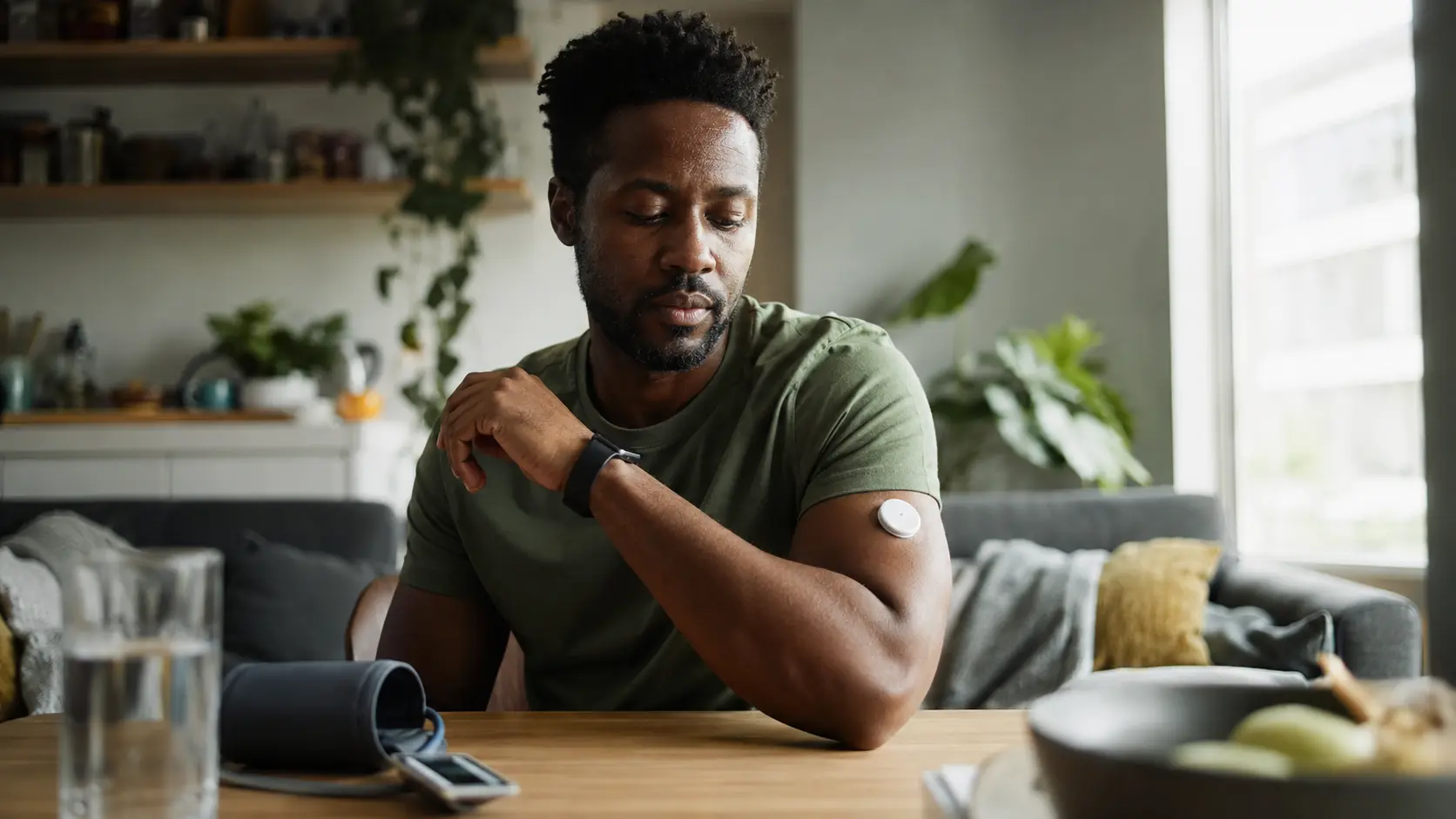
You’re drowning in health data from your smartwatch, fitness tracker, and sleep app, but you have no idea what any of it actually means or why connected health devices are suddenly everywhere in your life.
The technology behind connected health devices
Connected health devices operate through a sophisticated ecosystem of miniaturized sensors and wireless communication protocols. These sensors detect physiological signals from your body, such as electrical impulses from your heart, movements detected through accelerometers, or temperature variations across your skin. Once collected, this raw data travels wirelessly to your smartphone or computer via Bluetooth, WiFi, or cellular networks. Consider a fitness tracker on your wrist: it contains an accelerometer that measures motion in three dimensions, allowing it to distinguish between walking, running, and stationary activity. A smartwatch might include a photoplethysmography sensor that shines light through your skin to measure blood flow and calculate heart rate. The device processes this information locally or sends it to cloud servers where algorithms analyze patterns. For example, sleep tracking devices use movement data and heart rate variability to estimate sleep stages. This technological foundation enables real-time monitoring of metrics like steps, calories, heart rate variability, and sleep architecture, transforming your body into a continuous data source.
Benefits of using connected health devices
Connected health devices provide tangible advantages for young adults seeking to understand their bodies better. Real-time monitoring creates immediate feedback loops: you see your heart rate spike during stress, notice how late-night caffeine affects your sleep quality, or track how different workouts impact your recovery metrics. This visibility often catalyzes behavioral change without requiring willpower alone. A young adult might discover that their resting heart rate drops by five beats per minute after two weeks of consistent exercise, providing concrete evidence of cardiovascular adaptation. Progress tracking over months or years reveals trends invisible in daily life, such as seasonal patterns in activity levels or gradual improvements in sleep consistency. Many users report that gamification elements like achievement badges and streak counters create psychological motivation to maintain healthy habits. Additionally, connected devices enable early detection of anomalies: unusual heart rate patterns, irregular sleep disruptions, or sudden activity drops might prompt medical consultation before symptoms become severe. The data also facilitates informed decision-making about lifestyle modifications, allowing you to test hypotheses about what actually works for your unique physiology rather than relying on generic health advice.
How to incorporate connected health devices into your routine
Successfully integrating connected health devices requires intentional setup and realistic expectations. Start by identifying which specific health metric matters most to you right now: perhaps sleep quality concerns you, or you want to understand your activity patterns. This focus prevents overwhelm from tracking everything simultaneously. When setting up your device, follow manufacturer instructions precisely because sensor placement, calibration, and firmware updates directly affect accuracy. A heart rate monitor worn too loosely provides erratic readings, while a fitness tracker synced with incorrect body metrics will miscalculate calorie expenditure. Establish a routine for checking your data, whether that’s a weekly review every Sunday evening or a daily glance each morning. The key is consistency without obsession; some users find that checking data multiple times daily creates anxiety rather than motivation. Consider starting with one device and adding others only after you understand how to interpret the first device’s information. Common mistakes include buying expensive devices without clear purpose, ignoring the learning curve of understanding what metrics mean, or expecting immediate results. Give yourself at least two to four weeks before assessing whether a device genuinely fits your lifestyle, as initial enthusiasm often masks whether the device integrates naturally into your routine.
- Choose a device that aligns with your health goals.
- Follow the setup instructions carefully for accurate data collection.
- Check your device regularly for insights into your health status.
🔬 Science-backed benefits in 2 minuteschoose where to begin:
Understanding the data from connected health devices
Raw data from connected health devices becomes meaningful only when you understand what the numbers represent and how to interpret them contextually. Heart rate variability, for instance, measures the millisecond-level fluctuations between heartbeats and serves as a proxy for nervous system balance and recovery status, not just fitness level. A young adult might notice their heart rate variability drops on high-stress work days, even if their resting heart rate remains normal. Sleep data typically breaks into stages: light sleep, deep sleep, and REM sleep, each serving different restorative functions. Seeing that you’re getting only 15 percent deep sleep instead of the recommended 20-25 percent suggests your sleep environment or pre-sleep routine needs adjustment. Activity metrics like step count and intensity minutes provide context for overall movement patterns, but they vary based on device algorithm and individual physiology. Two people with identical step counts may have vastly different cardiovascular stress depending on their fitness level. Stress scores calculated from heart rate variability and other metrics offer insights into your nervous system’s state, though these remain estimates rather than clinical measurements. The most valuable practice involves pattern recognition over time: comparing your data across weeks and months to identify what lifestyle factors correlate with your best health markers, then testing whether changing those factors produces expected results.
Privacy and security considerations with connected health devices
Health data represents some of the most sensitive personal information you generate, making privacy protection essential when using connected devices. Manufacturers collect, store, and sometimes share your data with third parties, advertisers, or researchers, depending on their privacy policies and your consent settings. Before purchasing a device, research the company’s data retention practices, encryption standards, and whether they sell anonymized or identifiable data to other organizations. Some companies store data indefinitely, while others delete it after a set period. Encryption protects data during transmission, but unencrypted data stored on company servers remains vulnerable to breaches. A practical approach involves reviewing privacy settings immediately after device setup, disabling data sharing features you don’t need, and using strong, unique passwords for your health app accounts. Consider whether you’re comfortable with your device manufacturer knowing your sleep patterns, stress levels, and location history. Some young adults choose to use devices without creating online accounts, accepting limited functionality to maintain privacy. Update your device’s software regularly, as manufacturers release security patches addressing newly discovered vulnerabilities. Be cautious about connecting your health devices to third-party apps or social platforms that promise integration, as each connection creates additional data-sharing pathways. Understanding your rights regarding your health data empowers you to make informed choices about which devices and companies you trust with your information.
The future of connected health devices
Connected health device technology continues evolving rapidly, with emerging capabilities that will reshape how young adults monitor and manage their health. Non-invasive glucose monitoring through wearable sensors may soon allow people without diabetes to understand how different foods affect their blood sugar, enabling personalized nutrition optimization. Continuous blood pressure monitoring integrated into smartwatches could detect hypertension earlier than annual checkups. Artificial intelligence algorithms are becoming sophisticated enough to predict health events days or weeks before symptoms appear, such as identifying infection patterns before fever develops or detecting irregular heart rhythms that might warrant medical evaluation. Integration with clinical healthcare systems promises to bridge the gap between personal health tracking and medical care, allowing your doctor to access relevant data directly. Augmented reality interfaces might visualize your health data in intuitive ways, making complex physiological information instantly comprehensible. However, this expansion also raises questions about data ownership, algorithmic bias, and whether increased monitoring creates anxiety rather than empowerment. The trajectory suggests connected devices will become increasingly embedded in everyday objects like clothing, jewelry, and even skin patches, making health monitoring seamless and continuous. Young adults entering this landscape should stay informed about both technological capabilities and their personal boundaries regarding health surveillance.
Connected health devices offer young adults a scientifically grounded approach to understanding their bodies through continuous data collection and analysis. By selecting appropriate devices, setting them up correctly, and learning to interpret the metrics they provide, you gain actionable insights into your sleep, activity, stress, and cardiovascular health. Privacy protection remains essential, requiring careful attention to data policies and security practices. As technology advances, these devices will likely become more sophisticated and integrated into healthcare systems, making informed engagement with connected health technology increasingly valuable for your long-term wellness journey.
Are connected health devices accurate?
Connected health devices undergo testing for accuracy, though precision varies by device type and manufacturer. Heart rate monitors are generally reliable when worn correctly, while calorie expenditure estimates can vary significantly based on individual metabolism. Accuracy depends heavily on proper setup, correct body metrics input, and consistent wear. Clinical-grade devices typically outperform consumer versions, but consumer devices provide sufficient accuracy for tracking trends and patterns over time rather than absolute precision.
How can I protect my privacy while using connected health devices?
Protect your privacy by reviewing manufacturer privacy policies before purchase, disabling unnecessary data sharing features in app settings, using strong unique passwords, updating device software regularly, and being selective about third-party app integrations. Choose devices from companies with transparent data practices and robust encryption. Consider which health metrics you’re comfortable sharing and whether the benefits of data sharing outweigh privacy concerns for your situation.
Others also read:
Disclaimer: This article is for informational purposes only and is not a substitute for professional medical advice. Always consult a healthcare professional for personal guidance.
This article has been prepared and reviewed by the GlobalHealthBeacon editorial team and is based on current medical research and published scientific literature available in 2026. It provides structured, evidence-based information to support informed health decisions.
