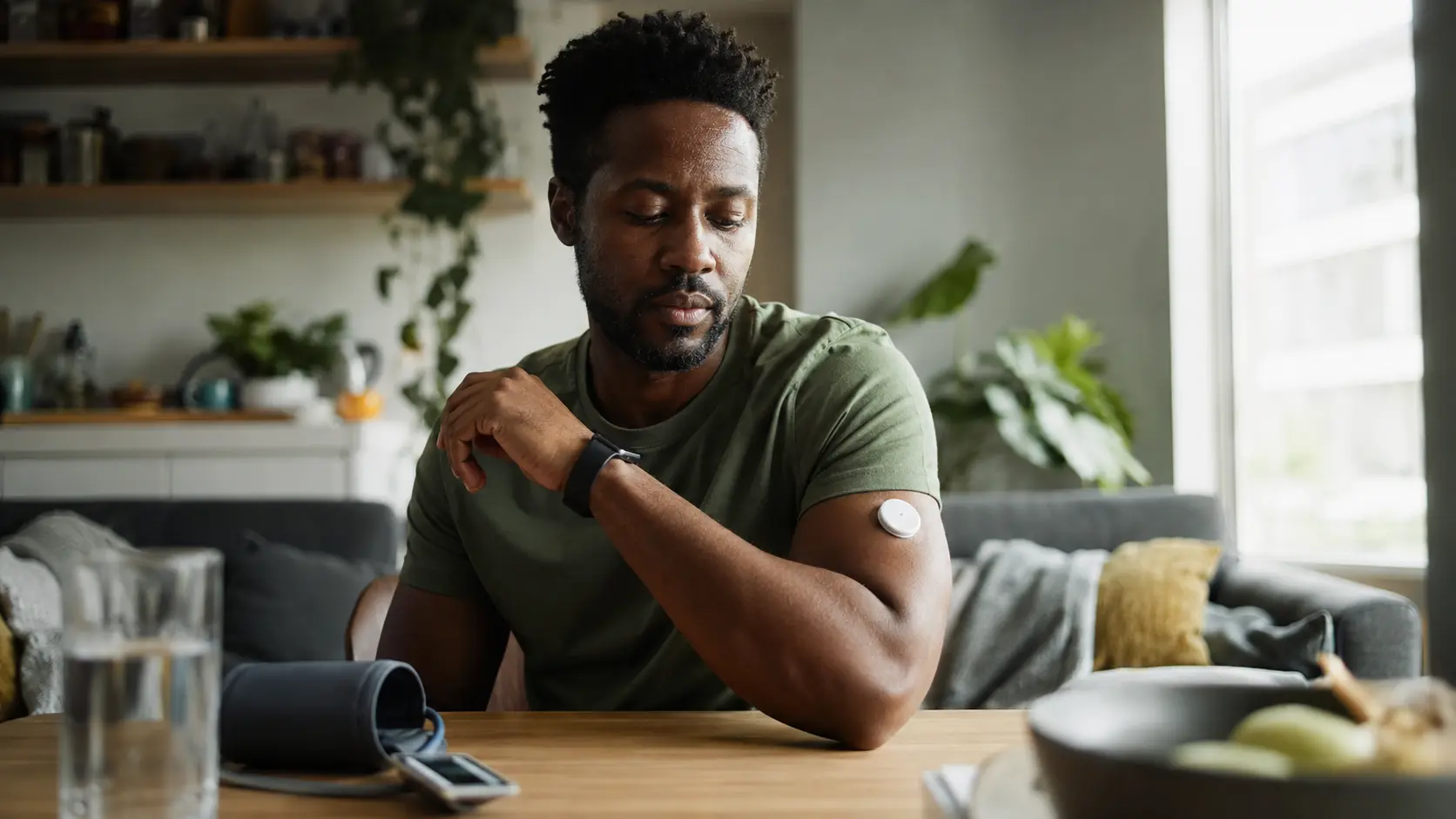
You’re tired of juggling pill bottles, forgetting when you last checked your blood pressure, and feeling like your health is slipping through your fingers while everyone around you seems to have it figured out with some magic gadget—but connected health devices might actually be the straightforward solution you’ve been looking for.
Understanding modern technology
Remember when keeping track of your health meant scribbling notes on a calendar or hoping you’d remember to mention symptoms at your next doctor’s appointment? Today feels different. Connected health devices like smartwatches and activity trackers work quietly in the background, collecting real-time data about your heart rate, steps, and sleep patterns without requiring you to do anything extra. Imagine waking up and seeing exactly how many hours you actually slept and whether you were restless during the night. A fitness tracker clips to your wrist or sits on your nightstand, syncing automatically to your phone whenever you’re nearby. Your healthcare provider can access this information too, giving them a complete picture of your daily habits rather than just snapshots from office visits. It sounds complicated, but the setup is usually straightforward, and once it’s running, the device handles the heavy lifting while you simply live your life.
- Track your heart rate and activity levels throughout the day
- Receive notifications and reminders to stay active and hydrated
- Easily share your health data with your healthcare provider for better care management
Improving daily habits
Here’s where things get interesting. A 72-year-old named Margaret started using a sleep tracker and discovered she was waking up four times every night, something she’d never consciously noticed. With that data in hand, she talked to her doctor about it and made small adjustments to her evening routine. Within weeks, her sleep improved dramatically, and she felt more energetic during the day. That’s the real power of connected devices: they reveal patterns you can’t see on your own. A smart scale doesn’t just tell you your weight this morning; it shows you trends over weeks and months, helping you spot when small changes add up. Some devices even track hydration reminders or monitor how your activity levels fluctuate with the seasons. By understanding these patterns, you gain the ability to make informed choices about your health rather than guessing or relying on vague feelings. You’re not just collecting numbers; you’re building a personal health story that helps you and your doctor work together more effectively.
💬 Ready to feel better in 2 minutes?choose where to begin:
Empowering self-care
Taking care of yourself gets harder when you’re managing multiple medications or chronic conditions. A medication reminder device eliminates the anxiety of wondering if you took your morning pills. It sends a gentle alert at the right time, and some even dispense the correct dose so there’s no confusion. For people managing diabetes, a smart glucose meter changes everything. Instead of pricking your finger and writing down numbers in a logbook, the device automatically tracks your readings and shows you patterns over time. You can see how different foods or activities affect your blood sugar, turning abstract health advice into concrete, personal insights. One 68-year-old man with type 2 diabetes told his doctor that seeing his glucose patterns on his phone made him finally understand why his doctor kept recommending certain foods. He wasn’t just following rules anymore; he was seeing the cause and effect in real time. That shift from compliance to understanding is where real self-care begins.
Enhancing social connections
Health doesn’t happen in isolation, and connected devices recognize that. Fitness trackers let you join step challenges with friends or family members, turning individual health goals into shared adventures. Imagine your grandchildren cheering you on as you hit your daily step count, or friendly competition with your walking group pushing everyone to stay active. Beyond casual challenges, online communities built around specific health conditions offer something deeper: connection with people who truly understand what you’re going through. Someone managing heart disease or arthritis can share experiences, swap tips, and receive encouragement from others on the same journey. These virtual support groups reduce the loneliness that often comes with chronic health conditions. One woman in her 70s joined an online community for people with osteoporosis and discovered exercises she’d never heard of, medication side effects she could finally name, and friendships that extended beyond the screen. Connected devices don’t just monitor your body; they connect you to a community that cares about your wellbeing.
Connected health devices offer a range of benefits for seniors, from tracking vital signs to promoting healthy habits. By integrating these devices into daily life, seniors can take control of their health and well-being while staying connected with their loved ones and healthcare providers.
Can connected devices replace regular visits to the doctor?
Connected devices can complement traditional healthcare by providing continuous monitoring and valuable data for your healthcare provider. However, they should not replace routine medical visits and consultations.
Are connected devices user-friendly for seniors with limited tech skills?
Many connected devices are designed with user-friendly interfaces and simplified setups to cater to seniors. It’s important to choose devices that align with your comfort level with technology and seek assistance if needed.
Others also read:
Disclaimer: This article is for informational purposes only and is not a substitute for professional medical advice. Always consult a healthcare professional for personal guidance.
This article presents an experience-based perspective and has been reviewed by the GlobalHealthBeacon editorial team in 2026. It provides structured, evidence-based information to support informed health decisions.
