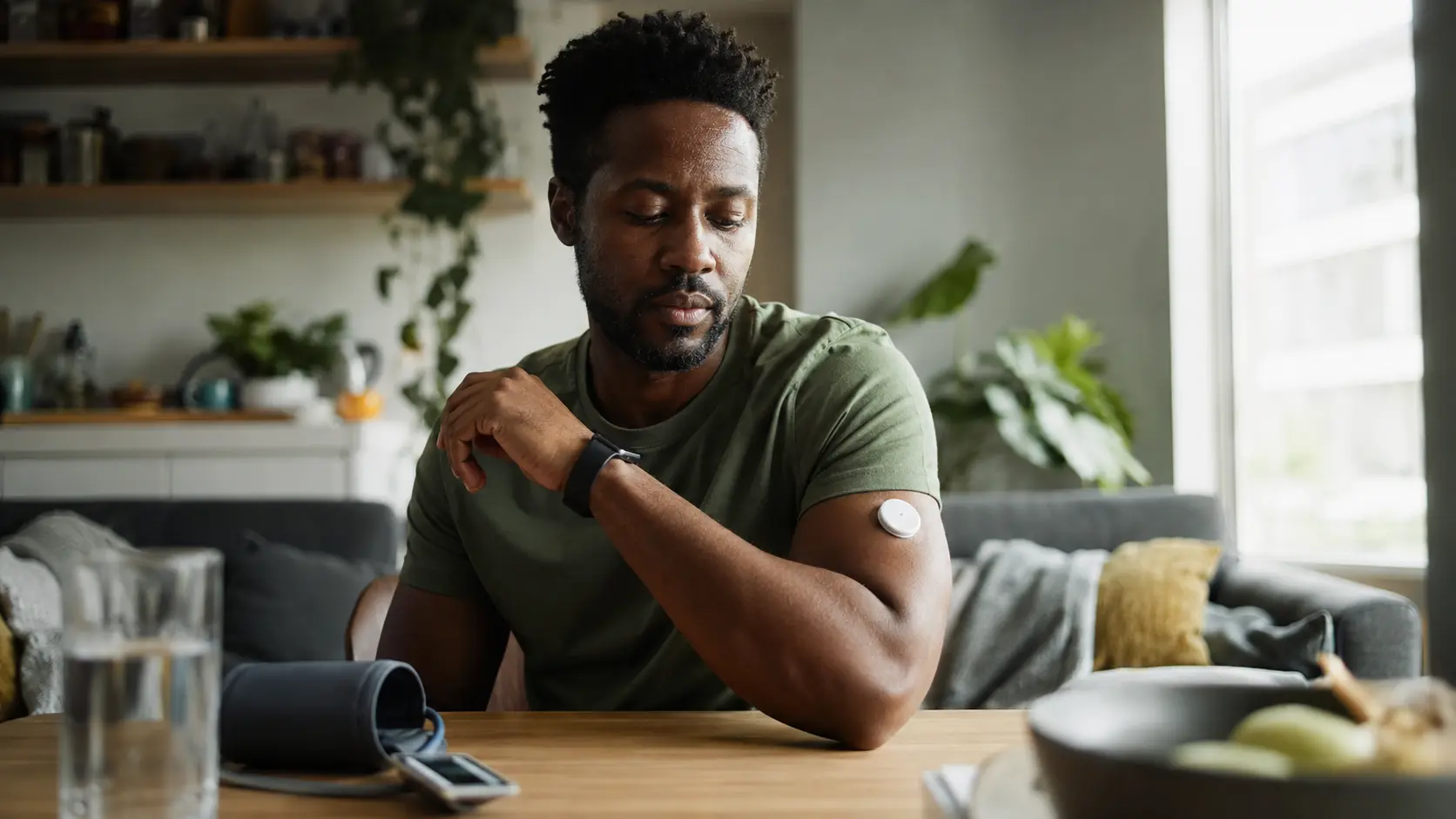
Tired of playing phone tag with your doctor or wondering if that weird symptom is worth a trip to the ER? Connected health devices let you skip the guessing game and actually know what’s happening with your body in real time.
The benefits of connected health devices
Connected health devices work like a personal health assistant that never sleeps. Imagine waking up and immediately seeing your blood pressure, heart rate, and oxygen levels on your phone before you even have your coffee. These devices track your vital signs continuously throughout the day and night, catching patterns you’d never notice on your own. For example, a senior with hypertension might discover that their blood pressure spikes every afternoon around 3 PM, which could signal a medication timing issue or stress response. The devices also send automatic medication reminders so you never miss a dose, and they alert your doctor instantly if something seems off. Instead of waiting weeks for an appointment to discuss how you’ve been feeling, your healthcare provider already has the data and can reach out proactively. This creates a safety net that gives both you and your family genuine peace of mind, knowing that emergencies get flagged immediately rather than going unnoticed.
- Continuous monitoring of critical health metrics
- Efficient integration with existing healthcare routines
- Enhanced communication with medical professionals
Choosing the right device for your needs
Picking the right connected health device is like finding the right pair of glasses, it has to fit your life, not the other way around. Start by thinking about what matters most to you. Do you need to track blood pressure because of a heart condition? Are you managing diabetes and need glucose monitoring? Or do you want a general wellness device that tracks activity and sleep? Once you know your priority, look for devices with large, easy-to-read screens and simple buttons that don’t require a tech degree to operate. Check if the device connects to a smartphone app that’s intuitive, because if you can’t figure out how to use it, it becomes a drawer ornament. Security matters too, especially since you’re sharing sensitive health information. Make sure the device uses encryption and comes from a reputable manufacturer with good customer reviews from other seniors. Consider compatibility with your existing devices and whether your doctor’s office actually uses the same platform. A hypothetical scenario: Margaret has arthritis in her hands, so she chose a wristband with large touch targets and voice commands instead of a device requiring precise button pressing. She also verified her cardiologist’s office accepts data from that specific brand before purchasing.
📘 Fix your day in under 2 minuteschoose where to begin:
Setting up your connected health device
Setup doesn’t have to be intimidating, even if technology isn’t your strong suit. Start by reading the manufacturer’s instructions all the way through before touching anything, this prevents frustration later. Most devices require you to download the companion app on your smartphone or tablet, create an account with a strong password, and pair the device via Bluetooth. Take your time with each step and don’t rush. If you get stuck, call the manufacturer’s customer support, they expect questions and most have patient representatives who walk you through it slowly. Once paired, the device begins collecting data automatically. Make sure your phone or tablet stays within Bluetooth range of the device during the day so data syncs properly. A common mistake is assuming the device works without the app, but most need that connection to send alerts and store your information securely. Another frequent issue is forgetting to charge the device regularly, which interrupts monitoring. Set a charging schedule like every Sunday evening, just like you’d charge your hearing aid or phone. Test the alert system by asking your doctor or a family member to check if they receive notifications when you log data.
Interpreting data and making informed decisions
Your connected health device collects mountains of data, but raw numbers don’t mean much without context. Think of the data as clues that help you and your doctor solve a puzzle about your health. For instance, if your device shows your blood pressure was 145/92 yesterday but 128/80 today, that single number tells you nothing, but a week of readings showing a pattern tells a story. Maybe your pressure rises on days you skip your morning walk, or it dips when you reduce salt intake. Review your data weekly, not obsessively daily, because natural fluctuations are normal and checking constantly creates unnecessary worry. Look for trends rather than individual readings. If you notice something unusual, write it down with the date and what you were doing that day, then bring this information to your next doctor visit. Your healthcare provider can help you understand whether the pattern is concerning or expected. A common mistake is panicking over one high reading and changing your medication without consulting your doctor. Another is ignoring consistent patterns that might indicate your current treatment plan needs adjustment. Your device is a conversation starter with your doctor, not a replacement for professional medical judgment.
Maintaining your connected health device
A well-maintained device gives you reliable data for years, while a neglected one becomes inaccurate and frustrating. Clean your device weekly with a soft, slightly damp cloth to remove skin oils and sweat that can interfere with sensors. If it’s a wearable like a watch or band, wash it gently with mild soap and water, then dry completely before wearing again. Check the manufacturer’s website regularly for software updates and install them promptly, these updates fix bugs and improve accuracy. Replace batteries according to the schedule provided, don’t wait until the device dies mid-monitoring. Store the device in a cool, dry place when not in use, extreme heat or moisture damages the electronics inside. If you notice readings seem off, like your heart rate showing 200 BPM while you’re sitting still, the sensor might need cleaning or the device might need recalibration. Most devices have a recalibration process in the app that takes just a few minutes. Keep your login information secure and change your password every few months. If you travel, bring the charging cable and check if your device works in other countries, some have connectivity limitations outside your home region.
Connected health devices empower seniors with real-time monitoring, automatic medication reminders, and direct communication with healthcare providers. Select a device that matches your specific health needs and lifestyle, set it up carefully following manufacturer instructions, review your data weekly for patterns rather than isolated readings, and maintain it properly to ensure accurate performance. This combination creates a comprehensive health management system that keeps you informed and your doctor engaged.
How do connected health devices benefit seniors?
Connected health devices offer real-time monitoring of vital signs, medication reminders, and instant access to healthcare professionals. They provide peace of mind, security, and timely intervention during medical emergencies.
Are connected health devices user-friendly for seniors?
Many connected health devices are designed with user-friendly interfaces specifically tailored for seniors, ensuring ease of use, clear display of data, and seamless integration into daily routines.
Others also read:
Disclaimer: This article is for informational purposes only and is not a substitute for professional medical advice. Always consult a healthcare professional for personal guidance.
This guide has been prepared and reviewed by the GlobalHealthBeacon editorial team and reflects current medical research as of 2026. It provides structured, evidence-based information to support informed health decisions.
