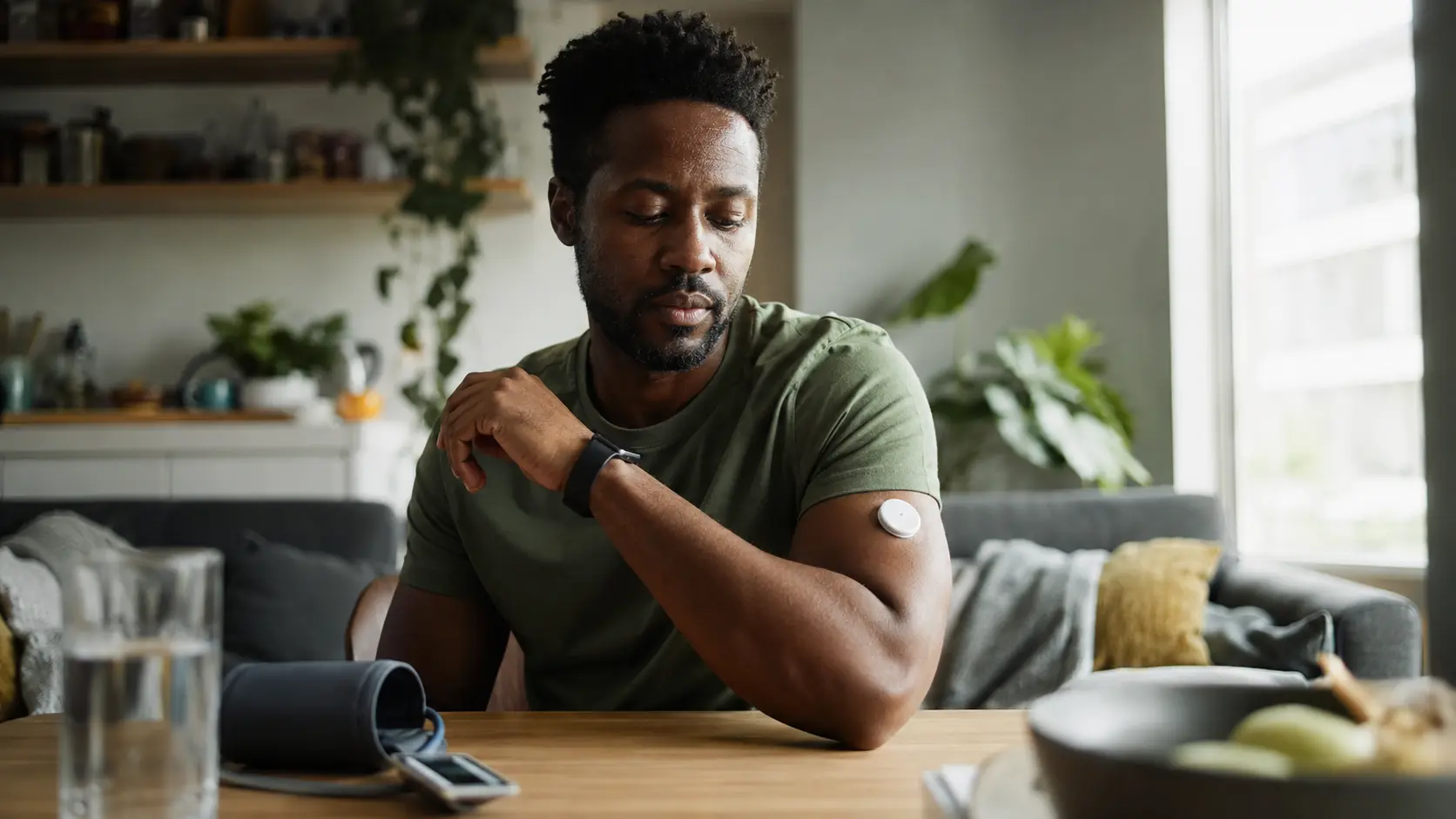
You’re tired of guessing whether you’re actually moving enough, sleeping well, or just stressed out all the time, so you’re looking at connected health devices but have no idea where to start or what will actually work for your life.
Understanding connected health devices
Connected health devices, also called wearable health technology, are personal monitoring tools that track your body’s signals throughout the day and night. Think of them as a constant companion collecting data on your heart rate, steps, sleep quality, stress levels, and more. A smartwatch might show you that your resting heart rate drops after consistent exercise, while a fitness tracker reveals you’re getting only six hours of fragmented sleep when you thought you were sleeping eight. These devices sync with your phone, creating a digital record of your health patterns over weeks and months. For women specifically, many devices now track menstrual cycles, hormonal changes, and how they affect energy and workout performance. The real value isn’t just the numbers on a screen, it’s understanding what those numbers mean for your daily choices and long-term wellness.
- Continuous monitoring of vital signs for a comprehensive view of your health
- Personalized feedback and insights to help you make informed decisions about your lifestyle
- Integration with smartphone apps and other devices for seamless data sharing
Choosing the right device for you
Selecting a connected health device requires honest reflection about what you actually need versus what sounds impressive. Start by identifying your primary goal. Are you training for a race and need detailed running metrics? Do you struggle with sleep and want cycle tracking? Are you managing a chronic condition like diabetes or hypertension? Once you know your goal, consider the device type. Smartwatches offer comprehensive tracking but cost more and require frequent charging. Fitness trackers are simpler, cheaper, and last longer between charges, making them ideal if you just want basic activity and sleep data. Think about design too, because a device you hate wearing won’t stay on your wrist. Check compatibility with your phone’s operating system before buying. Read reviews specifically from women users, as some devices fit differently or have features tailored to female health. A common mistake is buying the most expensive option thinking it will solve everything, when a mid-range device matching your actual needs works better.
📘 Fix your day in under 2 minuteschoose where to begin:
Setting realistic health goals
Your connected health device only becomes useful when paired with goals that matter to you and feel achievable. Rather than jumping to ten thousand steps daily if you currently walk three thousand, increase by five hundred steps each week. This gradual approach prevents burnout and builds sustainable habits. For sleep, if you’re averaging five hours, aim for six and a half before targeting eight. Women often juggle multiple responsibilities, so your goals should fit your real life, not some idealized version. If you work irregular shifts, tracking sleep consistency matters more than hitting exact hours. Set goals around what you can control, like workout frequency or bedtime consistency, rather than just outcomes. A helpful strategy is reviewing your device data weekly, not obsessively daily, to spot patterns without becoming anxious about fluctuations. Some women find that setting one primary goal per month, like improving sleep or increasing movement, works better than tackling five things simultaneously. Remember that progress isn’t linear, and a week of lower activity doesn’t erase previous gains.
Utilizing data to drive progress
The data your device collects is only valuable if you actually look at it and learn from it. Most devices show daily summaries, but weekly and monthly views reveal real patterns. You might notice your steps drop every third week, correlating with your cycle, or that stress spikes on certain days. This awareness helps you plan workouts and recovery strategically. Use your device to identify your personal baseline. If your average resting heart rate is sixty-five, a sudden spike to eighty might signal illness or overtraining, prompting you to rest. Track how changes feel in your body. After two weeks of consistent evening walks, does your sleep improve? After reducing caffeine, does your heart rate variability stabilize? Connect the data to your lived experience. Export your data periodically to spot long-term trends that the app might not highlight. Many women find that sharing device data with their doctor provides valuable context during health visits. A common mistake is obsessing over daily numbers instead of zooming out to see the bigger picture. Your device is a tool for understanding yourself, not a judge of your worth.
Maintaining privacy and security
Connected health devices collect intimate information about your body, so protecting that data matters deeply. Before buying, research the company’s privacy policy. Some companies sell anonymized data to third parties, while others don’t. Check whether your data stays on your device, syncs to company servers, or both. Enable all available security features, including two-factor authentication on your device app. Use a strong, unique password that you don’t reuse elsewhere. Review app permissions regularly, removing access to contacts or location if the health app doesn’t need them. Be cautious on public WiFi when syncing your device. Consider whether you want to share your data with family members or fitness communities, and adjust settings accordingly. Some women hesitate to track reproductive health data due to privacy concerns, which is valid, so choose a device with strong encryption if this matters to you. Update your device firmware when prompted, as updates often include security patches. If you ever sell or give away your device, perform a factory reset to erase all personal data. Privacy isn’t paranoia, it’s protecting information that belongs only to you.
Connected health devices offer a wealth of benefits, from real-time health monitoring to personalized insights. By selecting the right device, setting achievable goals, leveraging data effectively, and prioritizing privacy, you can harness the power of this technology for improved well-being.
Are connected health devices accurate?
Connected health devices are designed to provide accurate measurements of various health metrics. However, it’s essential to calibrate and maintain your device regularly to ensure precise readings.
Can connected health devices be worn 24/7?
While some connected health devices are designed for continuous wear, such as sleep trackers, it’s recommended to remove devices that may cause discomfort or irritation. Follow the manufacturer’s guidelines for optimal usage and wear time.
Others also read:
Disclaimer: This article is for informational purposes only and is not a substitute for professional medical advice. Always consult a healthcare professional for personal guidance.
This guide has been prepared and reviewed by the GlobalHealthBeacon editorial team and reflects current medical research as of 2026. It provides structured, evidence-based information to support informed health decisions.
