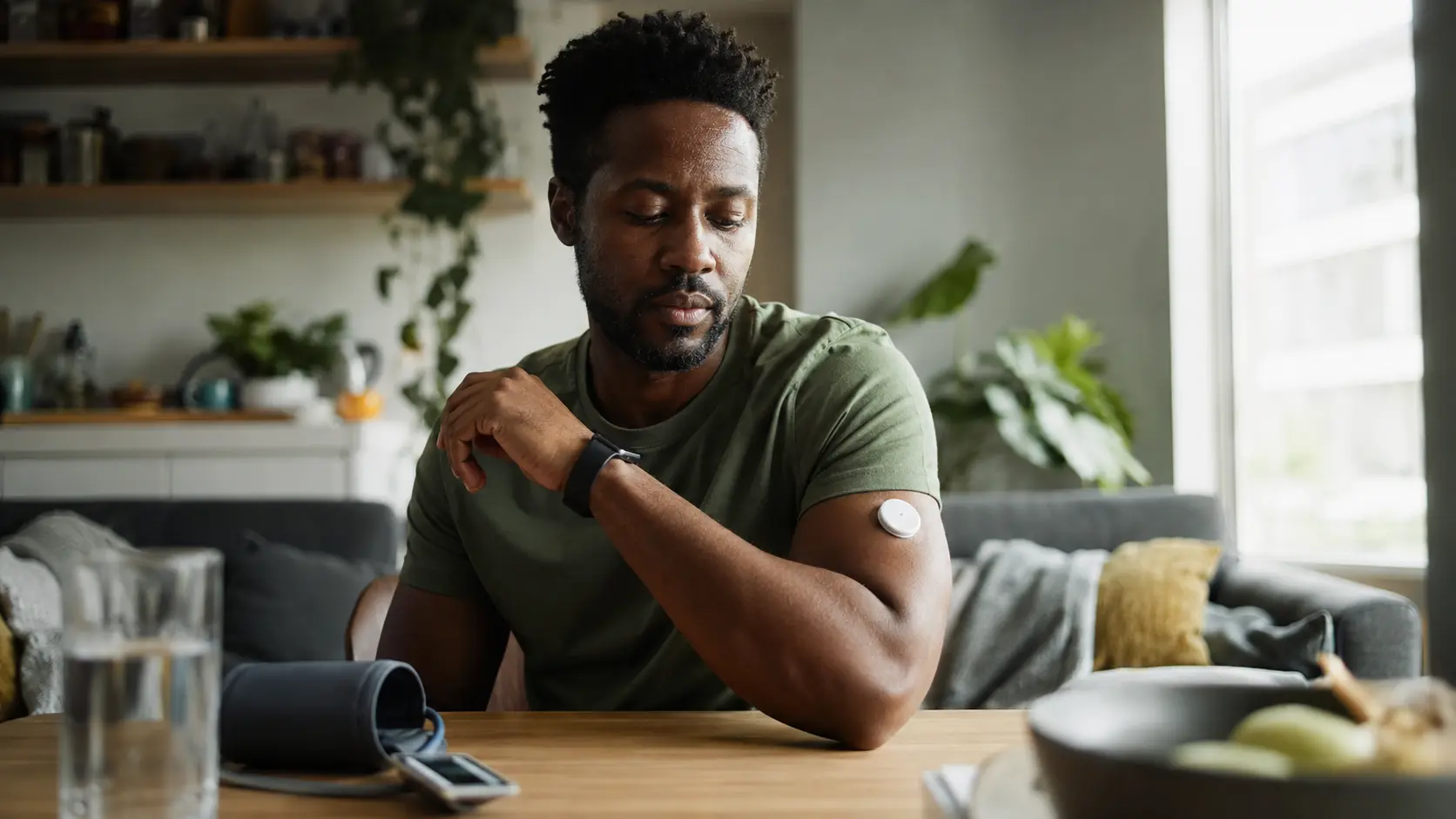
You’re juggling work, social life, and trying to stay healthy, but you have no idea what’s actually happening with your body between doctor visits, and that uncertainty is eating at you, so here’s the truth: connected health devices are the closest thing you have to a personal health coach living in your pocket.
Smart watches
Smart watches have evolved far beyond telling time. They sit on your wrist and quietly monitor what your body is doing throughout the day and night. For a young adult constantly moving between meetings, workouts, and late nights, a smart watch captures your heart rate patterns, tracks how many steps you actually take, and logs your sleep quality without you having to think about it. Imagine realizing you’re averaging only 5 hours of fragmented sleep because your watch shows you the data. Or discovering your resting heart rate has dropped 8 beats per minute after three months of consistent exercise. The real power is in the notifications: your watch alerts you to incoming calls and messages so you don’t have to pull your phone out constantly, and some models even detect irregular heart rhythms that warrant a doctor visit. The key mistake young adults make is ignoring the data once they get it. A watch is only useful if you actually review trends weekly and adjust your habits accordingly.
- Monitor your fitness goals in real-time
- Receive alerts for messages and calls
- Analyze your sleep patterns for better rest
Fitness trackers
Fitness trackers are built specifically for people who care about movement but don’t want to overthink it. Unlike smart watches, they focus almost entirely on activity and exercise data, which means less battery drain and more accurate step counting. Picture yourself starting a new routine: you commit to walking 10,000 steps daily, but you have no baseline. A fitness tracker shows you that you’re currently averaging 4,200 steps, which means you need to add a 30-minute walk to hit your goal. Over weeks, you watch that number climb as the habit sticks. Many trackers also include guided workouts through companion apps, offering you a structured plan when motivation dips. They measure calories burned during exercise, which helps you understand the actual energy cost of your activities. Common mistake: relying solely on step count without considering intensity. A 10,000-step leisurely walk is different from a 10,000-step brisk walk. The best trackers let you log different activity types so you capture the full picture of your fitness.
📘 Fix your day in under 2 minuteschoose where to begin:
Smart scales
Smart scales do something simple but powerful: they measure your weight and body composition, then sync that data to an app you check whenever you want. For young adults managing weight or building muscle, this is game-changing because you see trends instead of obsessing over daily fluctuations. Your weight varies 2-5 pounds daily based on water, food, and hormones, but a smart scale shows you the weekly trend line, which is what actually matters. Beyond weight, quality scales measure body fat percentage, muscle mass, bone density, and water weight, giving you insight into what’s actually changing in your body. Imagine starting a strength training program and seeing your weight stay the same while your muscle mass increases and body fat decreases. That’s the story a smart scale tells. Many models integrate with fitness apps to give you personalized recommendations based on your metrics. The mistake most people make is setting an unrealistic target weight without considering body composition. A young adult who gains 5 pounds of muscle while losing 3 pounds of fat is winning, even though the scale barely moved.
Blood pressure monitors
Young adults often think blood pressure monitoring is only for older people, but early detection of hypertension can prevent serious problems decades down the line. A connected blood pressure monitor is simple to use: you wrap the cuff around your arm, press a button, and get a reading in seconds. The device then sends that data to your smartphone, creating a log you can share with your doctor. Consider this scenario: you notice your blood pressure reading is consistently 135/85, which is elevated but not yet high blood pressure. You mention it to your doctor, who suggests lifestyle changes before medication. You start tracking weekly, adjust your salt intake, add more exercise, and three months later your readings are back to normal. That’s prevention in action. Some monitors also track irregular heartbeats and alert you if something seems off. The key advantage is convenience and consistency. People who monitor at home tend to catch problems earlier than those who only check at annual appointments. The common mistake is taking one high reading and panicking. Blood pressure fluctuates with stress, caffeine, and time of day, so consistent monitoring over weeks gives you the real picture.
Smart thermometers
Smart thermometers look like regular thermometers but add one crucial feature: they connect to your phone and log your temperature history. For young adults managing acute illness or tracking fevers, this is practical and reassuring. When you’re sick, you might take your temperature multiple times throughout the day to see if medication is working or if you need to call a doctor. A smart thermometer stores all those readings with timestamps, so you can show your doctor exactly how your fever progressed. Some models provide guidance on when to seek medical attention based on your age and symptoms, which removes guesswork when you’re feeling terrible and can’t think clearly. They’re also faster and more accurate than old mercury thermometers, giving you results in seconds. The real value emerges when you’re monitoring a fever over 24-48 hours: you see whether it’s trending down or staying stubborn, which tells you whether home care is working or if you need professional help. The mistake young adults make is not logging temperatures consistently, then forgetting the pattern by the time they call their doctor. A smart thermometer solves that by doing the logging for you automatically.
Connected health devices give young adults real-time visibility into their bodies and habits. Smart watches track daily activity and sleep, fitness trackers focus on movement and workouts, smart scales reveal body composition changes, blood pressure monitors catch cardiovascular issues early, and smart thermometers provide accurate fever tracking. The common thread: data only matters if you actually use it to make decisions. Pick devices that fit your specific health goals, not just the ones that seem cool. Your health is worth the investment in tools that help you understand what’s actually happening beneath the surface.
Are connected health devices secure for young adults?
Yes, most reputable brands prioritize data security to protect users’ privacy and information. It’s essential to choose devices from trusted manufacturers and keep software updated for the best protection.
Do connected health devices really make a difference for young adults?
Absolutely! Connected health devices provide valuable insights into your wellness, encourage healthy habits, and empower you to take control of your health journey.
Others also read:
Disclaimer: This article is for informational purposes only and is not a substitute for professional medical advice. Always consult a healthcare professional for personal guidance.
This guide has been prepared and reviewed by the GlobalHealthBeacon editorial team and reflects current medical research as of 2026. It provides structured, evidence-based information to support informed health decisions.
