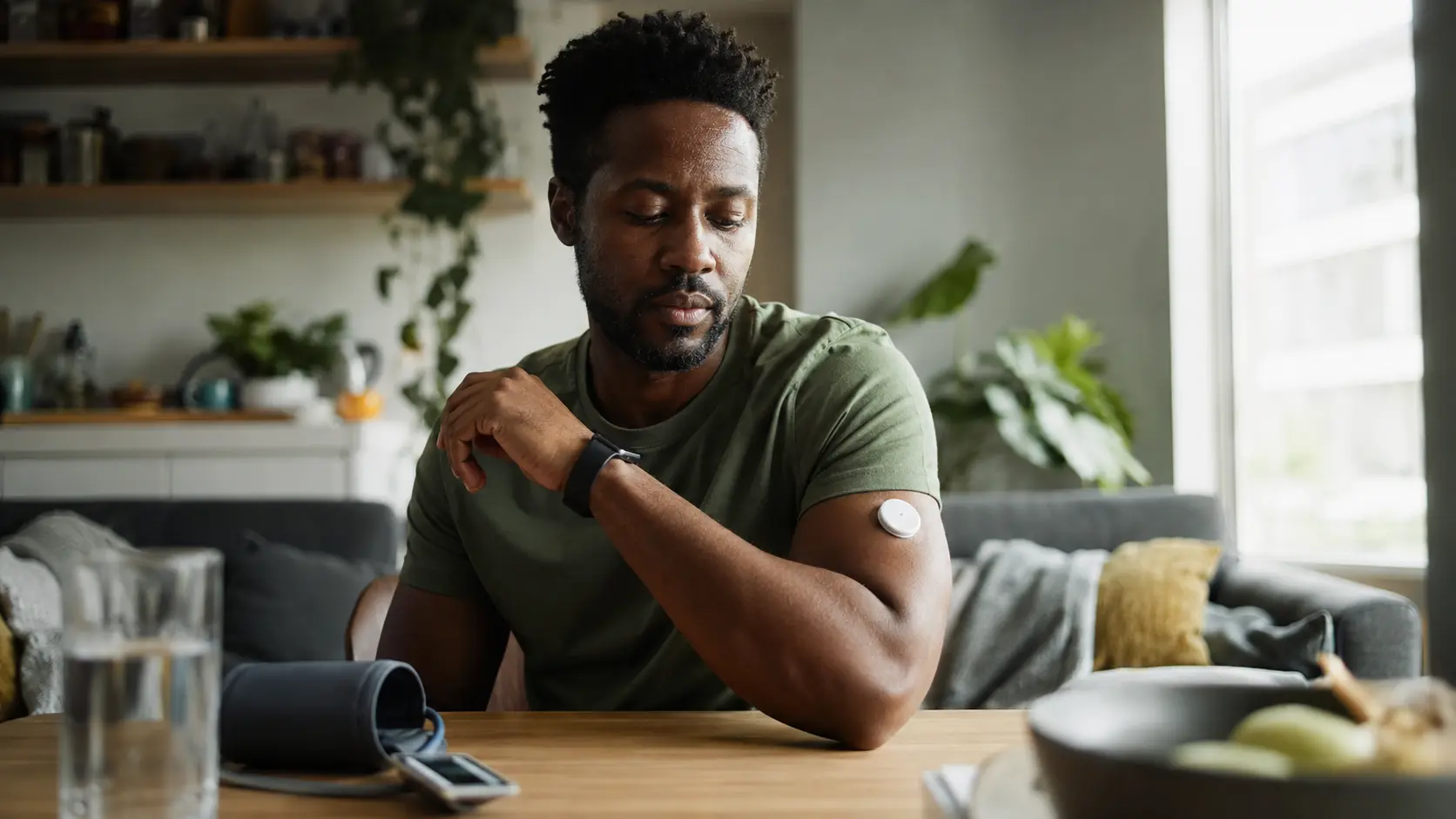
Watching your blood pressure spike at home without knowing what it means, or feeling like you’re drowning in health data you can’t interpret – connected health devices are changing how seniors actually stay on top of their health instead of just hoping for the best.
Understanding connected health devices
Connected health devices represent a significant shift in how health information flows between patients and their medical teams. These are electronic instruments designed to measure specific health parameters and automatically transmit that data to smartphones, tablets, or secure cloud platforms where you can review it anytime. Think of a smartwatch that tracks your heart rhythm throughout the day, or a blood pressure cuff that wirelessly sends readings to your doctor’s office. The technology works by using sensors to detect physiological signals, then converting that information into digital data. Common examples include wearable fitness trackers that monitor steps and sleep patterns, pulse oximeters that measure oxygen saturation, continuous glucose monitors for diabetes management, and smart scales that track weight trends. What makes these devices particularly valuable is that they eliminate the guesswork from health monitoring. Instead of relying on a single blood pressure reading taken during an annual checkup, you get a complete picture of your health patterns over weeks and months, revealing trends that might otherwise go unnoticed.
Benefits of using connected health devices
The practical advantages of connected health devices extend far beyond simple convenience. When you monitor your heart rate, blood pressure, or blood glucose regularly, you gain the ability to spot patterns that matter. For instance, you might notice that your blood pressure consistently rises on certain days or times, providing valuable clues about stress triggers or medication effectiveness. Early detection becomes possible because you’re collecting data continuously rather than waiting for scheduled appointments. This ongoing awareness empowers you to make lifestyle adjustments before small changes become serious health problems. Many seniors report feeling more in control of their health journey when they can see their own data improving over time. Additionally, when you share this information with your healthcare provider, they gain a much clearer picture of how you’re actually living day-to-day, not just how you present during a brief office visit. This leads to more personalized treatment plans and better conversations with your doctor about what’s really working for your health.
How to start using connected health devices
Beginning your journey with connected health devices doesn’t require becoming a technology expert. Start by identifying which health metrics matter most to you right now. Are you managing high blood pressure? Monitoring diabetes? Tracking weight changes? Once you know what you want to measure, research devices specifically designed for that purpose. Read reviews from other seniors who’ve used them, and don’t hesitate to ask your doctor which devices they recommend or can integrate with your medical records. When you purchase a device, set aside time to carefully read the manufacturer’s instructions without rushing. Many devices come with video tutorials or customer support hotlines specifically for setup help. Begin with one device rather than overwhelming yourself with multiple gadgets at once. Connect it to a smartphone or tablet using the provided app, which typically involves creating an account and following simple pairing steps. Start collecting data for a few days before you try to interpret it, giving yourself time to become comfortable with how the device works. Once you feel confident, begin reviewing your data regularly, perhaps daily or weekly depending on the device type.
- Identify which health metrics are most important for your specific health needs and goals
- Research connected health devices designed for those metrics and read reviews from other seniors
- Consult with your healthcare provider about device recommendations and compatibility with your medical records
- Purchase your chosen device and carefully review all manufacturer instructions and setup guides
- Set up the device and download the associated app, creating an account and pairing the device to your smartphone or tablet
- Allow yourself several days to become comfortable with the device before attempting to interpret the data
- Begin reviewing your health data regularly and establish a routine for monitoring and tracking
🔬 Science-backed benefits in 2 minuteschoose where to begin:
Key features of connected health devices
Modern connected health devices pack several powerful capabilities into relatively simple packages. Real-time data tracking means you see your measurements immediately after they’re taken, allowing you to notice changes as they happen. Customizable alerts can notify you when readings fall outside your target ranges, which is especially useful for managing conditions like diabetes or hypertension where staying within certain parameters matters. Many devices integrate directly with electronic health records, meaning your doctor can access your data without you having to manually report it during appointments. This seamless connection reduces errors and ensures your medical team has the most current information. Data security features use encryption to protect your sensitive health information as it travels between your device and the cloud. Some advanced devices offer trend analysis, showing you graphs and patterns over days or weeks rather than just individual readings. Sharing capabilities let you grant access to family members or caregivers who might want to monitor your health alongside you, creating an extra layer of support and accountability.
Challenges and considerations for seniors
While connected health devices offer genuine benefits, real obstacles exist that seniors commonly encounter. Technology literacy represents the biggest hurdle for many older adults who didn’t grow up with smartphones and apps. The process of downloading software, creating passwords, and troubleshooting connection problems can feel intimidating or frustrating. Data privacy concerns are legitimate too, as health information is sensitive and you want assurance that your data is protected. Device compatibility issues sometimes arise when your particular smartphone or tablet doesn’t work smoothly with a device you’ve chosen. Battery life, screen visibility, and the physical ease of using buttons or touchscreens matter more as fine motor skills change with age. Some devices require frequent calibration or produce inconsistent readings if not used exactly as instructed. The cost of devices and ongoing apps or subscriptions can add up. Most importantly, many seniors benefit from hands-on training and ongoing support rather than relying solely on written instructions. Having a family member, friend, or healthcare provider walk you through setup and regular use makes the experience far less stressful and more successful.
Future of connected health devices for seniors
The trajectory of connected health technology points toward increasingly sophisticated and user-friendly tools designed specifically with older adults in mind. Artificial intelligence is beginning to power devices that learn your personal baseline and alert you to subtle changes that might indicate emerging health problems before they become serious. Predictive analytics can analyze your data patterns to forecast potential health risks, giving you and your doctor time to intervene proactively. Wearable sensors are becoming smaller, more comfortable, and longer-lasting, meaning you’ll barely notice you’re wearing them while they continuously monitor your health. Voice-activated interfaces are replacing complicated touchscreens, allowing you to simply speak commands rather than navigate menus. Integration with smart home technology means your devices could eventually communicate with your home environment, adjusting lighting or temperature based on your health needs. Researchers are developing devices that require less frequent charging and provide more accurate readings with less calibration. The medical community is increasingly recognizing the value of this continuous data, meaning more insurance plans and healthcare systems will support and encourage device use. These advances suggest that connected health monitoring will become as routine and accessible for seniors as checking your mailbox.
Connected health devices empower seniors to take an active role in monitoring their health metrics and understanding their personal health patterns. These tools provide continuous data collection, customizable alerts, and secure communication channels with healthcare providers, creating a more complete picture of your health than traditional periodic checkups alone. While challenges like technology literacy and data privacy concerns exist, proper training and support can overcome these obstacles. The future promises even more sophisticated devices designed with seniors’ needs in mind, incorporating artificial intelligence and predictive analytics to catch health changes early. By understanding how these devices work and what they can realistically accomplish, seniors can make informed decisions about whether connected health monitoring fits their healthcare approach.
Are connected health devices easy to use for seniors?
Device ease-of-use varies significantly depending on the specific product and your comfort level with technology. Many manufacturers now design devices specifically for older adults, featuring larger buttons, simpler interfaces, and clear instructions. However, the initial setup process typically requires some technical steps like downloading apps and creating accounts. The good news is that most devices become much easier to use once you get past the initial setup phase. Many seniors find that having someone help with the first-time setup, whether a family member or healthcare provider, makes the experience far less stressful. Some devices offer phone support specifically for older users, and many communities have technology training programs designed for seniors.
Can connected health devices replace regular medical check-ups?
Connected health devices are powerful tools for ongoing monitoring but they cannot and should not replace regular medical check-ups with your healthcare provider. These devices excel at tracking specific measurements between appointments and alerting you to changes that warrant medical attention. However, a comprehensive medical evaluation involves physical examination, medical history discussion, and clinical judgment that only a qualified healthcare professional can provide. The real value comes from using connected devices alongside traditional care, giving your doctor more complete information about your daily health patterns. Think of them as a bridge that improves communication between you and your medical team rather than a replacement for professional medical care.
Others also read:
Disclaimer: This article is for informational purposes only and is not a substitute for professional medical advice. Always consult a healthcare professional for personal guidance.
This article has been prepared and reviewed by the GlobalHealthBeacon editorial team and is based on current medical research and published scientific literature available in 2026. It provides structured, evidence-based information to support informed health decisions.
