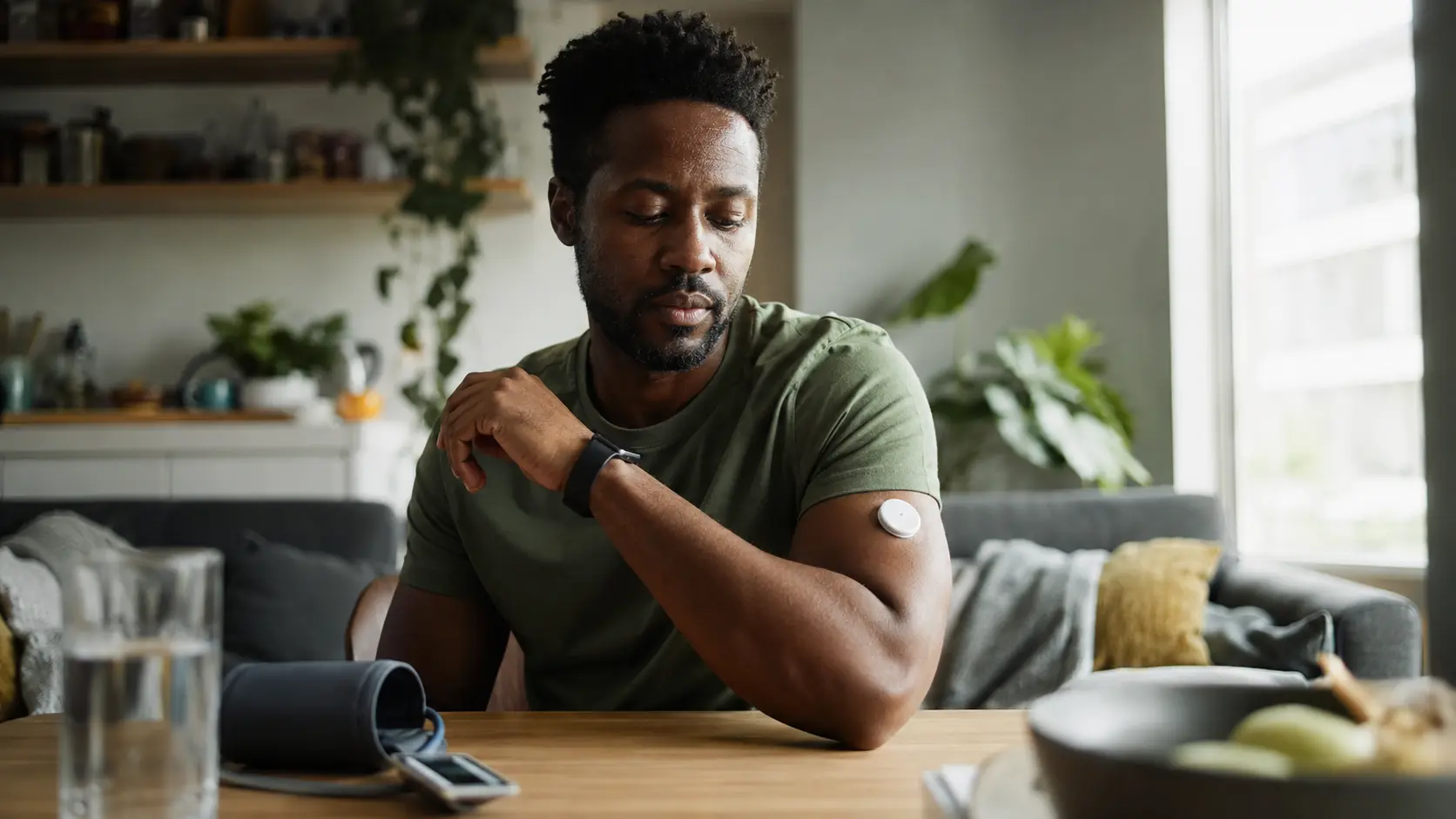
You’re juggling work, family, and your own health, but you have no idea if you’re actually taking care of yourself or just going through the motions, and connected health devices promise to fix that but which ones actually deliver instead of collecting dust in a drawer.
Smart wearables: the future of health tracking
Smart wearables like fitness trackers and smartwatches have fundamentally changed how women approach health monitoring. Imagine starting your day with a device that knows your sleep quality from last night, alerts you when stress levels spike during a tense meeting, and reminds you to move when you have been sitting too long. These devices track steps, heart rate, sleep patterns, and stress levels in real time. Consider Sarah, a busy professional who discovered through her smartwatch that her irregular sleep was directly linked to afternoon energy crashes. By using the sleep insights, she adjusted her evening routine and within two weeks felt noticeably more energized. The key advantage is that wearables provide continuous data collection without extra effort, giving you a complete picture of your daily habits. Many devices sync with apps that show trends over weeks and months, helping you spot patterns you might otherwise miss. Common mistakes include ignoring the data once collected or setting unrealistic daily goals that lead to frustration rather than motivation.
- Stay motivated with personalized fitness goals
- Monitor your heart rate during workouts for optimal performance
- Receive notifications for texts, calls, and reminders on the go
Smart scales: beyond just weight
Traditional scales only tell part of the story, but smart scales reveal what is actually happening inside your body. These devices measure body composition, track muscle mass, fat percentage, and bone density, giving you insights that weight alone cannot provide. Picture this: you start a new fitness routine and the scale shows no change after two weeks, which feels discouraging. But your smart scale reveals you have gained two pounds of muscle while losing three pounds of fat, meaning your efforts are working even though the number stayed the same. This distinction matters enormously for motivation and understanding your actual progress. Smart scales also track trends over time, so you can see if your muscle mass is increasing with strength training or if your body composition is shifting as intended. Many women find this data empowering because it moves beyond the emotional relationship with a single number. The devices typically sync with apps that provide monthly reports and comparisons. One important tip: weigh yourself at the same time each day for consistency, as body weight fluctuates throughout the day based on hydration and meals.
📘 Fix your day in under 2 minuteschoose where to begin:
Smart thermometers: accurate temperature monitoring
When illness strikes, knowing your exact temperature and tracking how it changes over time can be the difference between managing at home and needing medical attention. Smart thermometers provide precise readings and automatically log them in an app, creating a temperature history you can share with your doctor. Think about the last time you were sick and had to remember whether your fever was 101 or 102 degrees, or when it peaked. Smart thermometers eliminate guesswork by storing every reading with timestamps. Some models send alerts if your temperature exceeds a set threshold, which is especially valuable if you are caring for children or elderly parents alongside managing your own health. The devices also remind you when it is time to take medication based on dosing intervals, reducing the mental load of tracking multiple medications during illness. Many smart thermometers work in seconds and connect to your phone, so you have instant access to your temperature history without digging through notebooks or trying to remember. This is particularly helpful during flu season or when dealing with recurring fevers that need medical documentation.
Smart water bottles: hydration tracking made easy
Dehydration affects everything from your energy levels and mental clarity to your skin health and workout performance, yet most women do not drink enough water throughout the day. Smart water bottles solve this by tracking your intake and sending reminders when you fall behind on your hydration goals. Imagine having a device that knows you typically drink 60 ounces by 3 PM and alerts you when you are only at 30 ounces, prompting you to catch up. These bottles often have light indicators that gently remind you to drink without being intrusive, and they sync with fitness apps to correlate hydration with energy levels and workout recovery. Many women discover through tracking that increasing water intake improves their afternoon focus and reduces headaches they thought were inevitable. The bottles come in various sizes and styles, so you can choose one that fits your lifestyle, whether you are at a desk, in meetings, or constantly moving. A practical strategy is to set specific hydration goals tied to times of day rather than just a total number, making it easier to stay on track. Some smart bottles even track electrolyte balance if you add supplements, which matters for intense workouts or hot weather.
Smart blood pressure monitors: stay informed, stay healthy
Blood pressure monitoring is crucial for cardiovascular health, yet many women only check it at doctor visits and miss the bigger picture of how their numbers fluctuate. Smart blood pressure monitors give you control by providing accurate readings at home and tracking trends over weeks and months. Consider a woman who noticed her blood pressure was consistently elevated in the mornings but normalized by evening, information her doctor would never have caught during a single office visit. With this data, she and her doctor adjusted her medication timing with significant results. Smart monitors store readings with timestamps and often sync to apps that display trends, patterns, and averages. This historical data is invaluable during doctor appointments because you can show your healthcare provider exactly how your blood pressure responds to stress, sleep, exercise, and diet changes. Many devices include features that flag unusual readings or alert you if numbers exceed safe ranges. A key tip is to take readings at the same time each day in a calm state, as anxiety and activity can temporarily elevate numbers. Having this personal health record empowers you to be an active partner in managing your cardiovascular health rather than passively waiting for annual checkups.
Connected health devices like smart wearables, scales, thermometers, water bottles, and blood pressure monitors offer women valuable insights into their health and well-being. With features like personalized fitness goals, body composition analysis, temperature monitoring, hydration tracking, and blood pressure monitoring, these devices empower women to make informed decisions for their health.
How do smart wearables benefit women’s health?
Smart wearables help women track their fitness levels, monitor their heart rate, improve sleep patterns, and manage stress effectively. These devices provide holistic insights into women’s overall health and well-being.
Are smart scales worth investing in for women?
Smart scales offer women more than just weight measurements by analyzing body composition, muscle mass, fat percentage, and bone density. They provide a comprehensive view of health beyond traditional weight tracking.
Others also read:
Disclaimer: This article is for informational purposes only and is not a substitute for professional medical advice. Always consult a healthcare professional for personal guidance.
This guide has been prepared and reviewed by the GlobalHealthBeacon editorial team and reflects current medical research as of 2026. It provides structured, evidence-based information to support informed health decisions.
