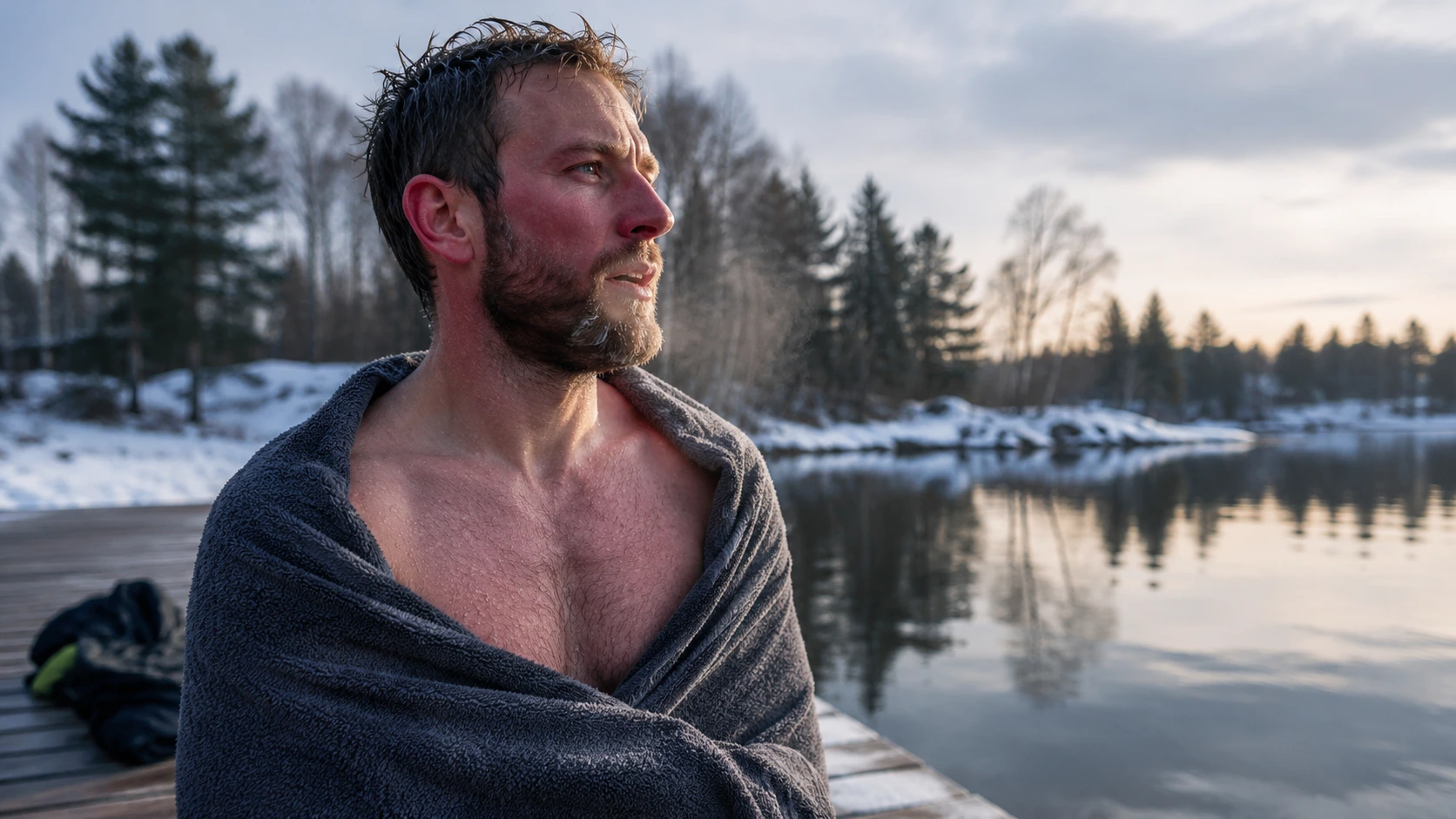
You feel sluggish, your metabolism seems stuck, and you’re wondering if there’s actually something you can do about it without overhauling your entire life, and that’s where understanding cold exposure health effects becomes a game-changer for how your body actually works.
The science of cold exposure
When your body encounters cold temperatures, something remarkable happens at the cellular level. Your system kicks into a process called thermogenesis, essentially your internal furnace firing up to maintain that crucial 37-degree core temperature. This isn’t just about shivering either. Cold exposure activates brown adipose tissue, sometimes called brown fat, which is metabolically active and burns calories specifically to generate heat. Imagine your body as a heating system with two types of fuel: white fat stores energy for later, while brown fat burns energy right now. Young adults who expose themselves to cold, even moderately through cold showers or outdoor activities in winter, can stimulate this brown fat activation. Research shows that regular cold exposure can increase brown fat volume over time, meaning your body develops more of this calorie-burning tissue. This process happens gradually, which is why consistency matters more than intensity when you’re starting out.
Contrasting effects on metabolism
Cold exposure creates a fascinating metabolic tug-of-war in your body. On one hand, it stimulates adiponectin production, a hormone that helps regulate blood sugar levels and supports the breakdown of fatty acids. This sounds beneficial, and in controlled doses it can be. However, there’s a counterbalance you need to understand. Your body interprets prolonged cold as a survival signal, triggering increased appetite as it tries to replenish energy stores burned during thermogenesis. Think of it like this: a young adult who takes a quick cold shower experiences metabolic stimulation without the hunger spike. But someone who spends hours in cold conditions might find themselves ravenous afterward, potentially consuming more calories than they burned. The key distinction is duration and intensity. Short, regular cold exposures can support metabolic health, while extended cold stress can backfire by driving overeating. This is why understanding your individual response matters more than following a generic protocol.
Regulating cold exposure safely
Safety with cold exposure comes down to smart progression and listening to your body’s signals. Start by gradually lowering water temperature during showers over several weeks, rather than jumping into ice baths. Your nervous system needs time to adapt, and rushing this process can trigger excessive stress responses. Layering clothing is non-negotiable when you’re outside in cold weather. The principle works like this: your innermost layer should wick moisture away from skin, the middle layer traps warm air, and your outer layer blocks wind and precipitation. This creates insulation pockets that protect you far better than one thick jacket. Common mistakes include removing layers too quickly once you start moving, which causes rapid heat loss, or staying in cold too long thinking toughness equals results. Young adults often underestimate how much their extremities need protection. Fingers, toes, ears, and nose have less muscle mass and lose heat fastest, so prioritize covering these areas. The goal is controlled exposure that challenges your system without triggering dangerous drops in core temperature.
- Acclimatize gradually to cold temperatures over weeks, not days.
- Dress in layers with moisture-wicking base, insulating middle, and wind-blocking outer layer.
- Avoid prolonged exposure to extreme cold to prevent circulation stress and skin damage.
- Monitor your body for warning signs like uncontrollable shivering or numbness.
- Warm up gradually after cold exposure rather than using extreme heat.
🔬 Science-backed benefits in 2 minuteschoose where to begin:
Immune system boost
The relationship between cold exposure and immune function has intrigued researchers for years. When you expose your body to cold, it responds by increasing production of cytokines and white blood cells, essentially mobilizing your immune defenses. This acute stress response, if managed properly, can strengthen your immune system over time. Think of it as training wheels for your immunity. A young adult who regularly experiences mild cold stress might develop a more robust response to actual infections. However, the timing and intensity matter enormously. Short, controlled cold exposure appears to enhance immune markers, while chronic cold stress without recovery actually suppresses immunity. Studies show that people who practice regular cold exposure report fewer upper respiratory infections during winter months, though the effect size is modest. This isn’t a cure-all, and it works best alongside sleep, nutrition, and stress management. The mechanism involves your sympathetic nervous system activation, which temporarily increases immune cell circulation. The key is consistency and moderation, allowing your body to adapt rather than constantly shocking it.
Mental health benefits
Cold exposure triggers a cascade of neurochemical changes that affect your mental state. Your body releases norepinephrine, a neurotransmitter that sharpens focus, improves mood, and enhances cognitive function. Young adults often describe a mental clarity that follows cold exposure, almost like their brain fog lifts. Beyond norepinephrine, cold exposure activates your parasympathetic nervous system during recovery, creating a calming effect afterward. This creates a unique pattern: initial stress followed by deep relaxation. Over time, regular cold exposure can build stress resilience, meaning your nervous system becomes better at handling pressure generally. Some research suggests cold exposure may help with mood regulation and even show promise for depression symptoms, though this requires proper medical supervision. The mental toughness component shouldn’t be overlooked either. Voluntarily facing discomfort builds psychological confidence that transfers to other life challenges. However, if you have anxiety disorders or trauma history, cold exposure needs careful introduction or professional guidance, as it can trigger unwanted stress responses in sensitive individuals.
Enhancing athletic performance
Athletes have used cold exposure for decades, and the science increasingly explains why. Cold water immersion and cold exposure reduce inflammation in muscles and joints after intense training, potentially speeding recovery. Young adult athletes report faster return to training and reduced soreness when incorporating cold exposure strategically. The mechanism involves vasoconstriction, where blood vessels narrow during cold exposure, then dilate aggressively during rewarming, flushing metabolic waste from tissues. This contrast effect improves circulation and nutrient delivery. Cold exposure also enhances endurance by training your body’s thermoregulation systems to work more efficiently. However, timing is critical. Cold exposure immediately after strength training can interfere with muscle protein synthesis, so athletes typically use it after endurance work or on recovery days. The performance boost isn’t automatic or dramatic, but rather a marginal gain that compounds over seasons. Young adults new to athletic training should understand that cold exposure is a supplement to, not a replacement for, proper nutrition, sleep, and periodized training. Overusing cold exposure can actually impair adaptation and increase injury risk.
Cold exposure health effects represent a complex interplay of metabolic, immune, neurological, and performance factors that young adults can leverage strategically. From activating brown fat and supporting glucose regulation to enhancing mental resilience and accelerating athletic recovery, cold exposure offers measurable physiological changes. The science shows that moderate, consistent cold exposure works better than extreme approaches, and individual variation means what works for one person might not suit another. Understanding these mechanisms helps you make informed decisions about whether and how to incorporate cold exposure into your routine, always prioritizing safety and listening to your body’s signals.
Is cold exposure safe for everyone?
Cold exposure can be safe for most healthy individuals when practiced gradually and in moderation. However, people with cardiovascular conditions, high blood pressure, Raynaud’s syndrome, or compromised immune systems should consult a healthcare provider before engaging in cold exposure activities. Pregnant individuals and those with certain mental health conditions also benefit from professional guidance. Age matters less than overall health status, though older adults may need slower acclimatization.
Can cold exposure help with weight loss?
Cold exposure may support weight management by stimulating brown adipose tissue to burn calories and improving metabolic markers like adiponectin levels. However, the calorie burn from cold exposure alone is modest, typically 50-100 calories per session at most. It works best as part of a comprehensive approach including balanced nutrition, regular exercise, and adequate sleep. Relying solely on cold exposure for weight loss is ineffective, but combining it with other healthy habits can provide marginal benefits.
Others also read:
Disclaimer: This article is for informational purposes only and is not a substitute for professional medical advice. Always consult a healthcare professional for personal guidance.
This article has been prepared and reviewed by the GlobalHealthBeacon editorial team and is based on current medical research and published scientific literature available in 2026. It provides structured, evidence-based information to support informed health decisions.
